ENG 151 · LECTURE 05 · READING BOOKLET
Ottoman science and education
People, practical knowledge and the institutions that allow inquiry to continue.
Read continuously or use the contents. Select any image to view it at full size.
1. Printing and the circulation of knowledge
Imagine that an important book exists, but only a small number of people can obtain a copy. A teacher may know it, a library may own it, and a manuscript copy may circulate among a few readers. That is very different from a situation in which many students can work from the same text, compare an argument, and carry it into another classroom. The printing press changes the possible scale of this activity. Yet a press does not create that whole world by itself.
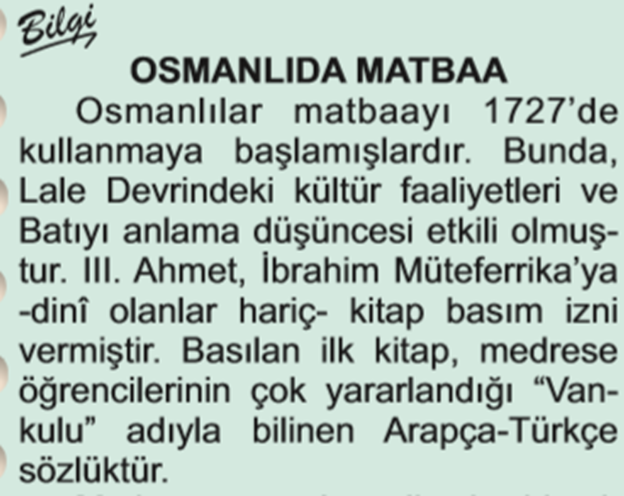
The contrast between Gutenberg’s fifteenth-century printing and Müteferrika’s Ottoman Turkish press in 1727 is striking. A long interval separates the two. Müteferrika’s first printed book, the Vankulu dictionary, appeared in 1729. Earlier presses served other communities within the empire; the development of an Ottoman Turkish printed scholarly culture followed its own path. The question is how knowledge could reach a wider readership, and how much opportunity was lost while that readership and its institutions developed slowly.
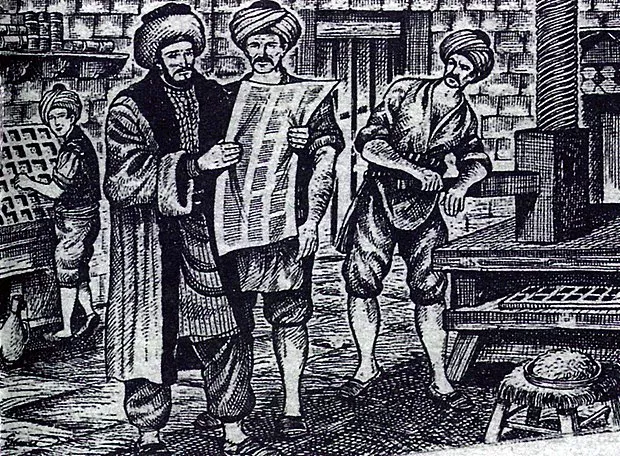
Look at the people around the machinery. Printing depends on skilled work, supplies, financing and coordination. A printed book also needs someone who wishes to read it and has the ability to do so. Education, translation, publishing and distribution therefore belong in the same story. Political permission can allow a project to begin; sustained support helps it survive. Throughout this lecture, we will encounter talented people whose achievements depended on conditions they could not create alone.
Further reading: Ministry of Culture: printing.
2. Ottoman sultans: learning, patronage and reform
The names of sultans provide a useful chronological frame for the institutions in this lecture. The following selection begins with Fatih Sultan Mehmed and follows major developments in learning, medicine, engineering and education. The dates beside each ruler are reign dates; the dated examples identify particular developments within those reigns.
Fatih Sultan Mehmed (1444–46; 1451–81). Sahn-ı Seman medreses; patronage of Ali Kuşçu and mathematical learning.
Bayezid II (1481–1512). Edirne hospital and medical teaching complex (1488).
Süleyman I (Kanuni) (1520–1566). Süleymaniye: endowed teaching, medicine and hospital care.
Murad III (1574–1595). Taqi al-Din’s Istanbul observatory (1577–1580): support, then closure.
Ahmed III (1703–1730). Lale Devri (1718–1730): translation, diplomacy and Müteferrika’s press (1727).
Mustafa III (1757–1774). Naval engineering education: the 1773 foundation in İTÜ’s institutional history.
Selim III (1789–1807). Nizam-ı Cedid reforms; land engineering school (1795).
Mahmud II (1808–1839). Janissaries abolished (1826); medical school (1827), military academy (1834).
Abdülmecid I (1839–1861). Tanzimat (1839); teacher training and new educational institutions.
Abdülaziz (1861–1876). Galatasaray (1868); public education regulation (1869); vocational schools.
Abdülhamid II (1876–1909). Expansion of schools, telegraph and railways; Darülfünun reopened (1900).
During Ahmed III’s reign, the period known as Lale Devri—the Tulip Era—ran from 1718 to 1730. Grand vizier Nevşehirli Damat İbrahim Paşa supported diplomatic exchange, translation and cultural activity. Yirmisekiz Çelebi Mehmed Efendi’s embassy to France brought observations of European life and institutions back to Istanbul. Mehmed Said Efendi and İbrahim Müteferrika helped establish the press in 1727. These initiatives connected political support with the circulation of knowledge.
Mahmud II’s reforms changed the machinery of the state. The abolition of the Janissaries in 1826 was followed by new arrangements for military training; medicine and officer education became important settings for institutional change. Administrative reorganization accompanied these developments. The later Tanzimat reforms continued under Abdülmecid, with figures such as Mustafa Reşid Paşa playing central roles. A decree could establish a school, but teachers, books, funding and sustained work determined what that school could achieve.
This chronology also brings us to the world of Mecmûa-i Fünûn, which began publication in 1862 during Abdülaziz’s reign. Its scientific society and contributors widened access to knowledge beyond an individual classroom. Under Abdülhamid II, educational and communications networks expanded, while censorship constrained public discussion. Institutional growth and intellectual freedom therefore need to be considered together.
Further reading: TDV: Lale Devri; TDV: Mahmud II; Trakya University: Bayezid II health complex; TDV: hospitals; İTÜ: engineering education; TDV: Abdülmecid; TDV: Abdülaziz; TDV: Abdülhamid II; Kara Harp Okulu: history; Istanbul University: history.
3. Fifteenth–sixteenth centuries: institutions and people
The Ottoman Empire contained many settings in which useful knowledge was produced and transmitted. A court physician, a navigator, a teacher and a cannon founder did not work in the same way or for the same audience. Their activities nevertheless depended on social arrangements: an appointment, a workshop, an endowed institution, a library or a body of customers. Asking where knowledge was supported helps us understand both its achievements and its limits.
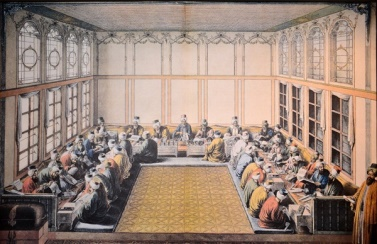
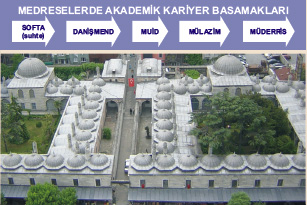
Medreses offered structured scholarly education through teachers and texts. An icazet expressed the authority of a qualified teacher to recognize a student’s learning. It should not be confused with a modern university diploma organized around standardized departments and credit hours. The teaching relationship mattered, but so did the institutions and resources that made teaching possible. Mathematics and astronomy could exist alongside subjects associated with religious and legal scholarship.
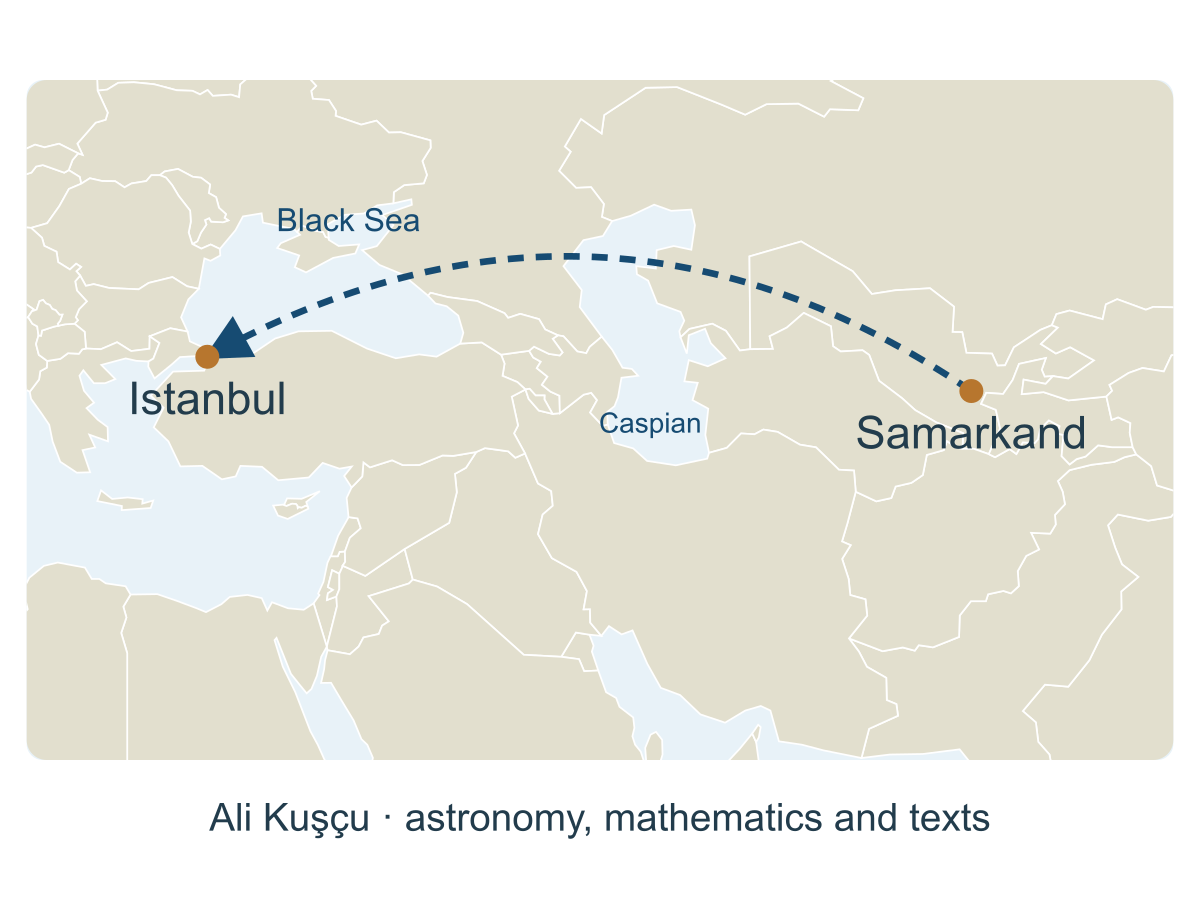
Ali Kuşçu connects this world with the Samarkand tradition encountered earlier. His work in Istanbul under Mehmed II shows how a ruler’s decision to welcome a scholar could strengthen an intellectual community. Knowledge did not simply move as a finished object in a box. People brought habits of calculation, ways of teaching and connections with other scholars. The effect of patronage therefore extended beyond the individual appointment, although its continuation still required people able to teach and develop the work.
The usual image of an Islamic “Golden Age” ending in the thirteenth century can obscure later activity. Ottoman, Persian and Mughal settings continued to support mathematics, astronomy and medicine. Their histories do not all share a single turning point. Across the Ottoman Empire’s long existence, different fields and regions developed at different rates; an account of decline needs to explain which activity, institution and period it means.
Medreses developed within an institutional tradition already established under the Seljuks. They formed a substantial network of learning, with important foundations at Bursa, Edirne and Istanbul. A scholar’s authority also depended on a chain of teachers: an icazet recognized learning received from a particular master and could authorize the recipient to teach. The permission mattered because it connected the next generation to a recognized scholarly tradition. This personal authorization and an endowed institution were complementary parts of the educational setting.
Further reading: TDV: Ali Kuşçu; University of Texas Press: Science among the Ottomans.
Visual sources: islamansiklopedisi.org.tr.
4. Artillery, craft and organization
A large bronze cannon makes technical power visible. It also hides a great deal of work. Someone must obtain the metal, make a mold, control the casting, transport the finished barrel and supply ammunition. The ruler who commissions it needs craftspeople, money and an organization that can bring these activities together. The siege of Constantinople in 1453 is therefore a story of mobilized expertise as well as destructive force.
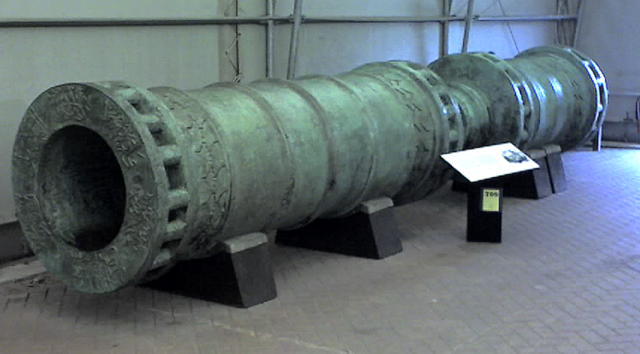
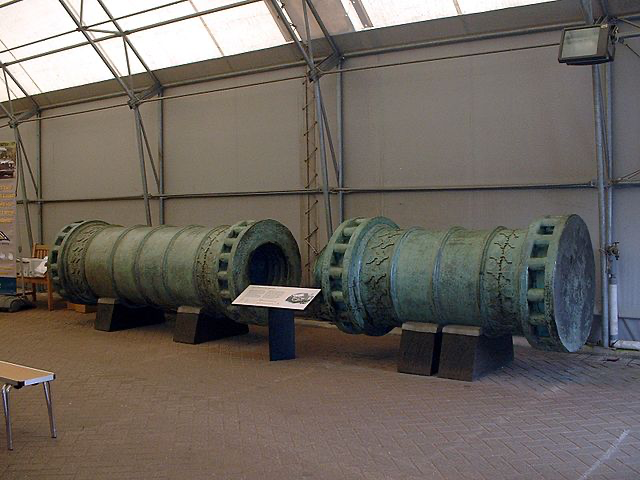
The Dardanelles gun dated 1464 makes the physical problem easier to imagine. Its two-part construction is significant because an object of this scale is difficult to manufacture, handle and service. A cannon’s dimensions alone do not tell us how effective it will be. Its position, rate of loading, supply of projectiles and coordination with other forces all matter. Technical capability is partly the ability to keep the whole system functioning.
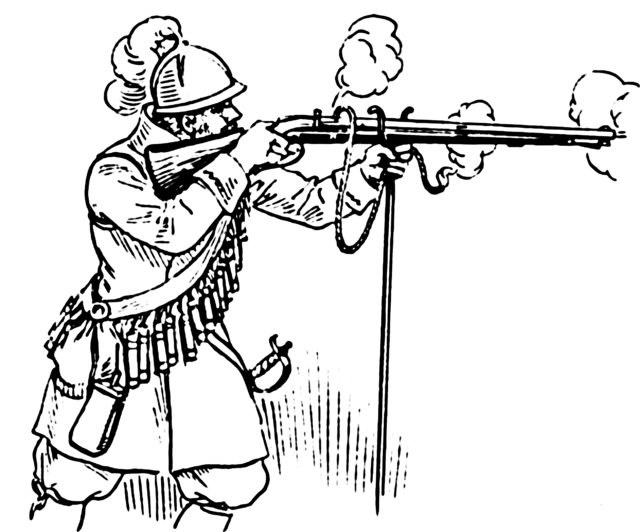
Portable firearms posed a related problem on a different scale. A weapon carried by one soldier still required standardized supplies, maintenance and training. The circulation of weapons and experts reminds us that technical exchange was not unusual or confined to peaceful relations. States learned from rivals, hired specialists and adapted equipment to their needs. The harder question is how such exchanges became a lasting local ability to improve designs.
Orban, the cannon founder associated with the 1453 siege, illustrates how rulers competed for specialized skill. Accounts describe his earlier approach to the Byzantine court and his subsequent employment by Mehmed II. The Ottoman artillery effort also depended on other founders and engineers. Large siege weapons required a ruler who could pay for materials and labor, then organize transport to the walls and continued supplies during the siege.
The harquebus, also spelled arquebus, was a shoulder-fired firearm often associated with a matchlock: a slow-burning match was brought to the priming powder to ignite the charge. Its name is connected with the idea of a “hook gun.” Stocks, ignition mechanisms and barrel-making changed over time. A musket generally used a smooth bore; a rifle uses grooves in the bore to impart spin. These terms describe changing families of weapons rather than one invention simply replacing every earlier form at a single date.
Ottoman weapons also became objects of interest farther east. Zhao Shizhen’s late-sixteenth-century writings discussed Turkish firearms, and the Chinese military compilation Wubei zhi, published in 1621, recorded foreign military technologies. Such examples widen the story of exchange beyond a simple movement from western Europe toward the Ottoman Empire. Descriptions of mechanisms, workshop knowledge and military organization could circulate in several directions.
5. Medicine, pictures and organized care
Medical knowledge depended on both explanation and practice. In Sabuncuoğlu’s illustrated surgical work, completed in 1465, the reader can see instruments and people carrying out procedures. A picture can communicate the position of a hand or an instrument more directly than a long description. The work belonged to a continuing surgical tradition, including al-Zahrawi, while presenting it in Turkish and adding the author’s experience. It is a useful example of adaptation as intellectual work.
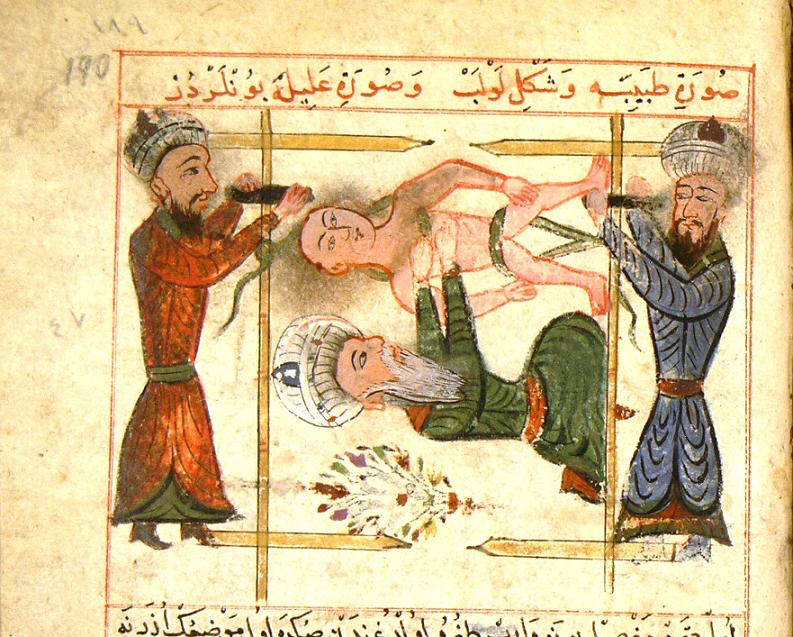
Hospitals also made medical activity possible by organizing care. Buildings needed upkeep, patients needed food, and staff needed a reliable income. Vakıf arrangements could dedicate resources to these continuing obligations. Gardens, water and the physical environment belonged to an understanding of patient well-being that included more than an isolated bodily symptom. These practices should be understood historically; their presence does not by itself establish the effectiveness of every treatment.
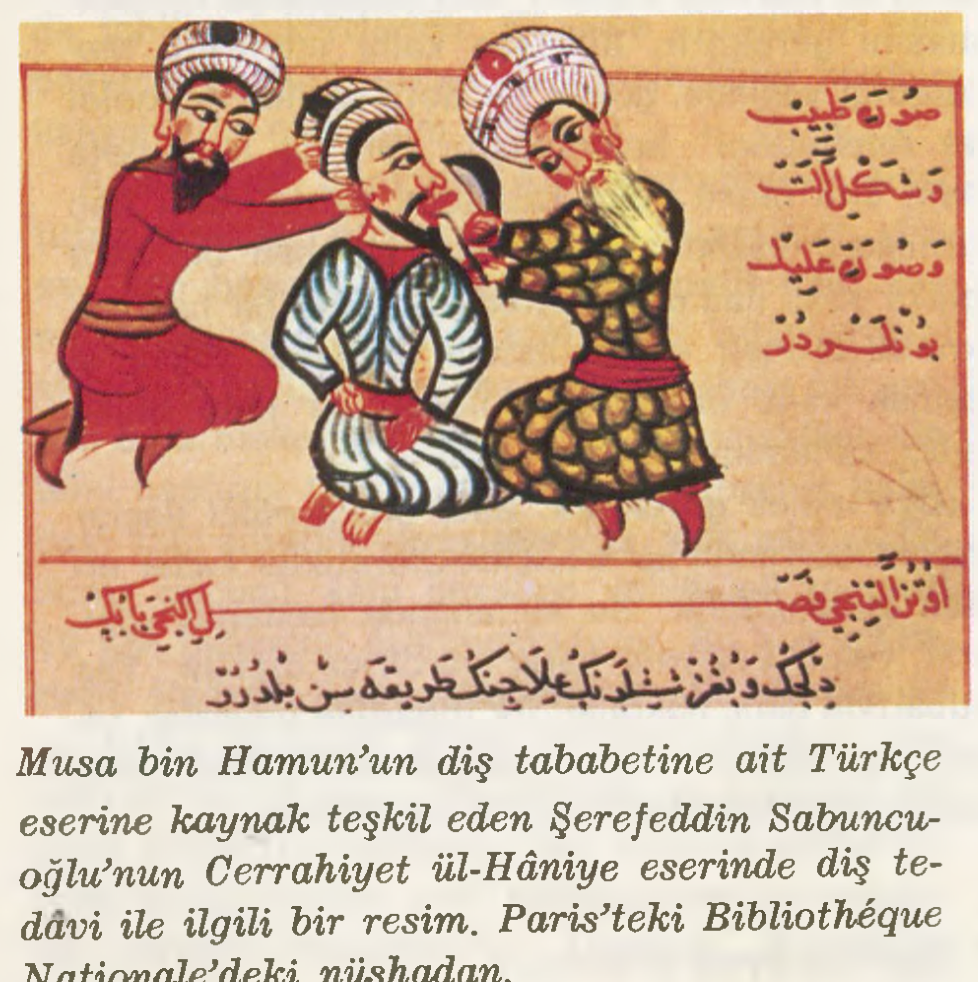
Medicine was not confined to a single community. Physicians read and translated across languages and worked in settings ranging from households to court service. Musa ibn Hamun’s association with dental writing provides one example. Translation required choices about terms, substances and procedures. The result was not necessarily a literal copy: a practitioner had to make another text useful in a different setting. At the same time, inherited theories could remain influential even when particular observations or remedies changed.
Treatment took place in homes, markets and hospitals, not only in a formally organized institution. Humoral explanations related illness to the balance of bodily qualities and fluids. Preventive advice, remedies and practices associated with religious traditions could coexist with this framework. The same patient might encounter several kinds of practitioner and explanation.
The names dârüşşifâ, dârüssıhhâ, şifâhâne, bîmaristân, bîmarhâne and timarhâne belong to this history of care, although their meanings and uses varied with place and period. Endowments could support food, staff and maintenance as well as treatment. Gardens, architecture, running water and bathhouses helped shape an environment intended to support bodily and mental well-being. Bathing was also understood through contemporary ideas about bodily balance.
Sabuncuoğlu’s writings extended beyond the illustrated Cerrahiyyetü’l-Hâniyye to the Mücerrebnâme, a work concerned with tested remedies and experience. His surgical illustrations include women practitioners as well as instruments and procedures. The relationship to al-Zahrawi’s al-Tasrif is important: inherited material was translated, reorganized and supplemented through the author’s own medical experience.
Mûsâ ibn Hamun’s dental writing is another example of specialized knowledge. His Risâle fî Tabâyi’l-Edviye ve İsti’mâlihâ dealt with the properties and use of medicines. Hebrew, Arabic, Greek and European learning could meet within the work of a physician who moved between languages. This makes medical translation a history of people and professional networks as well as books.
Further reading: TDV: Sabuncuoğlu.
6. Navigation and geographical knowledge
Piri Reis’s 1513 world map and his Kitâb-ı Bahriye should be considered as related but distinct works. The surviving map fragment records an attempt to bring information about a widening world together. Kitâb-ı Bahriye concentrates on Mediterranean navigation, with descriptions and charts useful to people moving along coasts and between ports. Both reveal the value of collecting information from more than one source.
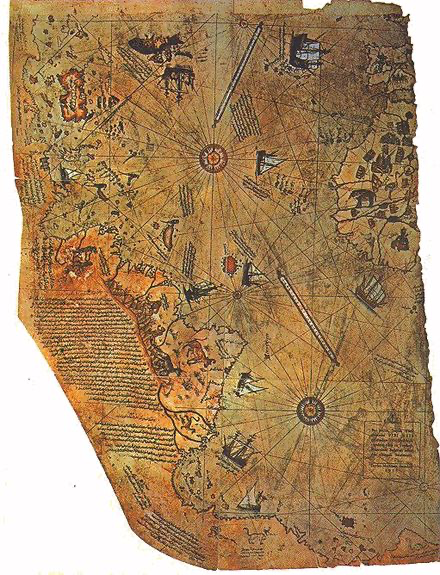
For a navigator, an attractive map is not enough. The coastline must be recognizable, the location of a harbor must make sense, and the written guidance must help a ship avoid danger. Practical experience and accumulated reports meet on the page. This makes navigation a good example of the relationship between knowledge and use: a map organizes information, but its worth is tested when someone tries to travel with it.
The same relationship appears in modern technical work. A specification or model is useful because it guides action, yet action can expose its limits. We should therefore ask how a community records experience and corrects its shared materials. A single remarkable map demonstrates skill; continuing revision requires people, channels of communication and support.
The surviving 1513 map includes parts of the Atlantic world and the Americas, bringing together information from different cartographic sources. It is a fragment of a world map, rather than the whole Kitâb-ı Bahriye. Its modern rediscovery came in 1929 during work on the Topkapı Palace collections associated with Gustav Adolf Deissmann. The map’s later fame should not overshadow the detailed descriptions of Mediterranean ports, coastal features and navigation in Piri Reis’s nautical work.
Further reading: Piri Reis University: Piri Reis.
7. Observation and the fragility of institutions
An observatory is more than a collection of impressive instruments. It is a place where people can make repeated observations under conditions that allow comparison. Timekeeping, angle measurement, calculation and record keeping have to work together. Taqi al-Din’s Istanbul observatory brought these activities into an ambitious institutional project in the late sixteenth century.
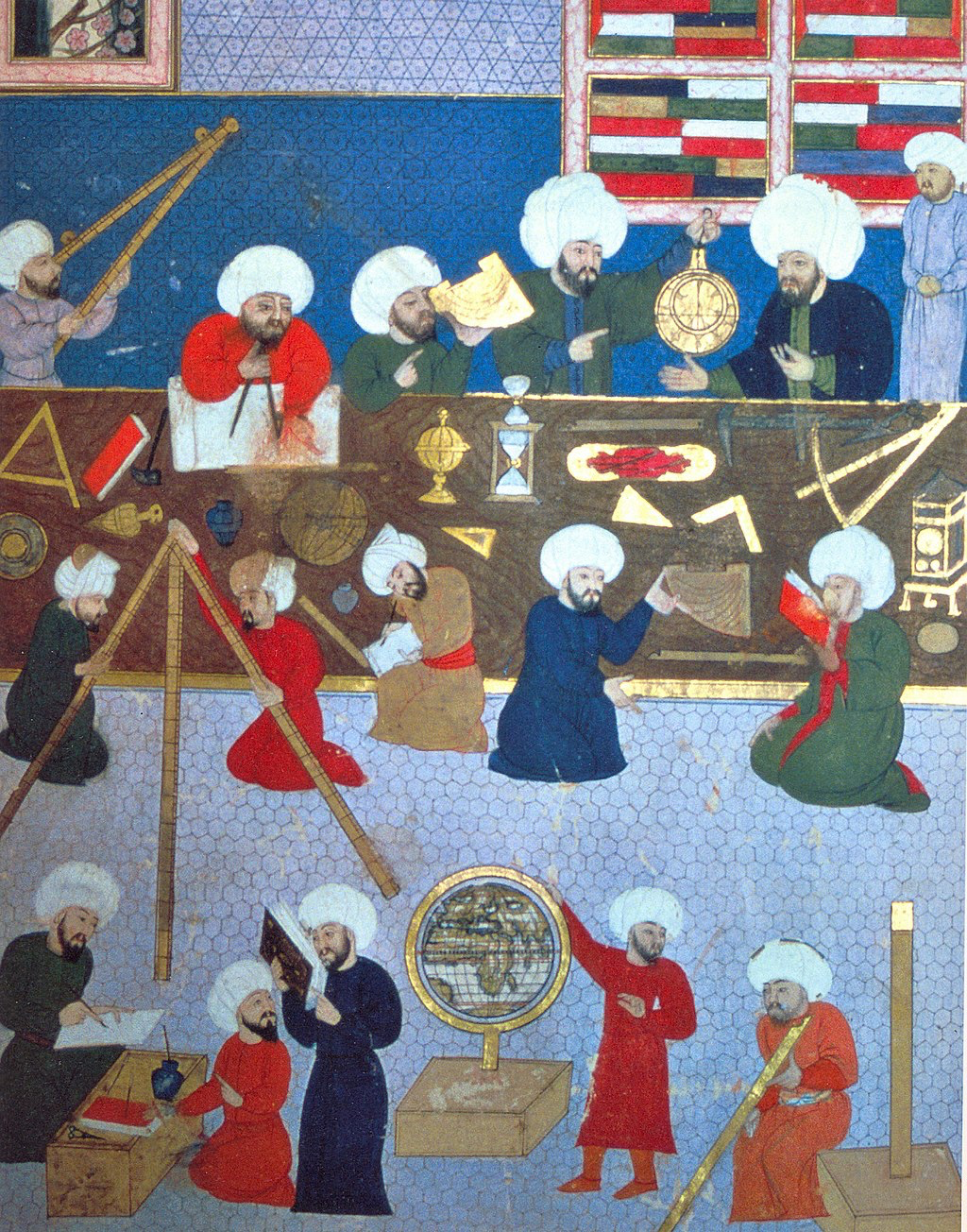
Consider the image of people working with instruments. The achievement depends on coordinated labor. One observer’s measurement must be recorded clearly enough for another person to examine it. An instrument must be positioned and used consistently. A table becomes valuable because it condenses observations into a form that others can use. Taqi al-Din’s interest in mechanical clocks and calculation belongs to this effort to improve measurement.
The observatory’s destruction in 1580 shows how abruptly that effort could be interrupted. Its fate involved political conflict and hostile interpretations of astronomical activity, rather than the quality of an instrument alone. The loss of a building could also mean the loss of working routines and opportunities to train successors. A ruler can create the conditions for science to prosper, but durable institutions require support that survives changing favor. Astronomy did not disappear with this one observatory; the project nevertheless represents a serious institutional loss.
Taqi al-Din compiled a zīj, a set of astronomical tables, and investigated numerical methods as well as instruments. Decimal fractions offered an alternative to the base-sixty divisions familiar from astronomical calculation. Mechanical observational clocks, developed in his work from the 1550s onward, made the measurement of time an active part of the astronomical program. Claims about accuracy need to be tied to a particular observation or calculation, rather than treated as a single ranking of whole careers.
One specific problem was the Sun’s apparent motion. A method associated with al-Biruni used three observations, including a pair at opposite positions along the ecliptic, to help determine parameters such as eccentricity and the motion of the apogee. The apogee is the farthest point in the modeled orbit. Comparing Taqi al-Din with Copernicus and Tycho Brahe is useful because these astronomers addressed related quantitative problems even when their wider models and institutions differed.
Later translation provides another chronological connection. In the 1660s, Tezkireci İbrahim worked with Noël Duret’s astronomical tables and discussed European cosmological ideas in Arabic. Encountering the Copernican system in a translated work did not necessarily mean adopting it. It did mean that astronomical discussion continued through books and scholarly exchange after the destruction of the observatory.
Further reading: İslam Düşünce Atlası: observatories.
8. Mechanical ideas and practical systems
A mechanical design can be understood by following the movement of energy and the sequence of parts. In a reciprocating pump, the piston moves back and forth. Valves allow water to enter or leave at the appropriate stage rather than simply moving back to where it started. If several cylinders work in sequence, their combined output can be smoother than the output of one cylinder. Taqi al-Din’s water-raising designs invite precisely this kind of analysis.
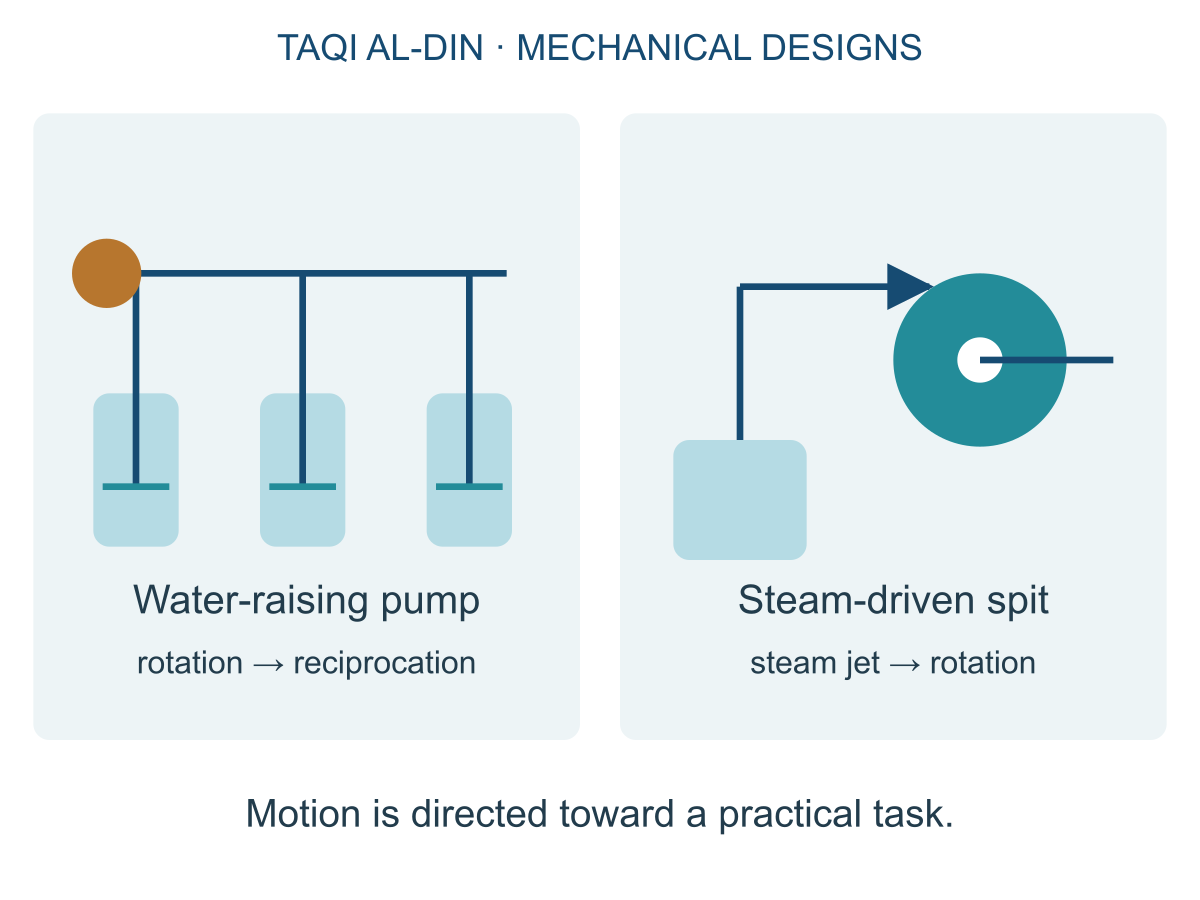
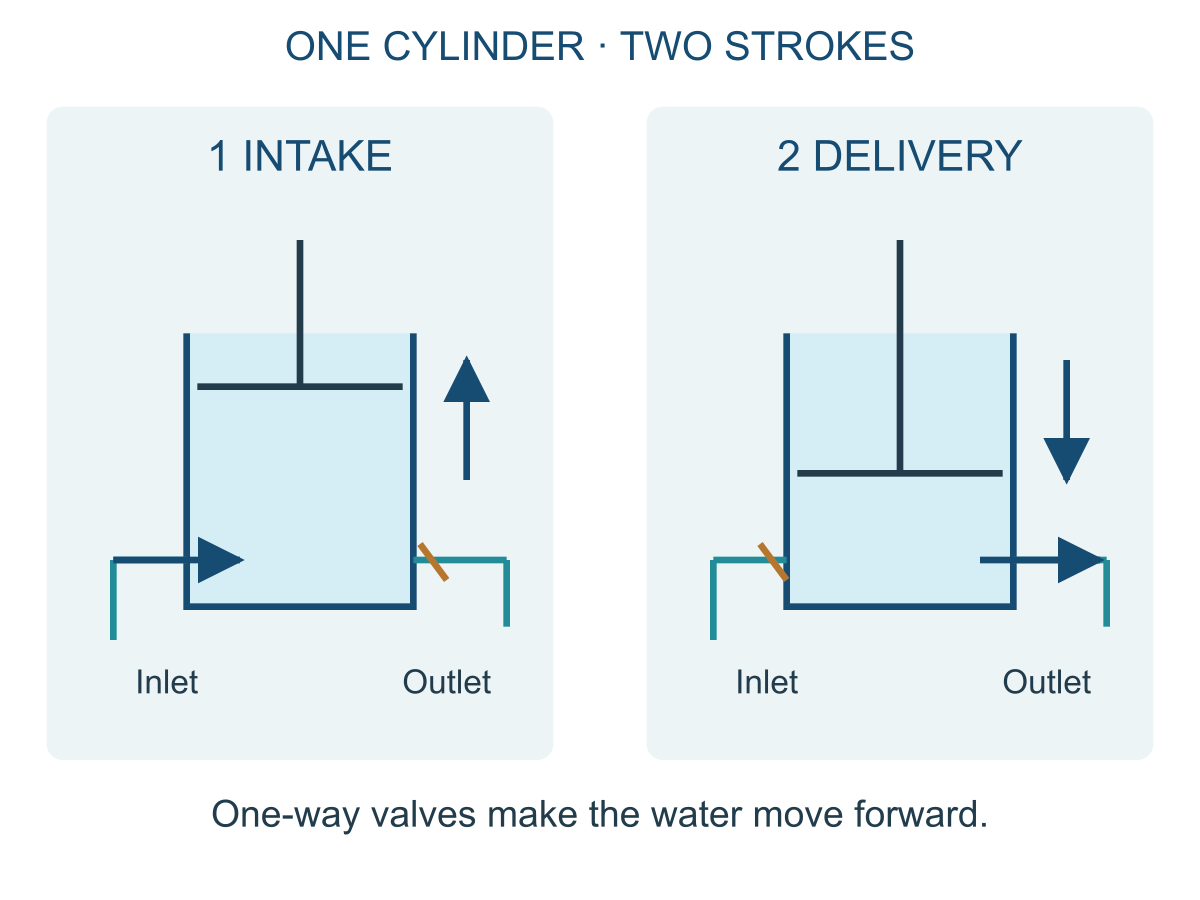
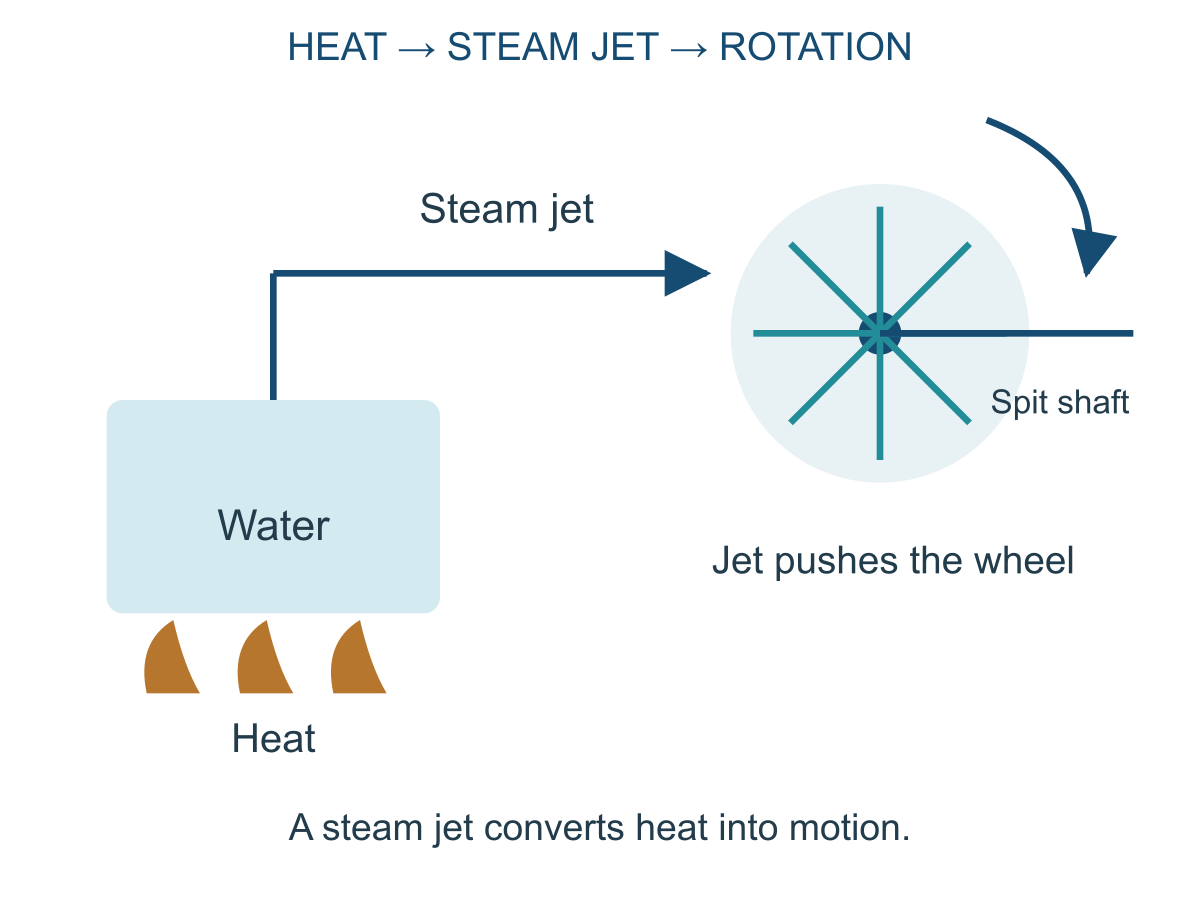
A steam jet offers another way to produce movement. Heating water creates steam; directing the jet against a wheel transfers momentum and can make the wheel rotate. A rotating spit is a readily understood application because its purpose is continuous motion rather than a single large force. The diagram here explains the principle; it is a modern schematic, not a surviving drawing of the historical apparatus.
Why does such an idea not automatically lead to a steam-powered industrial economy? A useful machine has to operate reliably, consume an acceptable amount of fuel, survive repeated heating and be repairable at a reasonable cost. It also needs a setting where its output is valuable. These are engineering and economic problems as well as questions about physical principles. We will return to them when examining industrialization.
The six-cylinder pump described in Al-Turuq al-saniyya fi al-alat al-ruhaniyya brings several components into one mechanism. A water-driven wheel turns an axle fitted with cams. These act on levers linked to piston rods; lead weights help return the pistons. Suction and delivery pipes connect the cylinders to the water supply and outlet, while valves control the direction of flow. A reduced pressure during part of the cycle allows water to enter. The sequence of the cylinders matters because their combined delivery can be more regular than a single cylinder’s output. Al-Hassani and Al-Lawati’s engineering reconstruction examines how these parts could work together.
The same mid-sixteenth-century treatise describes a steam-driven roasting spit. A jet from heated water acts on a wheel so that meat can turn over a fire. Giovanni Branca’s 1629 machine illustration provides a later comparison in the history of steam jets. The historical connection worth following is the use of directed steam to produce rotation; a description of this principle is distinct from the later manufacture of efficient engines for continuous industrial service.
Further reading: Technical study: the six-cylinder pump.
Visual sources: muslimheritage.com.
9. Seventeenth century: comparing and revising knowledge
The seventeenth century should not be represented by an empty space between the observatory and later reforms. Kâtib Çelebi’s geographical work shows a scholar seeking additional information and revising his account when new material became available. In preparing Cihannümâ, access to European geographical work through translation helped broaden the sources he could compare. The important action is not merely receiving a foreign book, but using it to reconsider an existing description.
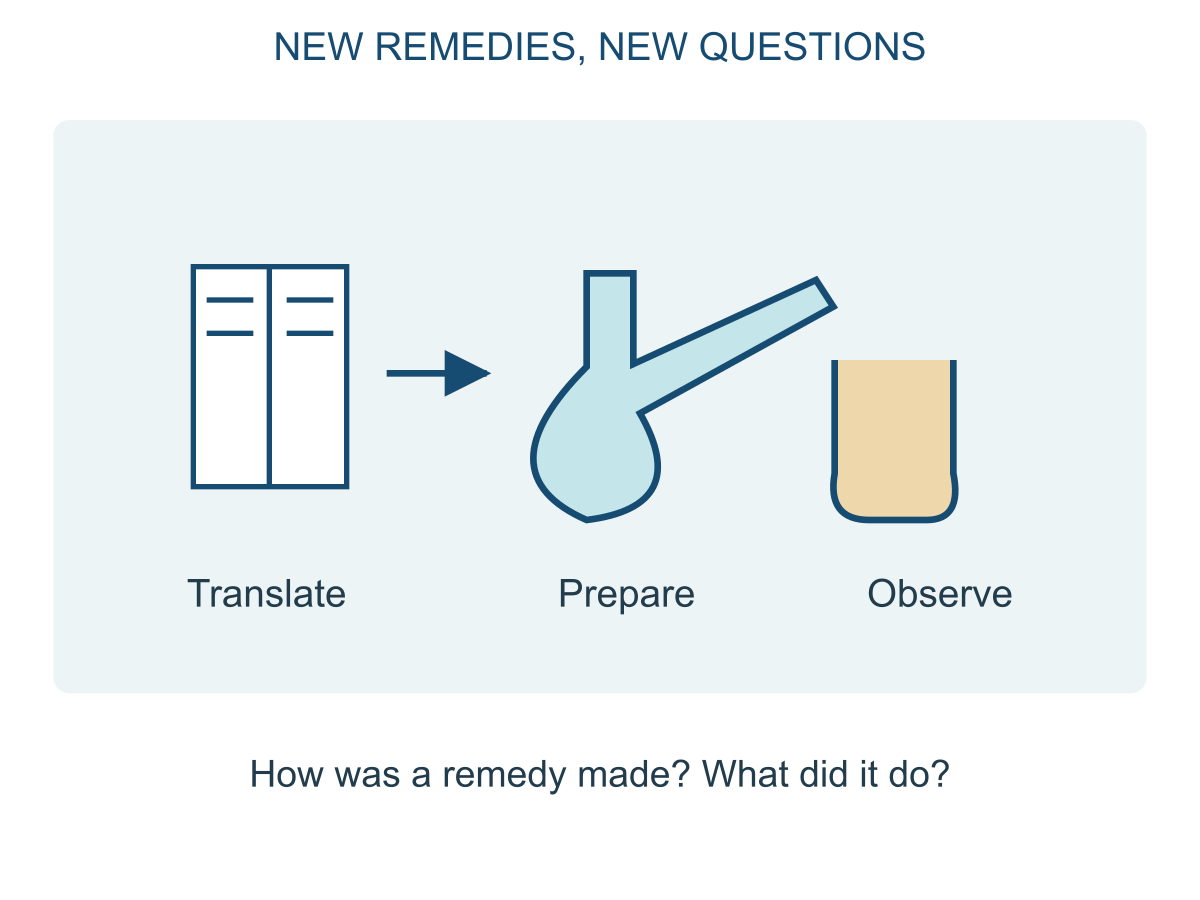
Medicine likewise involved overlapping approaches. Translations introduced remedies and chemical explanations while older medical frameworks remained in use. A new substance or a new account of its effects could attract attention without resolving every question about treatment. Historical interest in tobacco as medicine is a reminder that novelty and therapeutic value are different matters.
These cases help us distinguish intellectual activity from the existence of a modern research system. People could read critically, translate and adapt without working in institutions organized like a present-day university. Our task is to understand what their settings enabled, which questions they addressed, and what prevented such activity from becoming more extensive or more durable.
Two medical examples make the movement of new remedies more concrete. Ibn Cânî el-İsrâilî discussed tobacco through translations of Spanish and Arabic medical writing. Ömer ibn Sinan el-İznikî’s work, known by the title Kitâb-ı Künûz-ı Hayâti’l-İnsân ve Kanûn-ı Etıbbâ-yi Feylosofân, included instructions for preparing medicines within the chemical-medical tradition. Recipes and preparation methods are part of the history of technology: the reader must know not only the name of a substance but how it is processed and used. These are historical medical claims, not evidence that the remedies were effective. Research on Paracelsian medicine follows these authors and their writings.
Reports from ambassadors and translations of European texts also made differences in military technique and education more visible. Comparison could encourage new institutions, but the act of translation itself required people who understood both a language and a subject. Kâtib Çelebi’s geographical work and chemical medicine show two different forms of this intellectual labor.
Further reading: Ministry of Culture: Kâtib Çelebi.
Visual sources: commons.wikimedia.org; islamansiklopedisi.org.tr.

10. Eighteenth century: printing and technical schools
Müteferrika’s press returned the problem of knowledge circulation to a new scale. Dictionaries and other substantial works supported readers who needed reference material, not just a teacher’s explanation at a particular moment. Printing could preserve a common text and make repeated consultation easier. Its wider effect still depended on the number of readers, their interests and the institutions that used the books.
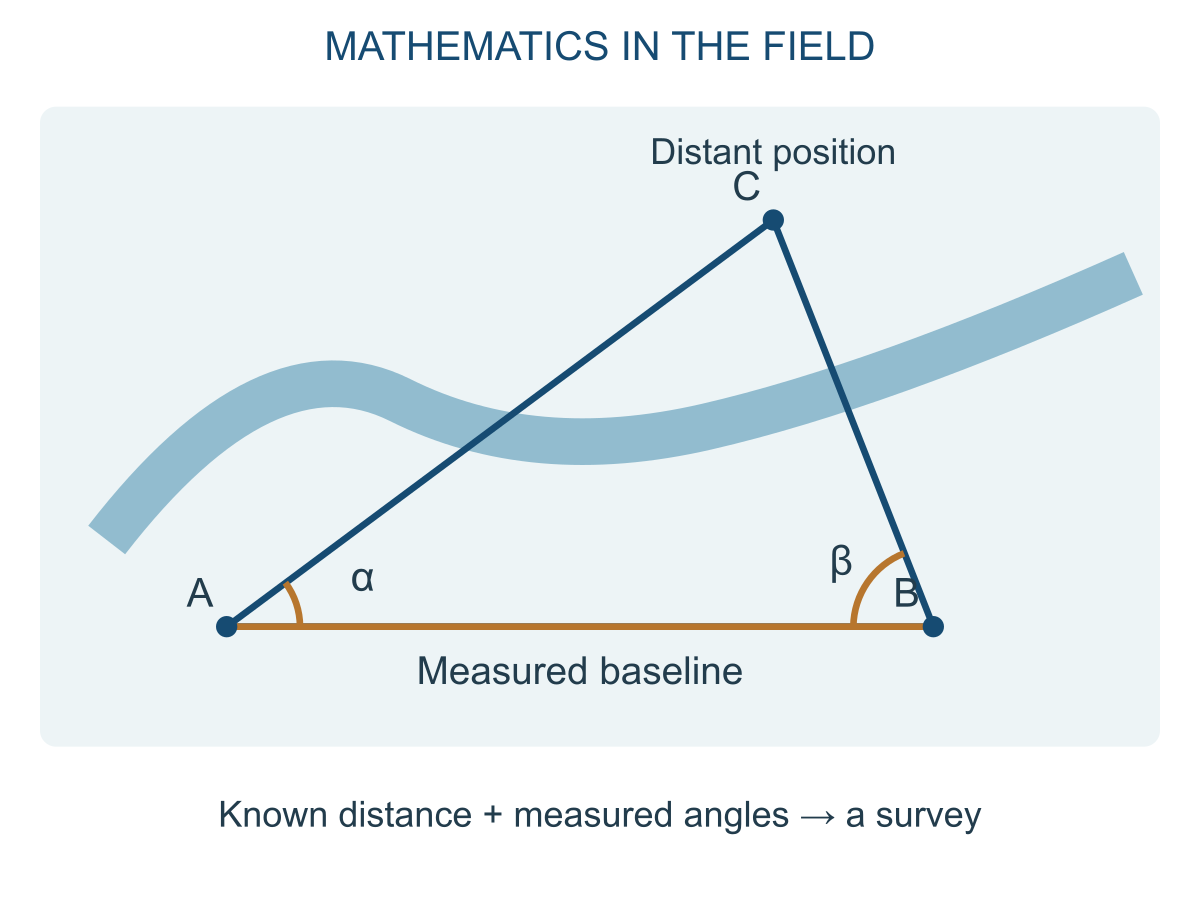
Military reform made the need for technical education urgent. A state could purchase a weapon or hire an engineer, but neither solution by itself ensured a continuing supply of trained personnel. Schools could teach methods repeatedly to successive groups. Mathematical subjects mattered because they served recognizable purposes: measuring land, plotting a course, laying out defenses or calculating quantities.
İTÜ traces its roots to naval engineering education in 1773. The land engineering school associated with the reforms of Selim III opened in 1795. These institutions had distinct histories and later reorganizations. Their importance lies in making technical training a continuing institutional responsibility. The question that follows is whether an institution also develops the resources and incentives to investigate unfamiliar problems. Teaching a reliable procedure and developing a new procedure require overlapping skills, but they are not the same activity.
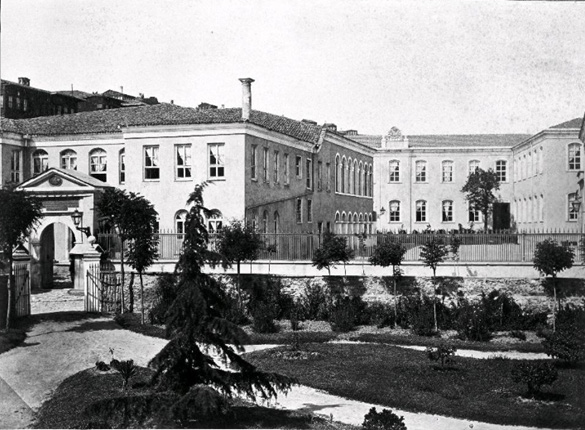
An earlier stage of military mathematics teaching is associated with Mahmud I, Humbaracı Ahmed Paşa and the Hendesehane of the 1730s, conventionally dated to 1734. Ahmed Paşa, formerly the French officer Bonneval, connects the recruitment of foreign specialists with attempts to train personnel locally. The later land engineering school of 1795 belonged to Selim III’s Nizâm-ı Cedîd reform setting. It should be distinguished from the naval lineage traced to 1773.
Naval training addressed shipbuilding, mapping and navigation. Arithmetic, geometry, astronomy, ballistics and hydraulics connected mathematical instruction with practical tasks. Subjects and regulations changed as the institutions developed. The wider nineteenth-century sequence includes reorganization in 1845, the emergence of civil engineering education in 1883–1884, and the separation of the civil school from military administration in 1909. These stages help explain how education originally directed toward military needs broadened toward infrastructure.
Foreign expertise affected organization as well as equipment. Specialists from the Balkans and western Europe helped with weapons manufacture and technical training. Military reform also meant differentiated ranks and responsibilities for medical, educational and administrative work. A school therefore belonged within a larger effort to make expertise available reliably, rather than depending entirely on an exceptional individual. İTÜ’s historical timeline and the history of the land engineering school give the institutional sequence in more detail.
Further reading: Ministry of Culture: printing; İTÜ: institutional history; TDV: naval engineering school.
Visual sources: istanbultarihi.ist; 250yil.itu.edu.tr; ituyayinevi.itu.edu.tr.
11. Şânîzâde: learning and insecurity
Şânîzâde Mehmed Atâullah Efendi worked across medicine, translation and historical writing. His medical works helped explain newer anatomical knowledge and develop the vocabulary in which it could be taught. A medical term is not a decorative label. It allows a teacher, a student and a practitioner to refer to the same structure or condition with greater precision. Building such a language is part of building a field of knowledge.
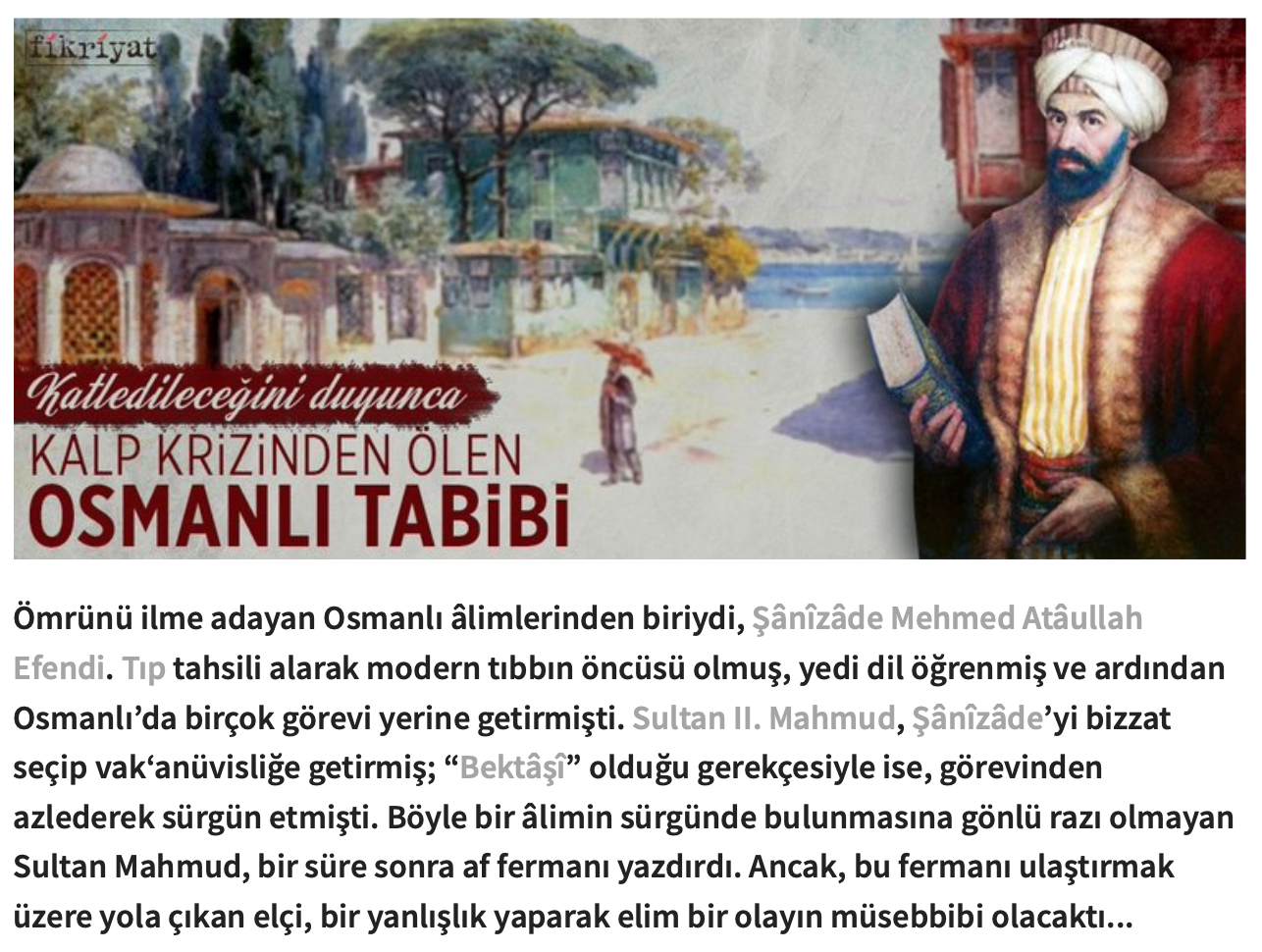
An anatomical illustration also changes what can be shared. A reader can return to the same arrangement of structures and compare it with an explanation. The book does not replace practical medical training, but it gives that training a common reference. Translation, images and teaching therefore reinforce one another.
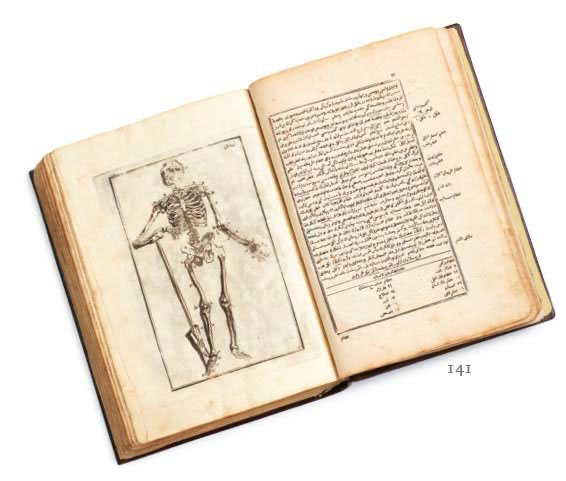
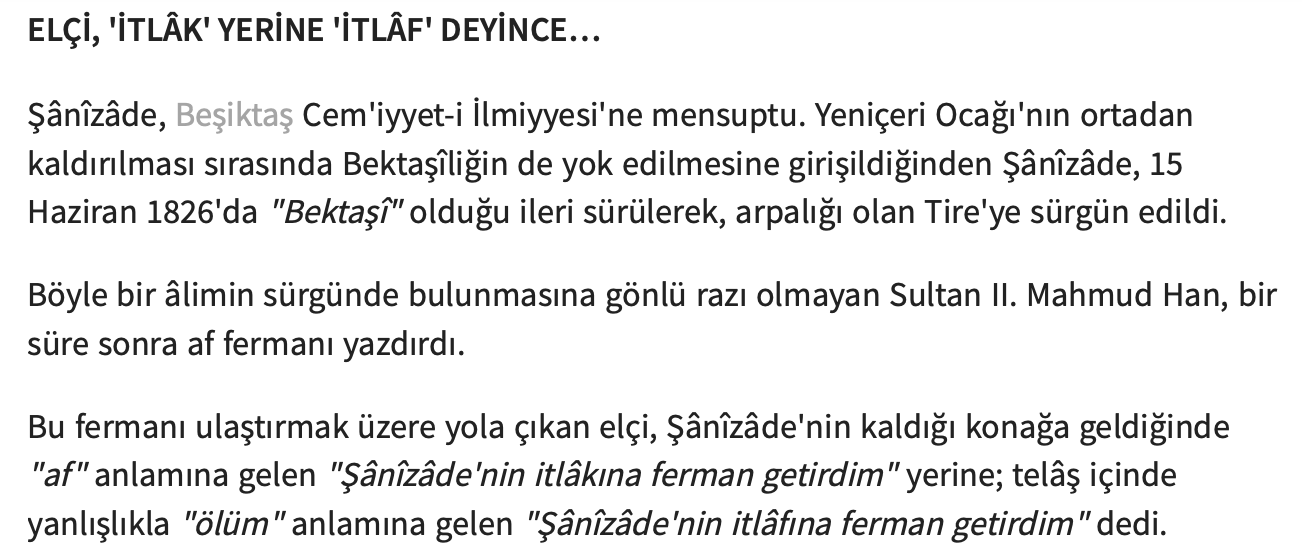
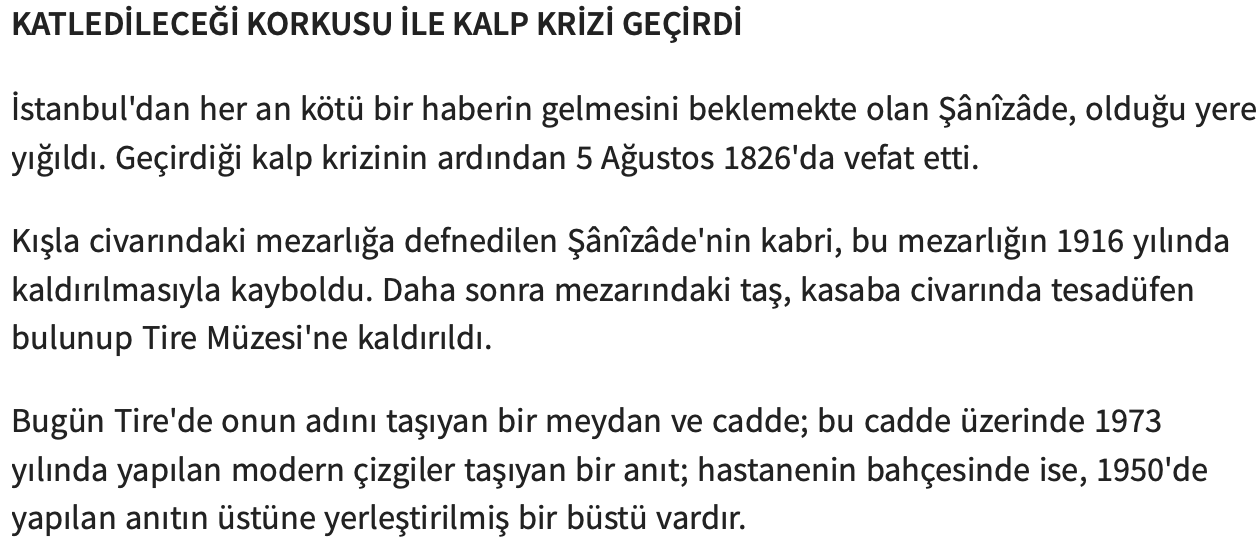
Şânîzâde’s life also reveals how insecure learned activity could be. Exiled in the upheaval of 1826, he died later that year. An account preserved in biographical sources tells of a messenger bringing a pardon but saying itlâf, destruction or execution, instead of ıtlak, release. According to the account, the shock was followed by collapse and a short illness. The story is disturbing because the fear was credible to its subject. Knowledge needs places to be taught and resources to be developed; it also needs conditions in which people can work without being destroyed by political suspicion.
The Hamse-i Şânîzâde was a collection of five medical works dealing with anatomy, physiology, medicine, drugs and surgery. Mir’âtü’l-ebdân, the anatomical volume, joined explanation with illustrations. The vocabulary developed through this work contributed to later efforts to write medicine in Turkish, including the Cem‘iyyet-i Tıbbiyye-i Osmâniyye’s Lugat-ı Tıbbiyye of 1873. A dictionary was part of the infrastructure of teaching: it made technical meanings easier to stabilize across texts and generations.
Further reading: TDV: Şânîzâde.
12. Nineteenth-century reform: medicine and industry
Medical education reveals the practical scope of institutional reform. The Tıbhâne-i Âmire opened in 1827 to train medical personnel for the military. The 1839 reorganization at Galatasaray brought a more developed medical-school setting, including collections and facilities for teaching. A reform of this kind involved much more than naming a school: teachers, books, language preparation and opportunities for practice had to be arranged together.
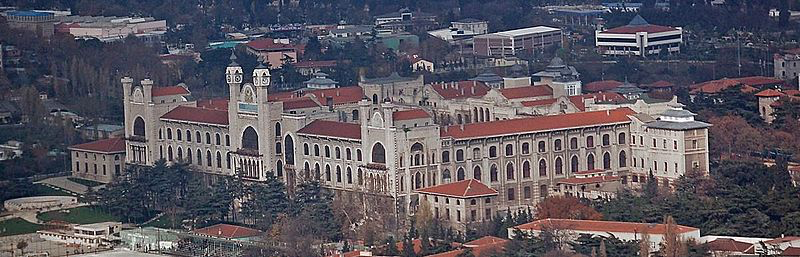
Language could open access to recent medical literature while also making study harder for students who had to learn it first. Developing Turkish medical terminology and producing teaching materials therefore mattered alongside institutional buildings. The large Haydarpaşa building represents a later stage of this development. It is useful to compare the visible investment in architecture with the less visible work of training teachers and maintaining an effective curriculum.
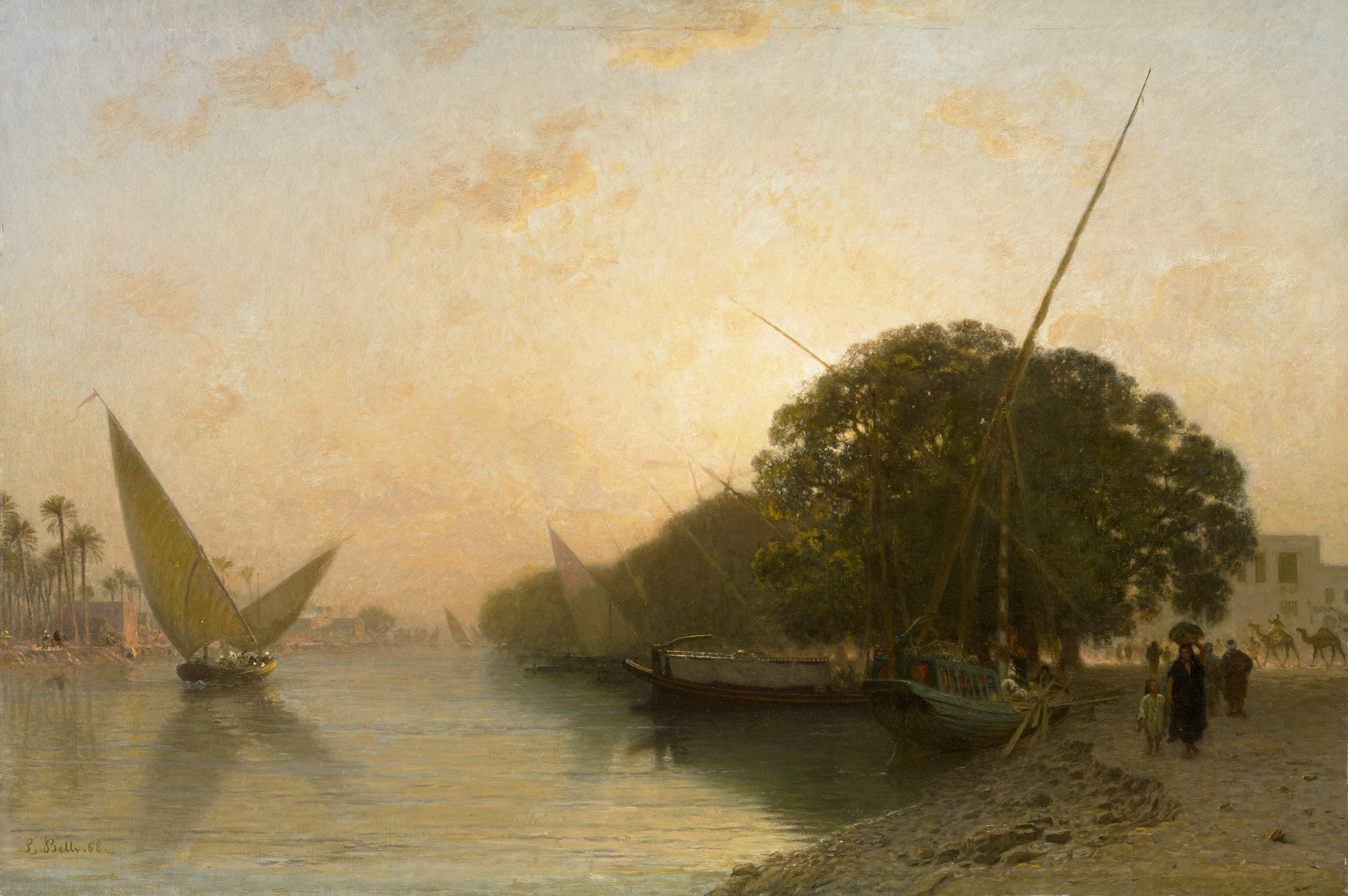
Industrial projects in Egypt under Muhammad Ali raised related questions. A government could direct investment, recruit expertise and establish manufacturing enterprises. Continued production nevertheless depended on supplies, skilled workers, energy, maintenance and demand. The existence of an ambitious project does not settle the question of its long-term success. Nor does a later difficulty erase the effort that went into it. This comparison prepares us to ask how industrial systems became durable in the following lecture.
The naval medical school, Tersâne Tıbbiyesi, established in 1806, preceded the Tıbhâne-i Âmire. Behçet Efendi was central to the foundation of the latter in 1827. European medical books and journals, language study and the recruitment of instructors were all involved in reform. French became especially important in the reorganized school of 1839. Access also widened across religious communities, while the difficulty of language preparation continued to affect students’ opportunities.
Egypt’s industrial drive involved textiles and other manufacturing branches as well as military production. Animal power and water power did not disappear when steam engines arrived; different energy sources coexisted. Boilers, repairs, fuel purchases and skilled operation became recurring obligations. Egypt’s limited coal resources made imported fuel an important issue, while the Nile offered a major transport route. Agricultural production and water management supplied part of the economic setting in which manufacturing was attempted.
Economic historian Jean Batou treats the industrial efforts of the 1820s and 1830s as a serious possibility for development, rather than an enterprise doomed from the beginning. That interpretation directs attention to state investment, production, transport, international relations and the choices that interrupted or sustained them. It also invites comparison with other explanations of Egypt’s industrial difficulties. A potential path of development is a historical argument, not proof that later success was inevitable. See Batou’s study of Egyptian industrialization before the Suez Canal.
Further reading: TDV: medical school.
Visual sources: commons.wikimedia.org.

13. Schools and access to education
Nineteenth-century educational change involved the organization of learning as well as its content. Teaching by subject, arranging pupils into classes, using examinations and training teachers could make schooling more repeatable across cohorts. Sending people abroad offered one route to acquiring expertise, but the benefit depended on what they could do after returning. A trained person needed employment, colleagues and opportunities to use the training.
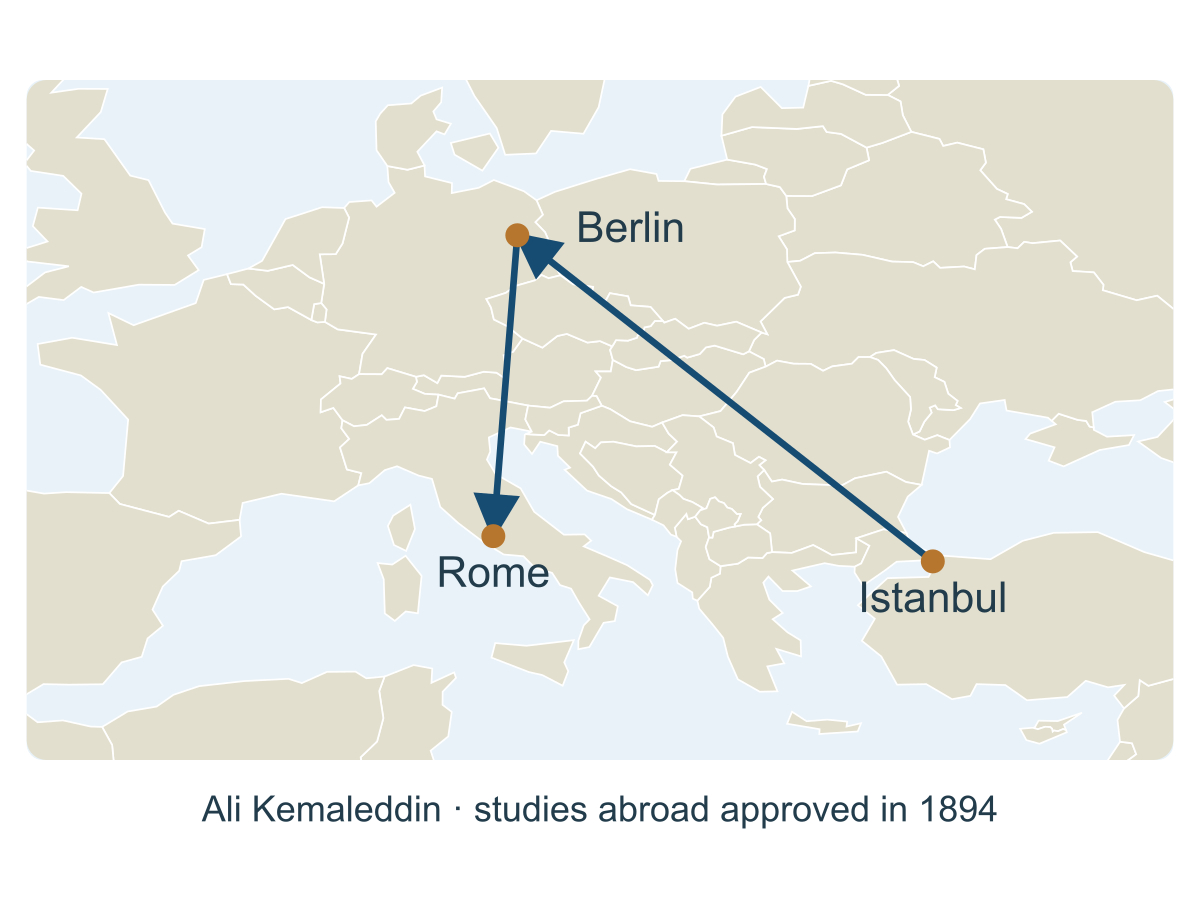
The educational landscape was diverse. State schools existed alongside institutions maintained by religious communities and foreign organizations. The 1897 table makes this diversity visible. Its categories and date matter: a count of institutions is not a count of students, a measure of educational quality, or proof of equal access. A small institution and a large one each count as one school. Language, location, funding and entry requirements shaped who could participate.
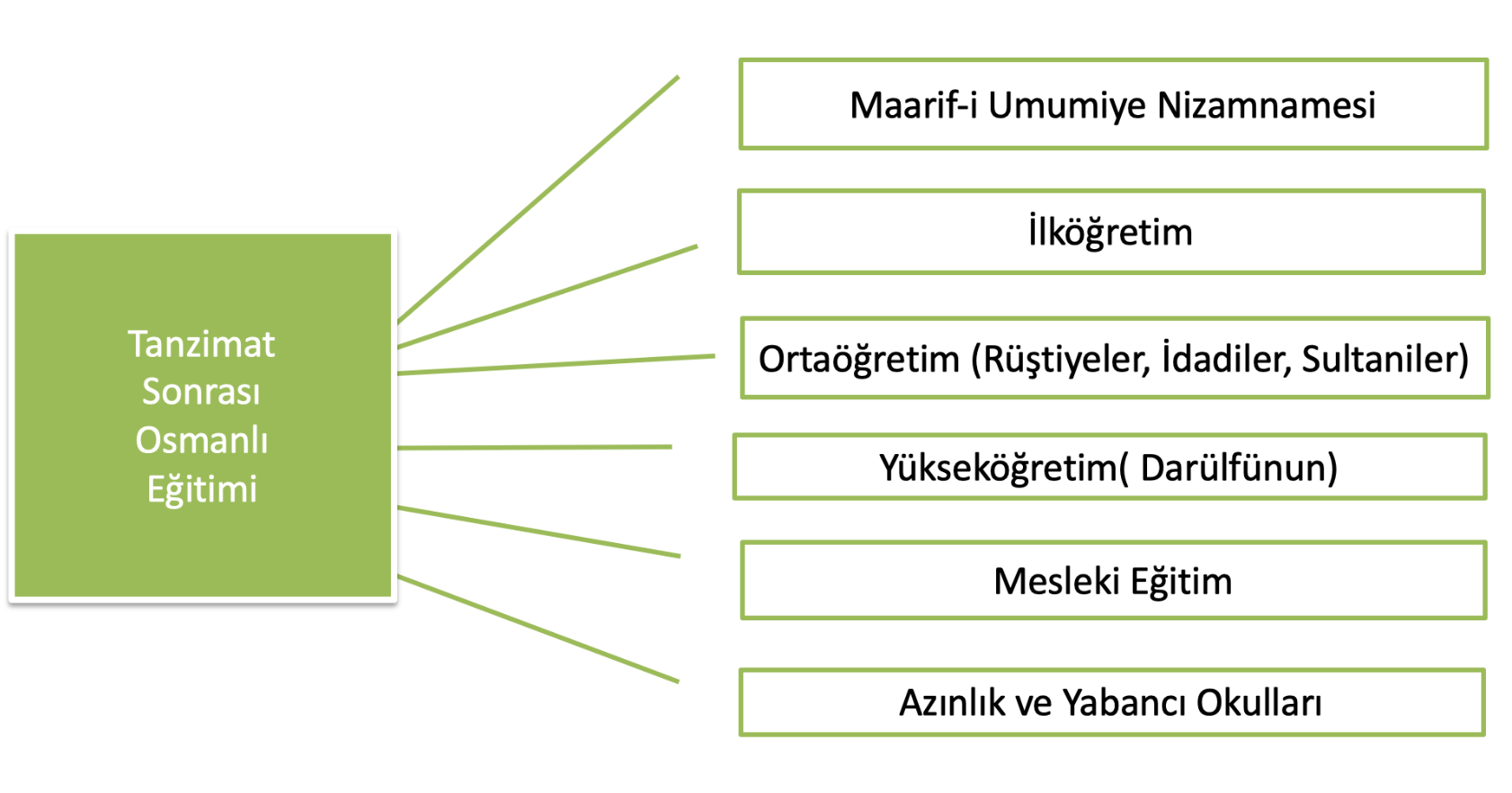
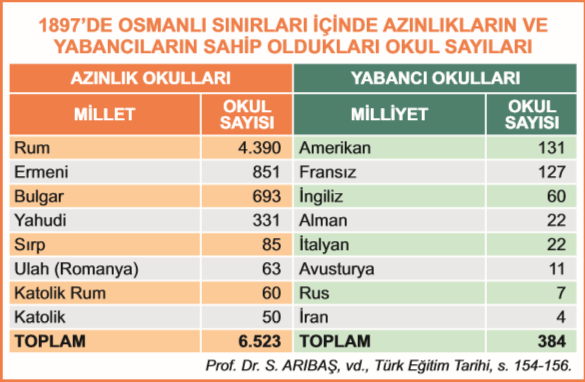
The move toward classrooms organized by age and subject changed how educational progress was recognized. Syllabuses and qualifying examinations made it possible to define expectations beyond a single teacher’s judgment. Schools maintained by communities and foreign missions were part of this changing landscape. Ottoman state initiatives responded both to new educational needs and to competition over influence.
Overseas education expanded during the nineteenth century. A group of four pupils associated with Hüsrev Paşa was sent to France in 1830; subsequent groups studied in European centers such as Paris, London and Vienna. Military and engineering subjects were prominent. Later examples, including Ali Kemaleddin’s proposed studies in Berlin and Rome, show how this route continued. Sending a student abroad solved only the first part of the problem: the return needed to lead to employment, teaching and the transmission of expertise.
Visual sources: ituyayinevi.itu.edu.tr.
14. Mecmûa-i Fünûn: building a scientific public
Mecmûa-i Fünûn, first published in 1862 as the journal of the Cemiyyet-i İlmiyye-i Osmâniyye, brought scientific and cultural subjects to a wider reading public. It joined translation with the task of explaining unfamiliar ideas in a language readers could use. Its history included interruptions caused by practical and political difficulties. Publication required more than an initial enthusiasm: it needed contributors, money and permission to continue.
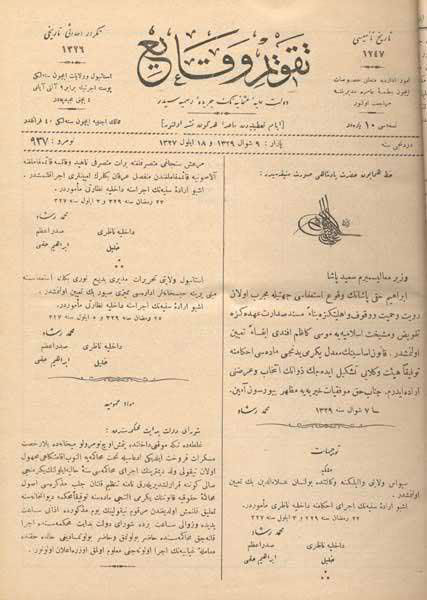
Open a journal like this and consider the range of subjects a reader could meet. Natural sciences appeared alongside history, education and economics. Pieces on electricity, the telegraph and geology connected unfamiliar explanations with the world around the reader. Its cultural significance lies partly in bringing these subjects together as knowledge worth discussing.
An accessible language mattered as much as selecting an interesting subject. Translation required terms through which readers could follow an argument and use it in another discussion. A periodical could build familiarity gradually: the next issue returned to an audience whose interests and vocabulary were developing.
A scientific public is not simply a large audience watching experts. Readers can become students, correspondents, teachers and future contributors. A journal creates a place where knowledge can be encountered outside a single classroom or personal relationship. This is one reason why schools and publishing belong together. They can increase the number of people able to take part in the circulation and development of ideas.
Mecmûa-i Fünûn’s publication history makes the difficulty of continuity concrete. After its appearance in 1862, it reached 33 issues before cholera and financial problems interrupted publication. It resumed with issue 34 in May 1866 and stopped at issue 47 in June 1867 as the society’s members dispersed. Münif Paşa attempted a revival in 1883, but only one further issue appeared before another closure. The sequence is a reminder that a journal depends on the health, time, finances and security of a whole community.
Imagine the relationship between a classroom and a regular publication. A teacher helps someone become a capable reader; that reader encounters questions beyond the lesson, discusses them and may later write or teach. The journal gives these exchanges a shared place. Its interruptions matter because they break a continuing relationship among contributors and readers, even when copies of earlier issues survive.
This brings us back to printing at the beginning of the lecture. A press makes copies; a publication gives those copies a continuing intellectual purpose. Mecmûa-i Fünûn shows both the ambition to make science part of public life and the practical vulnerability of that ambition. Its importance extends beyond a date in a chronology.
Further reading: TDV: Mecmûa-i Fünûn.
15. Technology, research and continuity
It is possible to acquire a sophisticated machine without acquiring the ability to improve it. It is also possible to learn how to operate and repair a machine without understanding every principle on which it depends. These are useful abilities, but they support different kinds of independence. A society that wishes to develop its own methods must create opportunities to investigate problems beyond the immediate task of keeping equipment running.
Acquire → Adapt → Investigate
Adaptation can itself demand intelligence and experimentation. Local materials may behave differently, a supply may be unreliable, or users may need something the imported design did not anticipate. The crucial question is whether these experiences are recorded, discussed and turned into a continuing capacity to learn. If each practitioner starts again alone, much of the accumulated effort is lost. Institutions can help preserve that effort through teaching, publication, collections and stable working relationships.
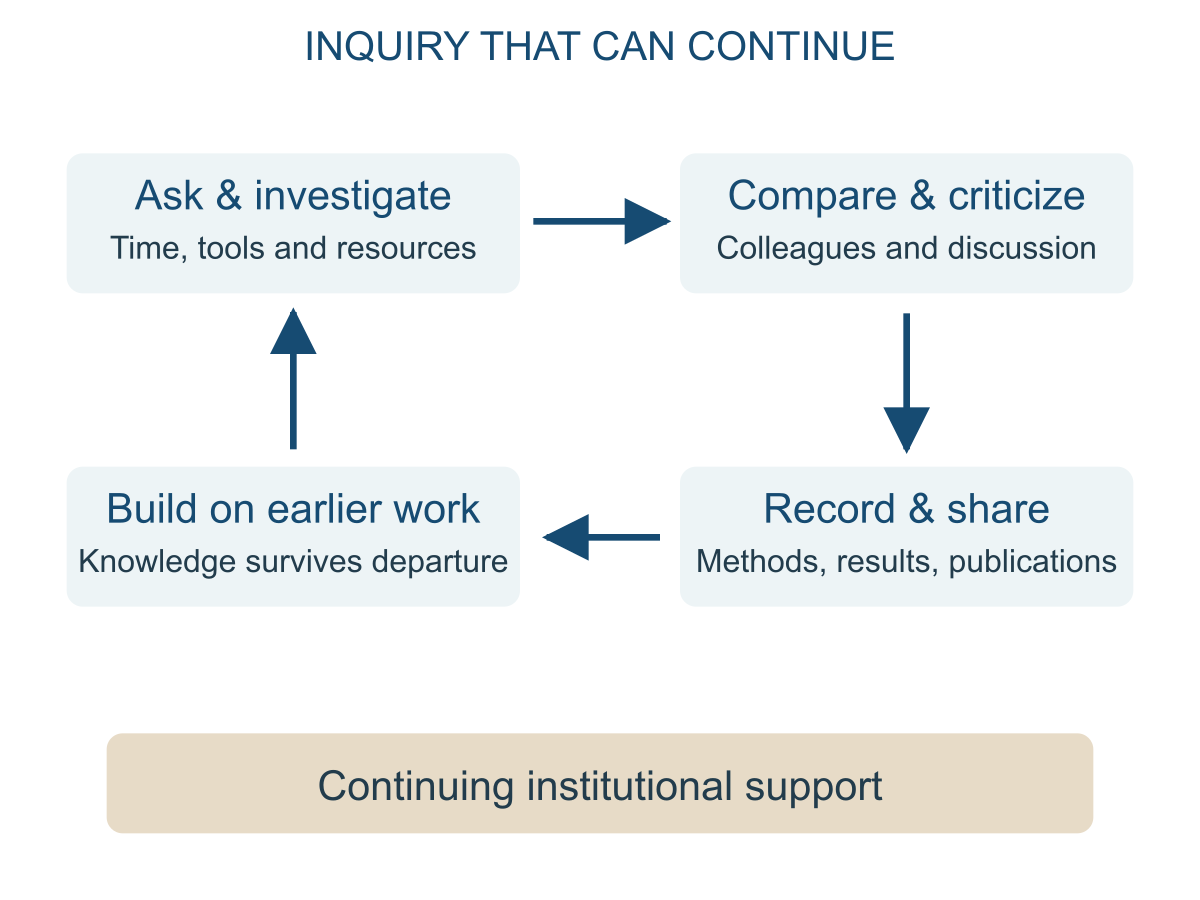
The cases in this lecture show several ways in which leadership matters. A ruler may invite a scholar, finance an observatory or open a school. A hostile political climate may also undo years of work. Yet leadership is not a substitute for the daily activity of learning. Long-term strength requires people who can train successors, criticize arguments and undertake work whose results are not known in advance.
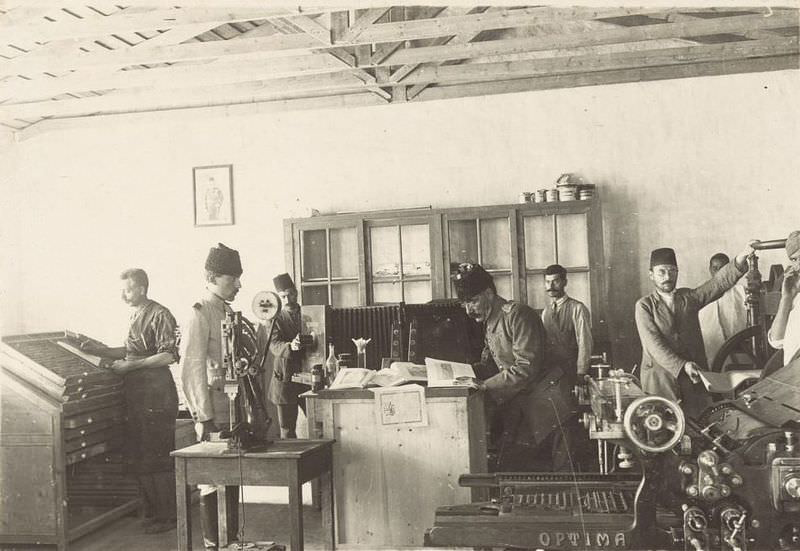
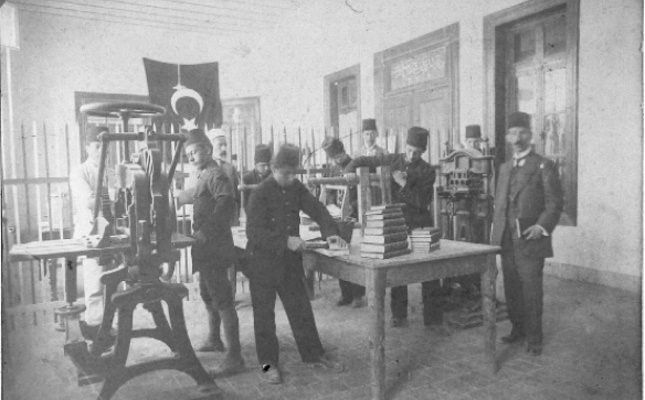
Return to the printing workshop. Its machines, workers and books represent an organized capability. To enlarge its contribution, imagine what happens beyond the room: schools create readers, writers prepare new material, translators connect communities, and readers discuss what they encounter. The workshop becomes part of a continuing intellectual life when these relationships endure. The same question can be asked of a laboratory, a university or a modern technology company.
The word fünûn, familiar from Mecmûa-i Fünûn, could refer to branches of knowledge or arts; fen also became strongly associated with practical and technical subjects. Its uses changed across texts and periods. The question for this lecture is the distinction between mastering an existing technique and developing the means to investigate a new problem. Terminology can help reveal an educational emphasis, but a word alone cannot prove the presence or absence of research.
Technical schools founded to meet immediate military needs naturally emphasized teachable procedures. An inquiry into unfamiliar materials, physical processes or chemical reactions requires additional time, equipment and support. Scientific societies, journals and later university institutions offered settings in which these activities could grow. The historical issue is how a reliable system for reproducing existing expertise could also make room for producing new knowledge.
16. Review and the next question
Try explaining the lecture through three examples rather than a list of names. First, use the observatory to explain the relationship between patronage and continuity. Its instruments and observers required support; the withdrawal of that support could interrupt the project. The general lesson is that scientific work depends on arrangements that permit it to continue.
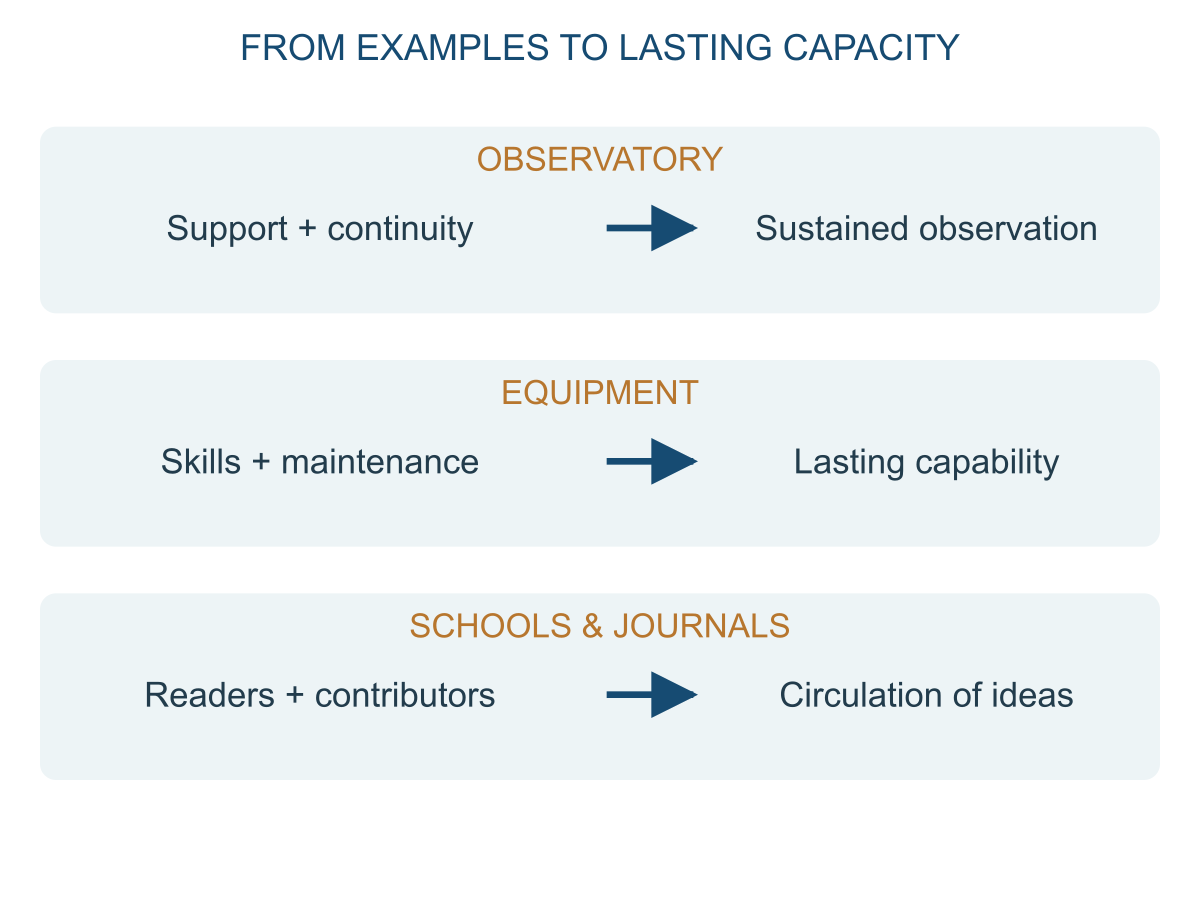
Second, explain the difference between purchasing a machine and developing technical independence. A useful answer includes operation, maintenance, adaptation and the ability to investigate new problems. It should also recognize that learning to adapt equipment can be a step toward further innovation, rather than treating all borrowed knowledge as worthless.
Third, connect a school with a journal. A school develops the skills needed to understand a text. A journal offers material beyond one teacher’s repertoire and a place where knowledge can circulate. Neither guarantees new discoveries, but their interaction can enlarge the community able to contribute. In the next lecture, we will examine similarly connected changes in energy, production, labor and transport during industrialization.
17. Further examples and documents
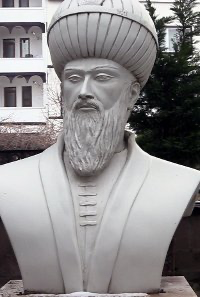
A modern bust of Sabuncuoğlu records later remembrance of a medical author. It does not carry the same evidential status as the illustrated text associated with his work. Similarly, the Turkish accounts of Şânîzâde’s last days preserve a powerful biographical story. Reading them alongside his writings keeps the person’s intellectual contribution in view as well as the circumstances of his death.
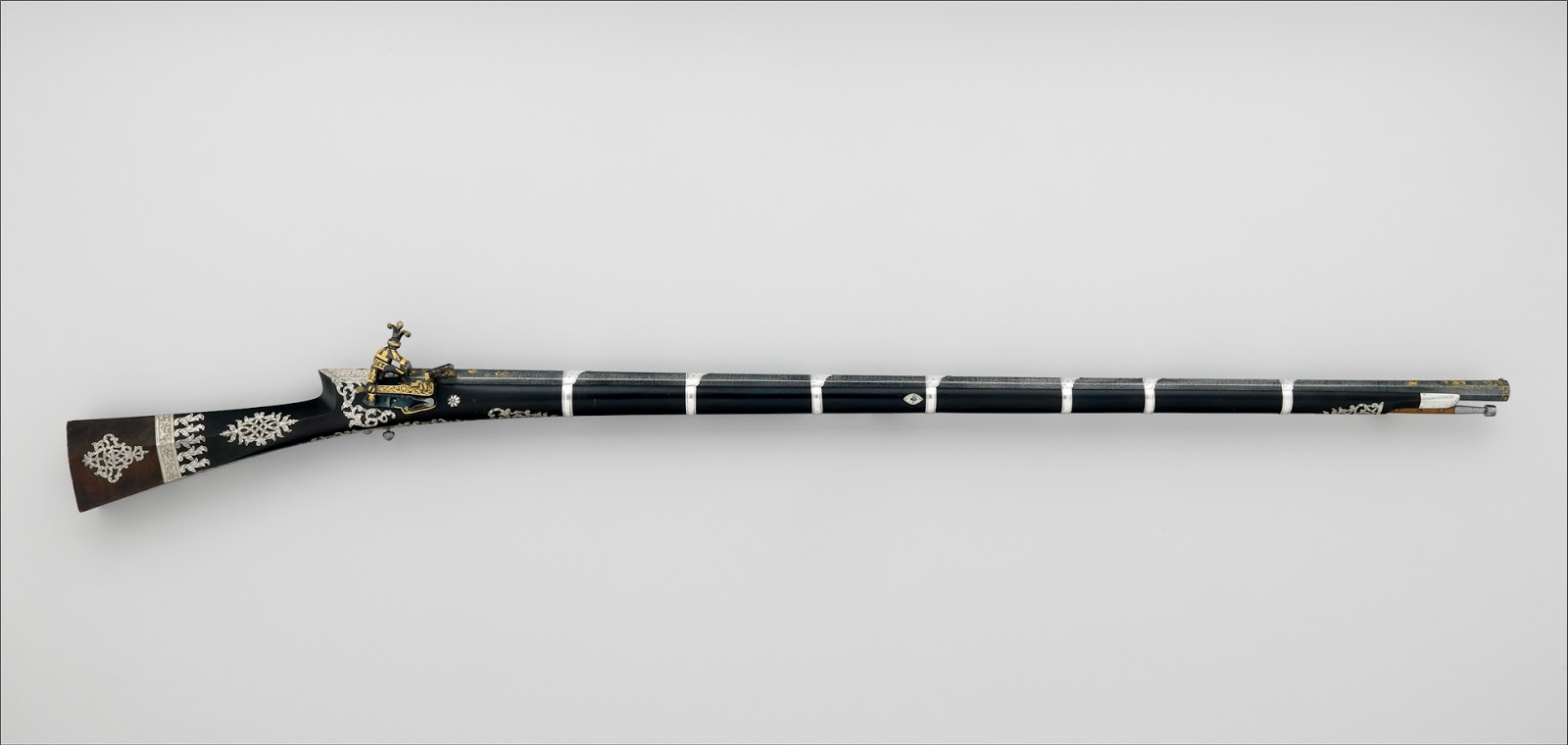
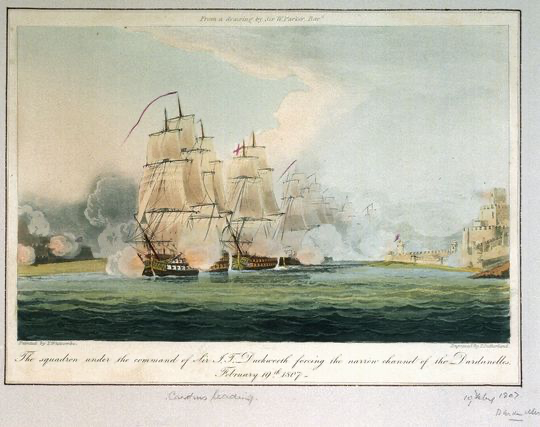
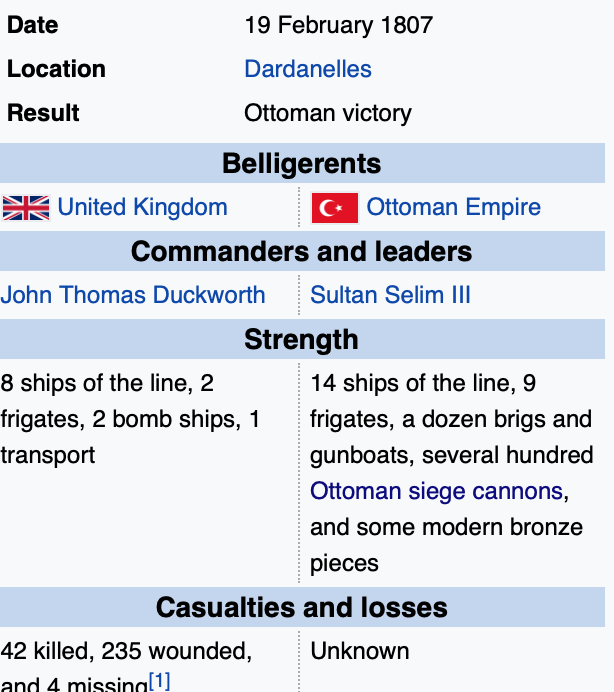
Firearms and the Dardanelles expedition extend the discussion of technical systems. Decorative workmanship does not by itself date a weapon or identify its firing mechanism. A military summary also needs careful reading: the losses of an entire expedition cannot automatically be attributed to one gun. The useful historical question is how equipment, fortifications, trained people and geography worked together.
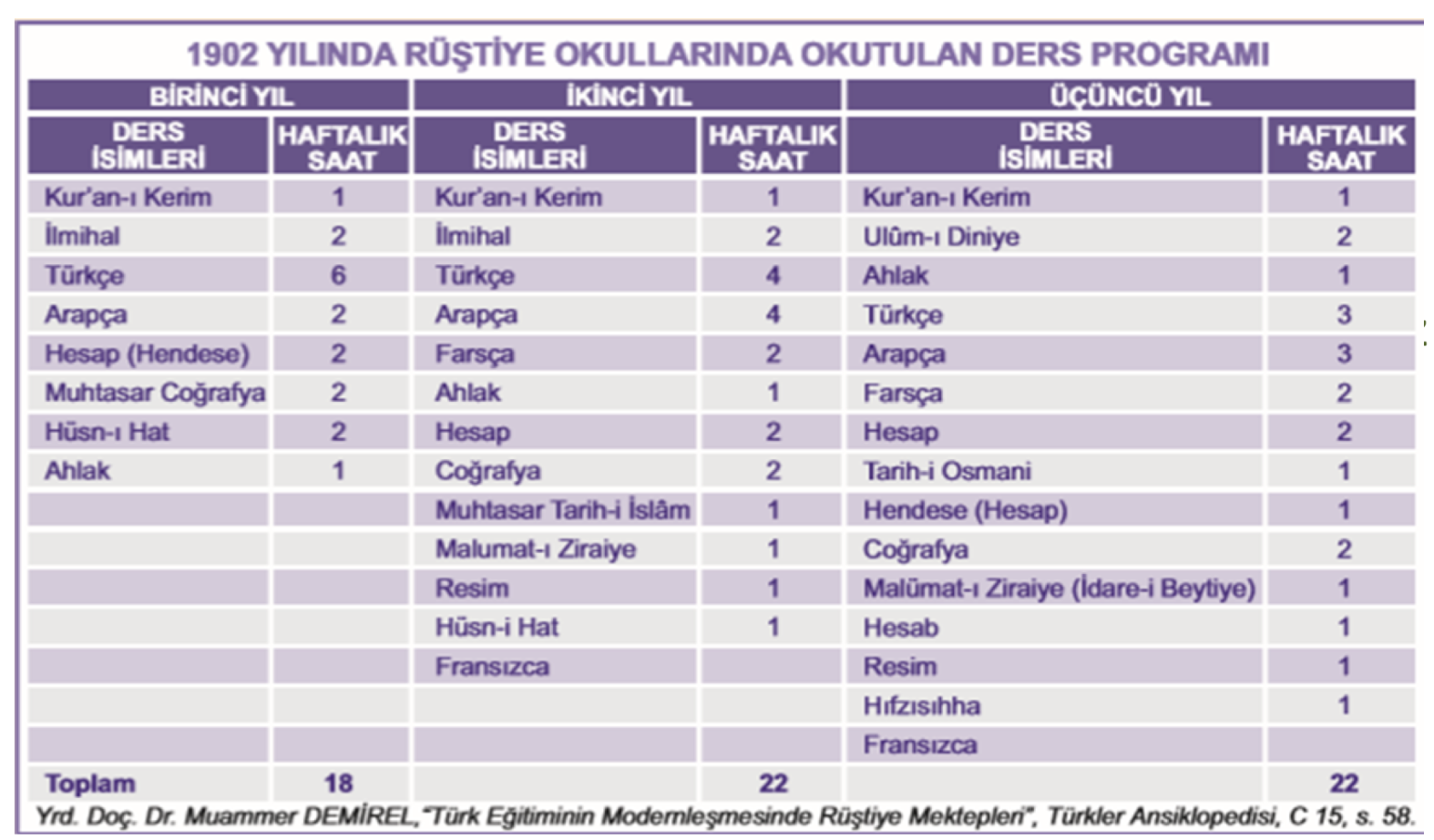
The rüşdiye timetable shown here is dated 1902. Its combination of languages, arithmetic, history, geography and other subjects allows us to examine a school’s stated priorities. Hours indicate planned allocation, not the actual quality of every lesson. This is later evidence than the eighteenth-century engineering-school reforms, and it belongs to a different level of education. The late-Ottoman M1903 rifle likewise belongs to a later military setting, after the abolition of the Janissary corps in 1826.
Finally, Constantinople To-Day, published in 1922, carries the story beyond the main period of the lecture. A social survey organizes a city through questions and categories chosen by its investigators. It can be read both for the conditions it describes and for the priorities of the people who produced it. Historical documents become more informative when we ask how and why they were made.

Read Constantinople To-Day (1922) — complete book (PDF)
The 1807 Dardanelles expedition belongs more than three centuries after Munir Ali’s 1464 gun. Large stone-firing weapons remained useful in fixed defenses long after new kinds of artillery appeared. Naval losses must nevertheless be understood through the whole operation, including shore batteries, geography and the ships’ movements. A figure for casualties across an engagement cannot establish what one surviving cannon caused.
The Mauser M1903 illustrates a much later supply system: a bolt-action rifle with a five-round magazine depended on manufactured ammunition, spare parts and trained users. Late-Ottoman units did not all receive identical equipment at the same time; older arms could remain in secondary service while officers also obtained privately purchased handguns. The Janissary corps had been abolished in 1826, so this rifle belongs to a different army and period.
Further reading: TDV: Janissaries.
Visual sources: commons.wikimedia.org.

18. Sources and further reading
Osman Cengiz’s chapter “Osmanlı Döneminde Bilim” in Bilim Tarihi, edited by Ali Rıza Erdem (2024), provides a broad account of subjects and institutions. Miri Shefer-Mossensohn’s Science among the Ottomans (2015) examines knowledge within its social and cultural settings. Ahmet Keleş’s 2020 review discusses the Turkish edition and offers a critical response. A review and the book it discusses are different sources.
The linked institutional histories, historical reference articles and technical studies provide further detail on the cases discussed here. Comparing their purposes is useful: a university history emphasizes institutional development, a biographical article follows a person, and a technical study examines the operation of a mechanism. A fuller explanation often requires more than one kind of source.
Further reading: Ministry of Culture: printing; İTÜ: institutional history; TDV: naval engineering school; TDV: Ali Kuşçu; Ministry of Culture: Kâtib Çelebi; İslam Düşünce Atlası: observatories; Piri Reis University: Piri Reis; TDV: Sabuncuoğlu; TDV: Şânîzâde; TDV: medical school; TDV: Mecmûa-i Fünûn; Technical study: the six-cylinder pump; TDV: Janissaries; University of Texas Press: Science among the Ottomans.