ENG 151 · LECTURE 04 · READING BOOKLET
Science and public knowledge
Renaissance to Enlightenment: books, instruments, institutions and the freedom to question.
Read continuously or use the contents. Select any image to view it at full size.
1. What makes a demonstration convincing?
Let us begin with an audience. In Joseph Wright’s painting, a demonstrator stands beside an air pump while the people around him react in different ways. Some look closely, some appear distressed, and others seem absorbed in their own thoughts. What would persuade you if you were standing in that room? Would it be the apparatus, the confidence of the speaker, or something you could check for yourself?
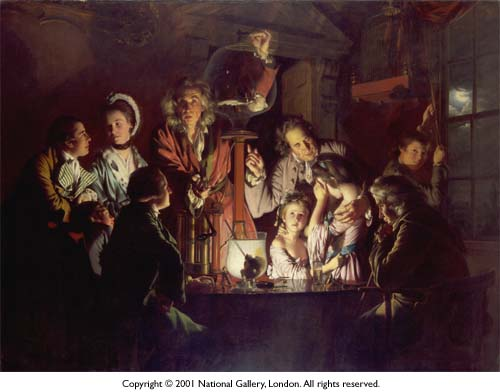
The painting dates from 1768. It is a composed scene, not a photograph of Robert Boyle conducting an experiment. That distinction matters because an image can explain an idea without documenting an exact event. Look at the bird and the reactions around it. The scene also raises an ethical question: producing knowledge does not settle whether every way of producing it is acceptable.
Our opening question concerns evidence and authority. A demonstrator may know much more than the audience, but a convincing account should make room for questions. How does the apparatus work? Could a leak change the result? Would another person obtain the same outcome? These are useful questions even when we cannot personally repeat an experiment.
Keep this room in mind throughout the lecture. We will return to its central problem in books, instruments, academies and public debates: how can knowledge become something that other people can examine, rather than something they must simply accept?
Further reading: National Gallery: the air-pump painting.
2. 15th–18th centuries: the chronological route
We now return to the historical sequence. In the fifteenth and sixteenth centuries, printing, workshops and the study of ancient texts created new opportunities to compare claims. During the seventeenth century, instruments and mathematical explanations changed what investigators could observe and describe. In the eighteenth century, encyclopedias and public discussion widened arguments about who should have access to knowledge.
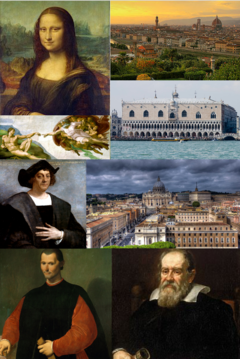
These are overlapping developments. A new book did not make every older practice disappear, and an instrument did not automatically settle its own interpretation. Scholars continued to work with inherited ideas while modifying some of them. The term Renaissance helps us discuss renewed interest in classical learning, artistic practice and human capacities, but it does not describe a single event with one starting date everywhere.
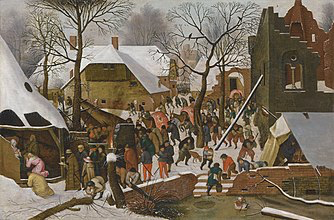
The Northern Renaissance image brings ordinary surroundings into view. Artistic work can direct close attention toward bodies, materials, domestic space and perspective. That does not make every painting a scientific experiment. It reminds us that careful observation and technical skill were valued in several connected activities.
We should also remember the exchanges studied in the previous lecture. European scholars inherited material that had travelled through Greek, Arabic and Latin traditions. The story ahead builds on those connections. It is not the sudden appearance of curiosity in a world that previously lacked it.
3. 15th century: printing and the circulation of claims
Consider what happens when many readers can consult copies of the same page. A teacher can point to a particular diagram. A critic can identify an error precisely. A later author can respond to an argument without depending entirely on someone’s recollection of it. Printing changed the scale and organization of these activities.
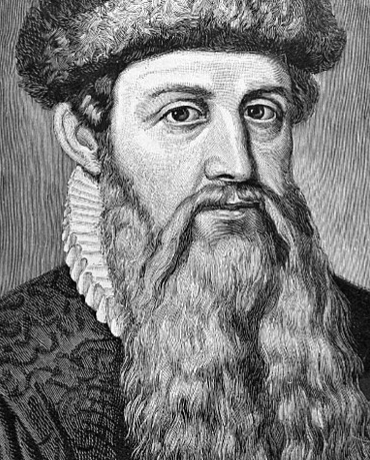
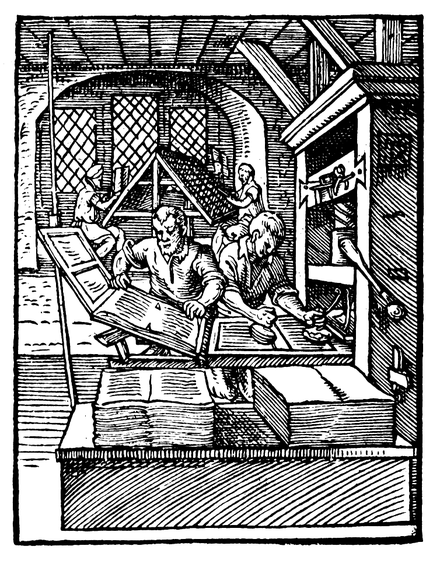
Gutenberg’s workshop in Mainz belongs to the development of European printing with movable metal type in the mid-fifteenth century. Printing had a longer history in East Asia, including movable type. We therefore distinguish the development of a successful European production system from the invention of printing everywhere in the world.
A press needs more than an idea. Type must be made, arranged and reused; ink and paper must work together; someone must finance the work and distribute the copies. Printers, craftspeople and booksellers are part of the history of knowledge. The workshop image makes those practical requirements visible.
More copies do not guarantee that a claim is true. They can spread an error just as efficiently as a correction. What changes is the opportunity to compare versions, identify disagreements and circulate a response. Ask yourself which features of printing made correction easier, and which forms of control could still prevent an unwelcome argument from reaching readers.
Further reading: Gutenberg Museum: chronology; UNESCO: Jikji.
4. Workshops, drawing and practical problems
Before following the famous books of astronomy, look at the practical problems around them. How do we lift a heavy load? How can a mine remain usable when water enters it? How can a mechanism turn circular motion into another kind of movement? Such questions connect craft knowledge, drawing and mathematical reasoning.
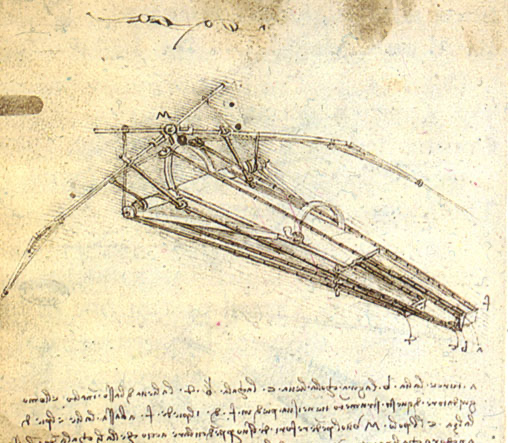
The drawings associated with Leonardo show the value of representing an object carefully. A drawing can make a proposed arrangement discussable before someone builds it. It does not, by itself, establish that the device was constructed or that it worked as intended. When reading a historical design, we should keep proposal, construction and successful operation separate.
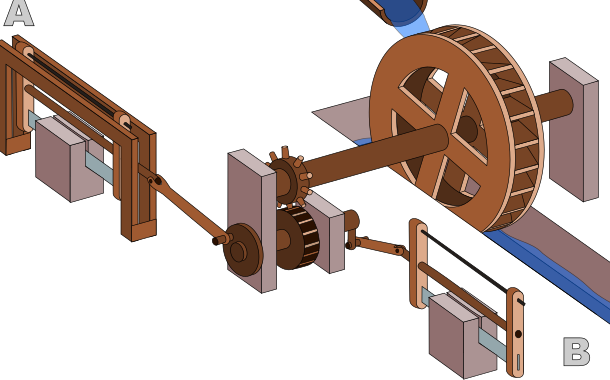
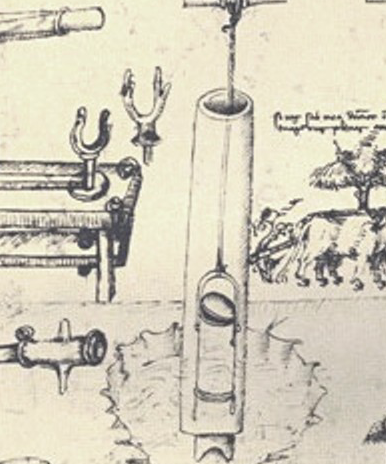
A crank, pump or water-powered mechanism also depends on materials and skilled maintenance. A diagram may show the geometry clearly while leaving friction, leakage or wear largely invisible. This gives us a useful way to read technical images: ask both what the drawing explains and what a working machine would still require.
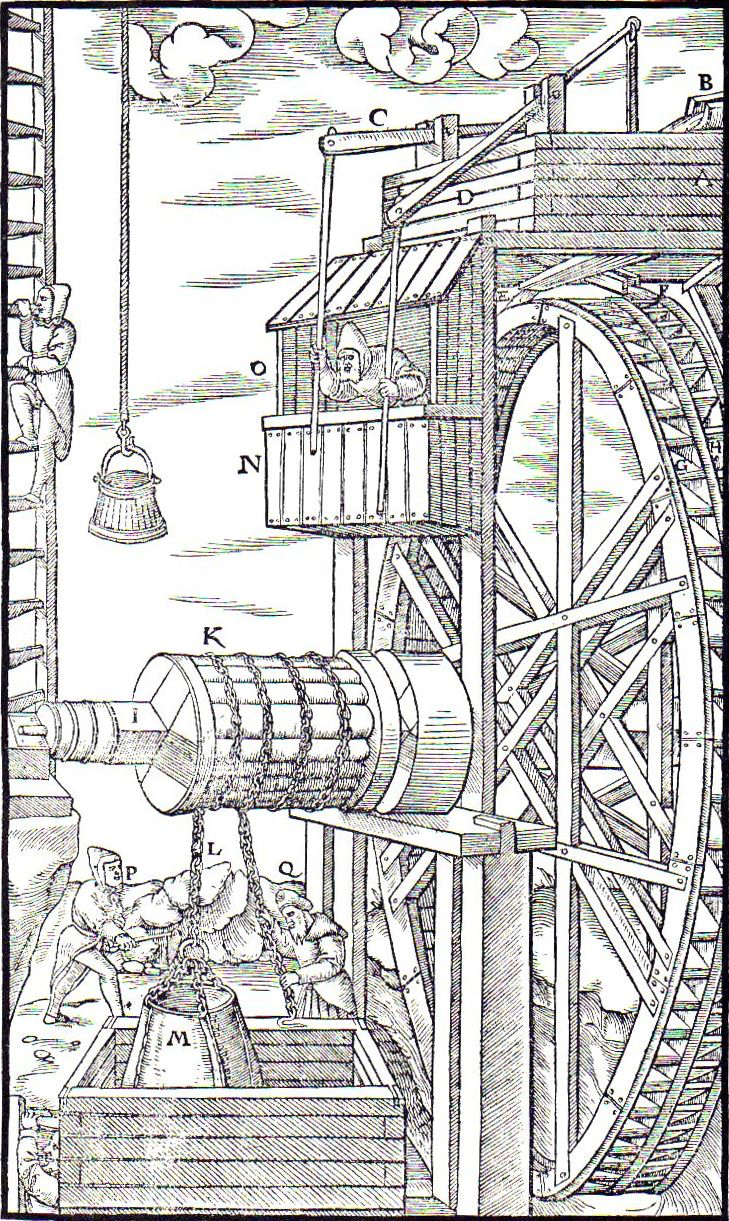
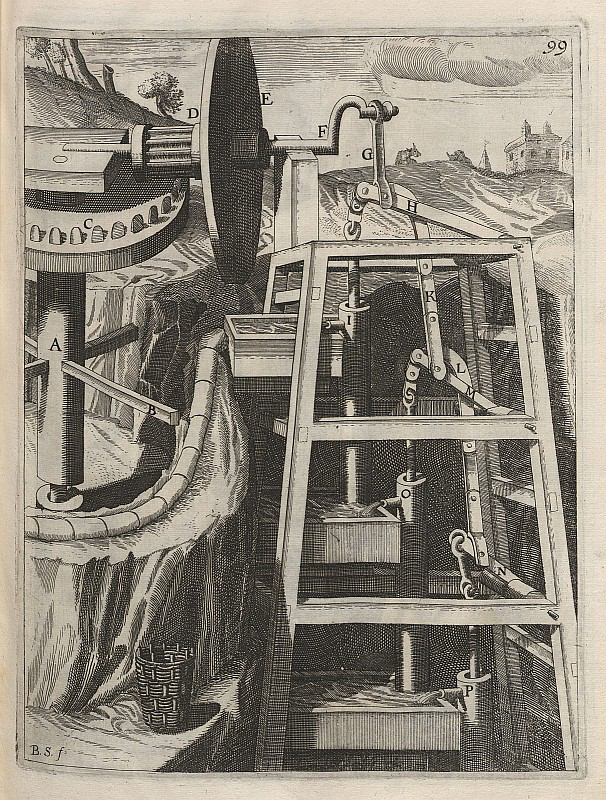
Navigation and overseas expansion increased demand for maps, instruments and reliable procedures. These activities also belonged to histories of conquest, forced labour and unequal exchange. Technical usefulness and social benefit are not identical. We can recognize the knowledge involved while asking who gained from its application and who bore the costs.
5. 1543: reconsidering the arrangement of the heavens
Two books published in 1543 provide a useful comparison: Copernicus’s work on the heavens and Vesalius’s work on the human body. Both engaged with long intellectual traditions. Neither should be reduced to the slogan that one brave observer suddenly replaced all previous knowledge. We begin with astronomy, then return to anatomy.
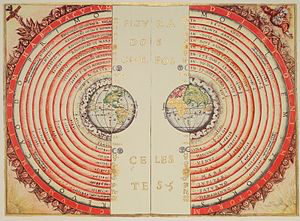
In an Earth-centred arrangement, explaining the changing positions of planets required a mathematical account of what observers saw. Copernicus reorganized the system by placing the Earth among the planets moving around the Sun. This changed the relationship between the observer and the observed motions. It did not immediately answer every physical question about a moving Earth.
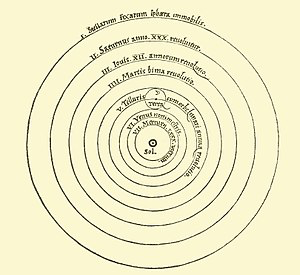
Think of overtaking another vehicle. Its motion relative to you differs from its motion relative to the road. The analogy helps explain why a planet can appear to reverse direction against the background stars without literally reversing its orbit. An apparent motion depends on where the observer is moving as well as on what the observed object is doing.
Tycho Brahe’s measurements and Kepler’s later analysis show why the next steps mattered. Kepler used elliptical planetary orbits rather than insisting on combinations of uniform circles. Better observations could put pressure on an attractive mathematical arrangement. This was an extended process of comparison, revision and argument, not an instant victory produced by the publication of one book.
The earlier lecture raised the relationship between Islamic mathematical astronomy and Copernicus. Similar constructions, including the Tusi couple, deserve attention, but the exact routes of transmission remain debated. Resemblance is a reason for historical investigation; it does not by itself identify a particular book, teacher or journey through which an idea travelled.
Further reading: NASA: Kepler’s laws; University of St Andrews: al-Tusi.
6. 17th century: what a telescope can establish
A telescope changes what an observer can see, but it also introduces another question: can the instrument be trusted? Galileo’s observations brought mountains and shadows on the Moon, the moons of Jupiter and the phases of Venus into arguments about the heavens. A reader needed to consider both the reported appearances and the reliability of the observing procedure.
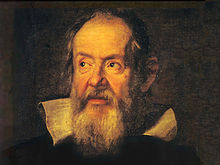
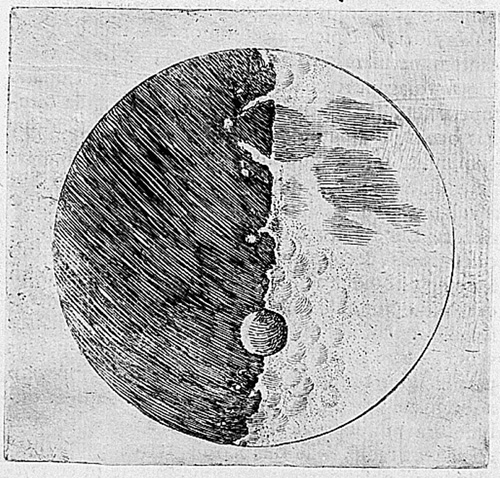
The moons of Jupiter offer a particularly clear reasoning exercise. If these small bodies revolve around Jupiter, then not everything revolves directly around the Earth. That is an important challenge to one claim. It does not logically follow that this observation alone proves every part of a Sun-centred system.
The phases of Venus provide another distinction. The observed sequence was incompatible with the traditional Ptolemaic arrangement, but it could also be accommodated by a Tychonic system in which Venus moved around the Sun and the Sun moved around the Earth. Evidence can eliminate one explanation while leaving more than one alternative available.
This is why we separate observation from conclusion. State what was seen, identify which claim it challenges, and ask what further evidence is needed. The method is useful far beyond astronomy. A result becomes more informative when we can explain exactly what it supports and what remains undecided.
Further reading: Museo Galileo: phases of Venus.
7. 1633 and 1638: authority, conflict and continued work
Galileo’s trial in 1633 shows that disputes about knowledge occur within institutions that possess real power. He was convicted and placed under house arrest. He was not executed. The painting of the trial is a later representation, so it should not be treated as an eyewitness record of the courtroom.
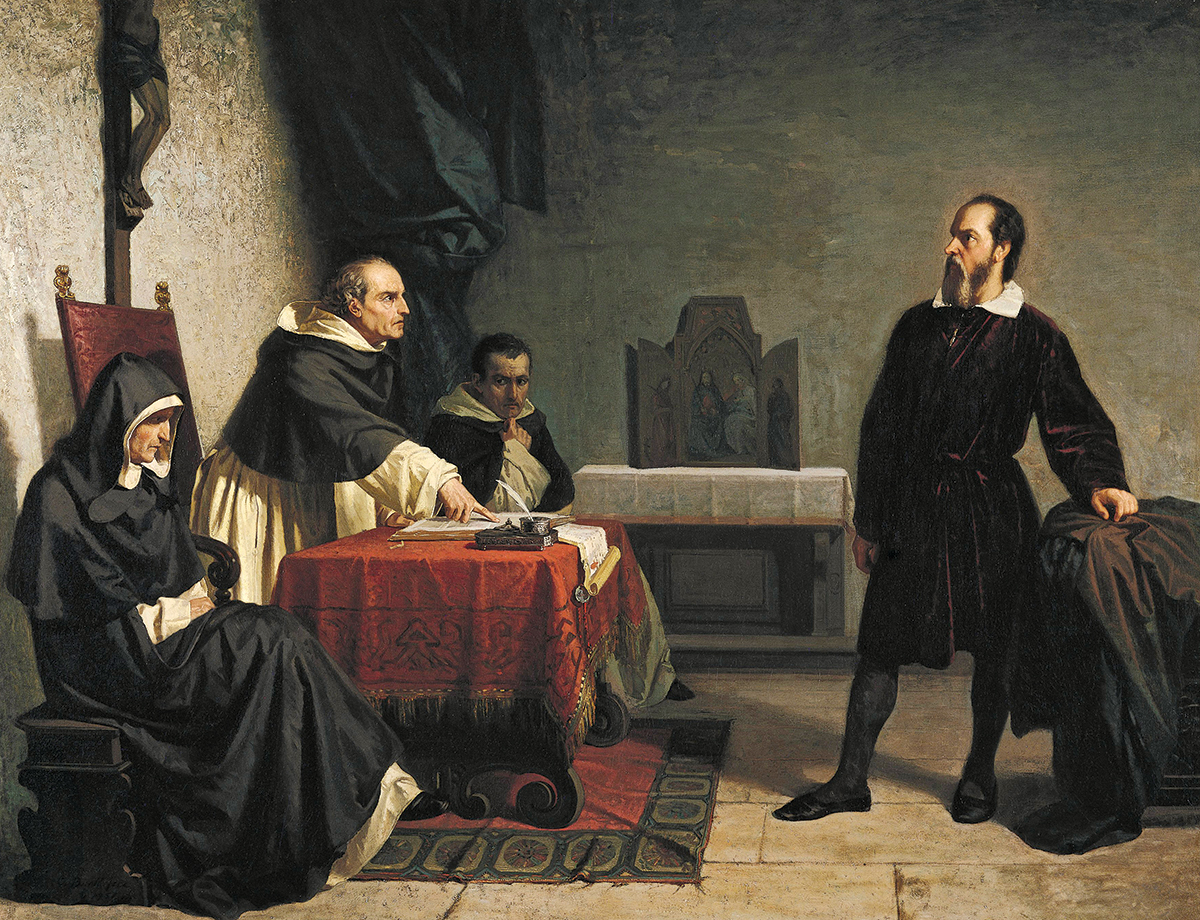
The episode raises serious questions about the freedom to investigate and publish. At the same time, turning the entire history of religion and science into one unchanging conflict would hide the differences among people, institutions and periods. We can discuss the constraints imposed on Galileo precisely without making every scholar or religious authority occupy the same position.
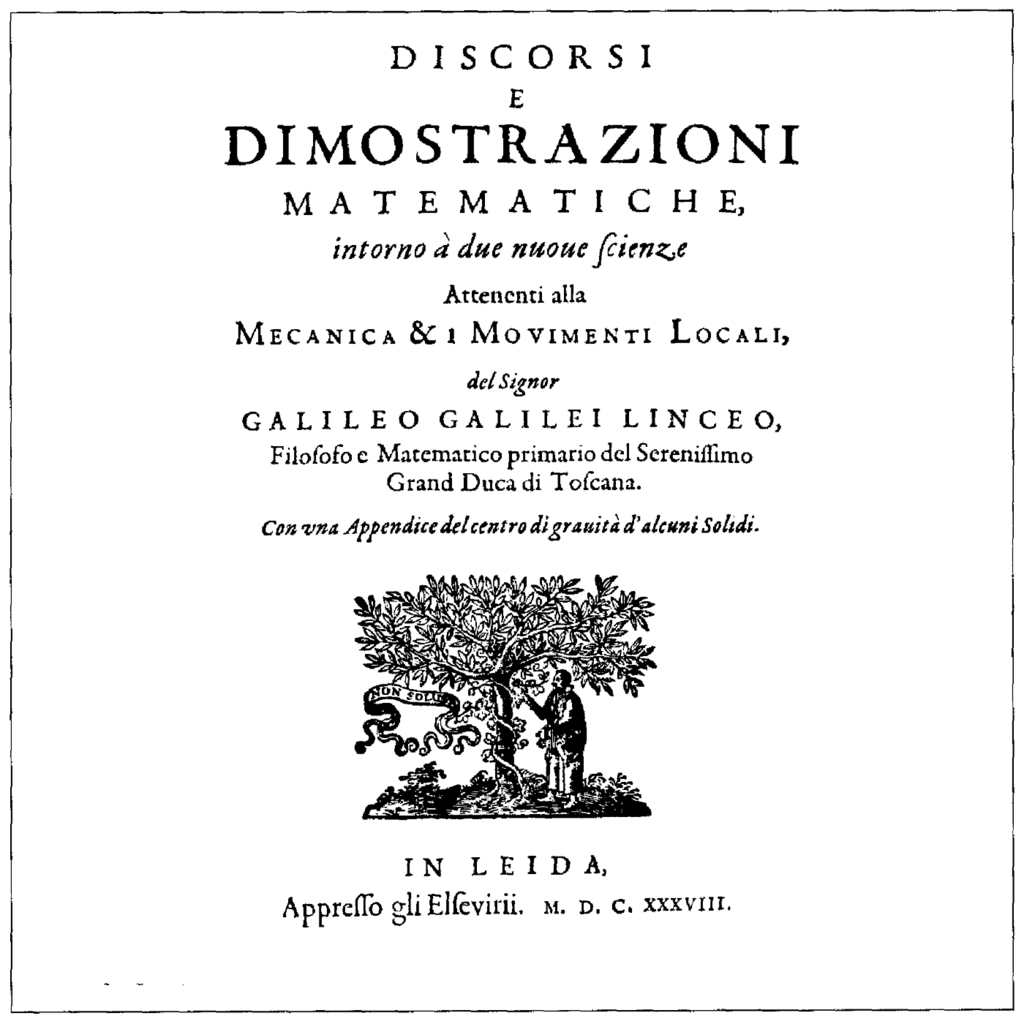
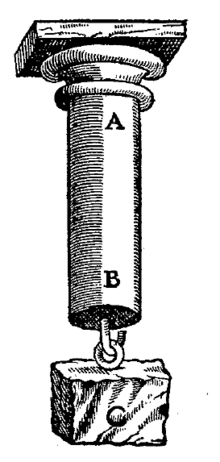
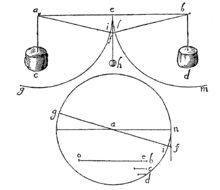
His work continued. The 1638 book commonly called Two New Sciences, published in Leiden, addressed motion and the strength of materials. Notice how the subject extends beyond the telescopic observations for which he is famous. Mathematical arguments about bodies and materials also belong to this changing approach to natural knowledge.
The practical lesson is about the conditions of inquiry. A person may possess strong arguments and still lack the freedom or means to circulate them. Institutions can protect discussion or restrict it. This connects Galileo’s situation with our opening audience: who is allowed to ask a difficult question, and what happens when the answer challenges an authority?
Further reading: Stanford Encyclopedia: Galileo.
8. 1543–1628: anatomy, circulation and a quantitative question
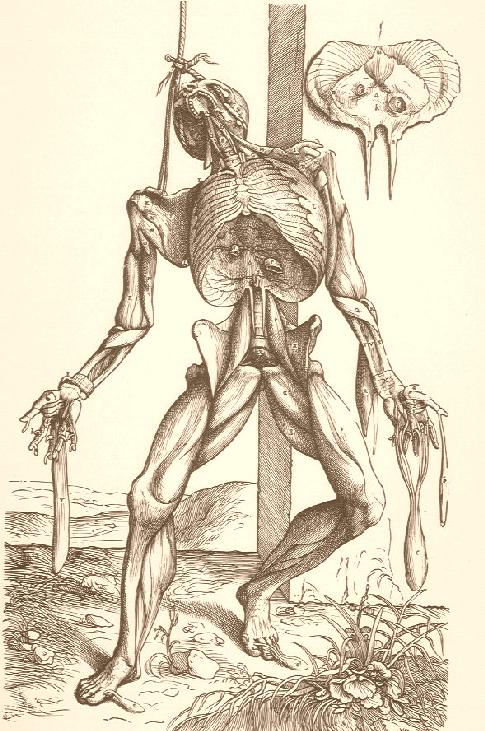
We return to 1543 to follow a second, overlapping thread. Vesalius’s De humani corporis fabrica combined anatomical description with detailed illustrations. The body became something readers could examine through an organized visual account, while dissection allowed inherited descriptions to be checked against human anatomy.
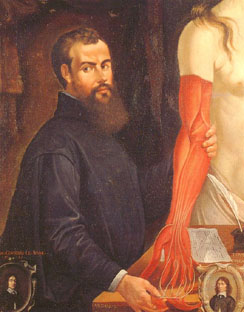
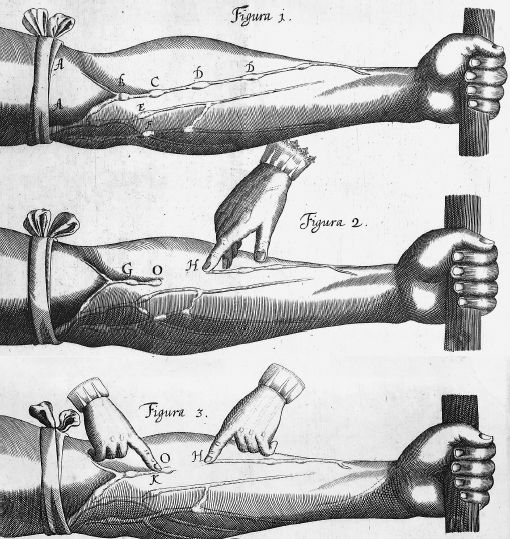
In 1628, William Harvey published his account of the circulation of the blood. His reasoning connected the action of the heart, the direction permitted by valves and the amount of blood that would have to be produced if it were continually consumed rather than circulated. The circulation argument belongs to a longer history of anatomical and physiological investigation.
Let us use an illustrative calculation. Suppose a heart moved 50 millilitres with each beat and beat 60 times per minute. Multiplication gives 3 litres per minute, or 180 litres per hour. These are teaching assumptions, not measurements from Harvey’s experiment and not an individual medical assessment. Their purpose is to make the scale of the question understandable.
If a body were continually making and consuming blood at such a rate, where would all that material come from and go? The calculation does not establish every detail of circulation by itself. Combined with anatomical observations and experiments, however, a quantity can make one explanation much harder to maintain. A rough but meaningful estimate can expose a problem that a verbal description leaves hidden.
Further reading: National Library of Medicine: Vesalius; Historical review of Harvey’s circulation argument.
9. 1600–1637: experiment, induction and reasoning
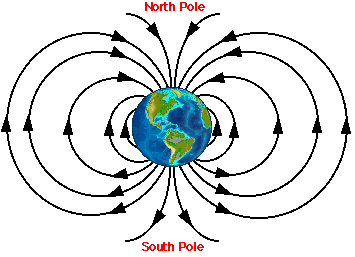
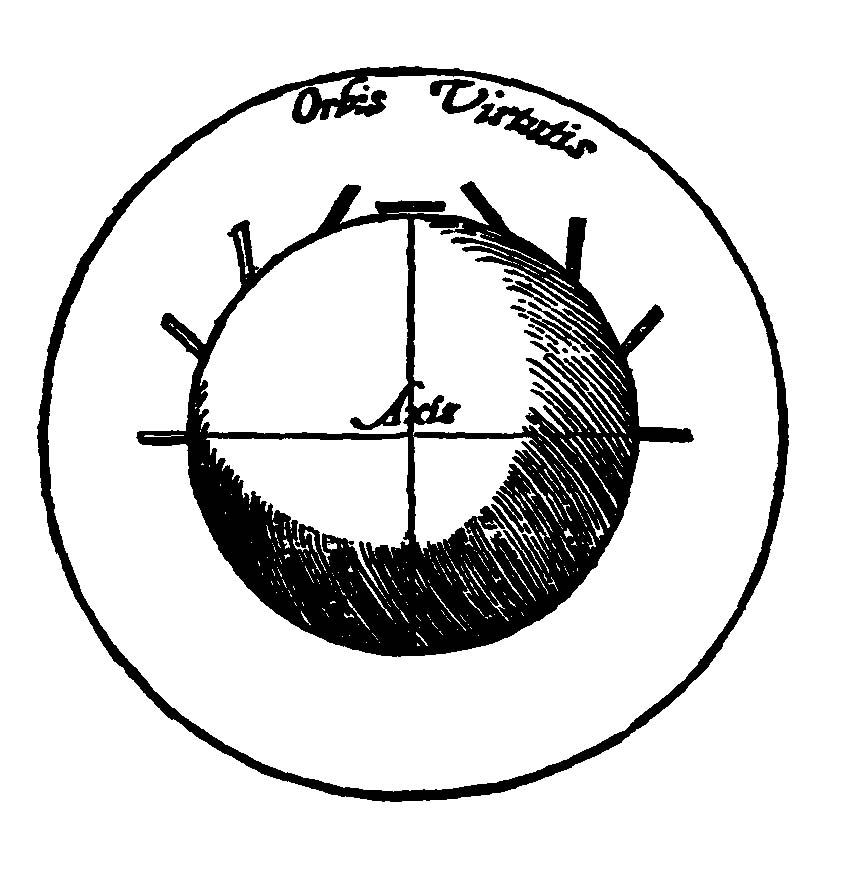
William Gilbert’s De Magnete, published in 1600, investigated magnetism through observations and experiments. The compass provides a familiar starting point: an ordinary useful object can also become the basis for a question about nature. What produces its direction, and how can different proposed explanations be compared?
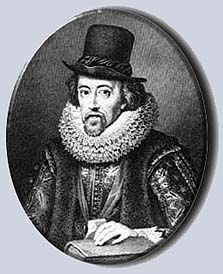
Francis Bacon emphasized organized inquiry and the correction of habits that distort judgment. His contrast among collecting, reasoning and transforming material helps us think about the relationship between experience and explanation. Accumulating observations is not enough if we never ask how they bear on a question. Reasoning is also vulnerable when it becomes detached from the world it is supposed to explain.
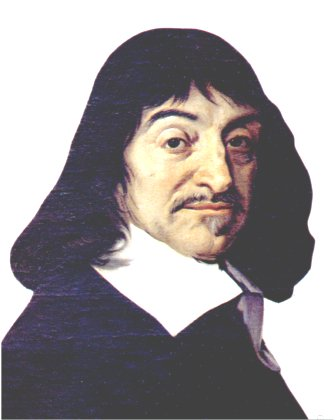
Descartes emphasized orderly reasoning, analysis and the search for secure foundations. For our purposes, Bacon and Descartes illustrate different emphases within an argument about how knowledge should be pursued. We should not turn them into two simple recipes that every later investigator followed without variation.
Look back at astronomy and anatomy. Neither observation nor reasoning could do all the work alone. Instruments, mathematical models, comparison with earlier texts and the design of tests contributed in different ways. The phrase scientific method is useful when it invites us to examine those practices; it becomes misleading when it suggests that every scientific question has always followed one fixed sequence.
Further reading: Museo Galileo: Gilbert; Stanford Encyclopedia: Bacon; Stanford Encyclopedia: Descartes’s method; Stanford Encyclopedia: scientific method.
10. 1644–1648: air has weight
Air is easy to overlook because we move through it without seeing it. The mercury-column experiment associated with Torricelli made atmospheric pressure visible through a measurable effect. A column could remain supported with space above it because the surrounding air pressed on the mercury in the reservoir.
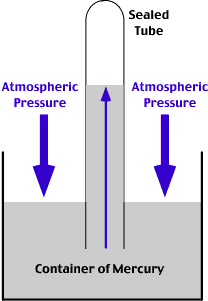
The important change is explanatory. Instead of treating an empty space as something nature simply refuses to permit, we can investigate the balance of pressures. The height of the column then becomes a quantity that can be compared under different conditions. The experiment is associated with Torricelli’s work in the 1640s and his 1644 account.
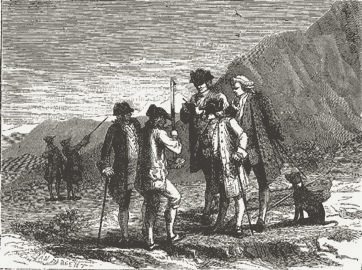
Pascal’s altitude investigation in 1648 tested a consequence of this explanation. If the pressure comes from the atmosphere, a higher location should have less air above it and a different column height. The comparison used a mountain setting to vary a condition that could not easily be changed inside a room.
Ask what makes this more than a striking demonstration. The proposed explanation leads to an expectation about another situation. A measurement can then support or challenge that expectation. Our opening question returns: the apparatus matters, but so does the reasoning that tells us what result should occur and why.
Further reading: Museo Galileo: Torricelli; Museo Galileo: Pascal’s experiment.
11. 17th century: pumps, measurements and a relationship
Robert Boyle’s experimental work depended on apparatus and collaboration, including Robert Hooke’s skilled work with the air pump. A pump was not a transparent window onto nature. It could leak, fail or behave differently depending on how it was assembled and operated. Practical competence was part of the evidence.
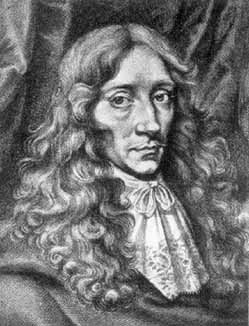
The pressure–volume relationship associated with Boyle gives us a manageable example of a quantitative law. For a fixed amount of gas at constant temperature, pressure and volume vary inversely within the range where the idealized relationship is useful. Doubling the pressure corresponds to halving the volume under those conditions.
The conditions belong to the claim. If we heat the gas, allow some to escape or push the model beyond its useful range, we should not expect the same simple comparison. A scientific relationship is stronger when its scope is clear. Naming the assumptions is part of explaining it, not a reason to dismiss it.
Now return mentally to Wright’s painting. The public scene makes experimentation visible, while the work behind a reliable result includes controls, maintenance and careful description. The most spectacular moment may be only a small part of what makes the conclusion defensible.
Further reading: Science History Institute: Boyle.
12. 1660–1665: a community that can respond
An investigator needs other people who can understand a claim well enough to question it. The Royal Society, founded in 1660, helped organize meetings, demonstrations, correspondence and the circulation of reports. Its institutional history makes visible the continuing work required to sustain inquiry beyond a single person’s lifetime.
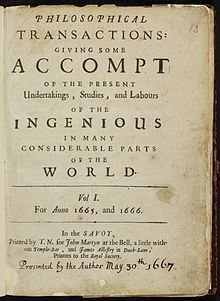
In 1665, Henry Oldenburg began Philosophical Transactions. A periodical could communicate observations and arguments in instalments instead of waiting for a large book. Reports became part of an ongoing conversation. Readers could learn what others were working on and identify matters that deserved further examination.
We should avoid projecting the exact procedures of a modern journal onto its earliest issues. Editorial arrangements and standards of review changed over time. The important development here is an organized channel for communicating and responding to claims, with all the difficulties of trust, priority and selection that such a channel involves.
Participation was also unequal. The existence of a learned society did not mean that everyone had the education, money or social access needed to join its discussions. Institutions can increase the capacity to examine evidence while still excluding many potential contributors. That tension will remain important when we reach the Enlightenment.
Further reading: Royal Society: institutional history; Royal Society: Philosophical Transactions.
13. 1687: bringing motion into a mathematical account
Newton’s Principia appeared in 1687. It connected laws of motion with a mathematical account of gravitation, bringing terrestrial and celestial phenomena into a common framework. The significance lies partly in that connection: falling bodies and planetary paths could be addressed through related principles.
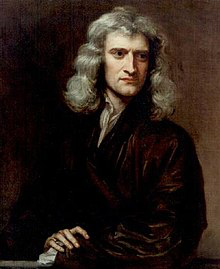
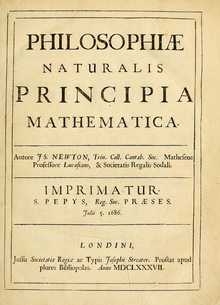
The notation on the slide expresses force as the rate of change of momentum, F = dp/dt. For constant mass, the familiar form is F = ma. We use modern notation to explain the relationship; the slide is not a facsimile of Newton’s original mathematical presentation. A formula helps only when we also understand the quantities and conditions involved.
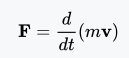
A successful mathematical account can organize many observations and suggest new calculations. It still depends on how accurately quantities are measured and on whether the assumptions suit the problem. Mathematical expression makes a claim precise enough to test; it does not exempt it from testing.
Newton worked within a much wider community. Hooke, Huygens, Halley and Leibniz belong to the discussion of instruments, motion, mathematics and communication. Their relationships included assistance and disagreement. Keeping these people in view prevents the history from becoming a list of isolated geniuses who produced complete systems without an intellectual environment.
Further reading: Royal Society: institutional history.
14. 18th century: organizing useful knowledge
The Enlightenment brings the social purpose of knowledge into especially visible debate. Could people improve education, government and everyday life through criticism and reasoned inquiry? Different writers answered differently. The term describes a varied intellectual movement, not a single programme accepted throughout Europe or the world.
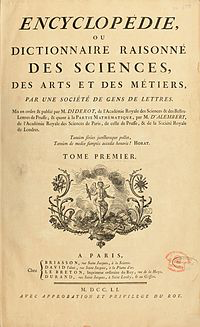
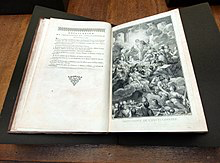
The Encyclopédie, associated with Diderot and d’Alembert, is an important example. Its original publication included seventeen volumes of text and eleven volumes of plates between 1751 and 1772. The project placed arts, crafts and technical practices alongside more conventionally learned subjects. Organizing such material made a statement about what deserved to count as knowledge.
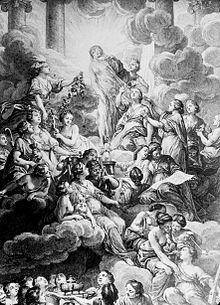
Look closely at the images. A plate can explain the arrangement of tools or stages of work that a reader might never see in person. It can also leave out tacit skills learned through practice. The frontispiece uses allegorical figures to make a different kind of argument about truth and understanding. Technical illustration and symbolic representation should be read differently.
Publication required contributors, editors, money, distribution and permission to operate. Censorship and political pressure shaped what could circulate. The project therefore connects intellectual ambition with institutional conditions. Wanting knowledge to be available is one thing; building and protecting the means of access is another.
Further reading: University of Chicago: ARTFL Encyclopédie; Stanford Encyclopedia: Enlightenment.
15. Salons, public discussion and Kant’s question
The salon painting invites us to imagine conversation as part of intellectual life. It is a later representation of an eighteenth-century setting. We can use it to discuss the role of hosts, gatherings and reputation without assuming that every detail records one observed meeting.
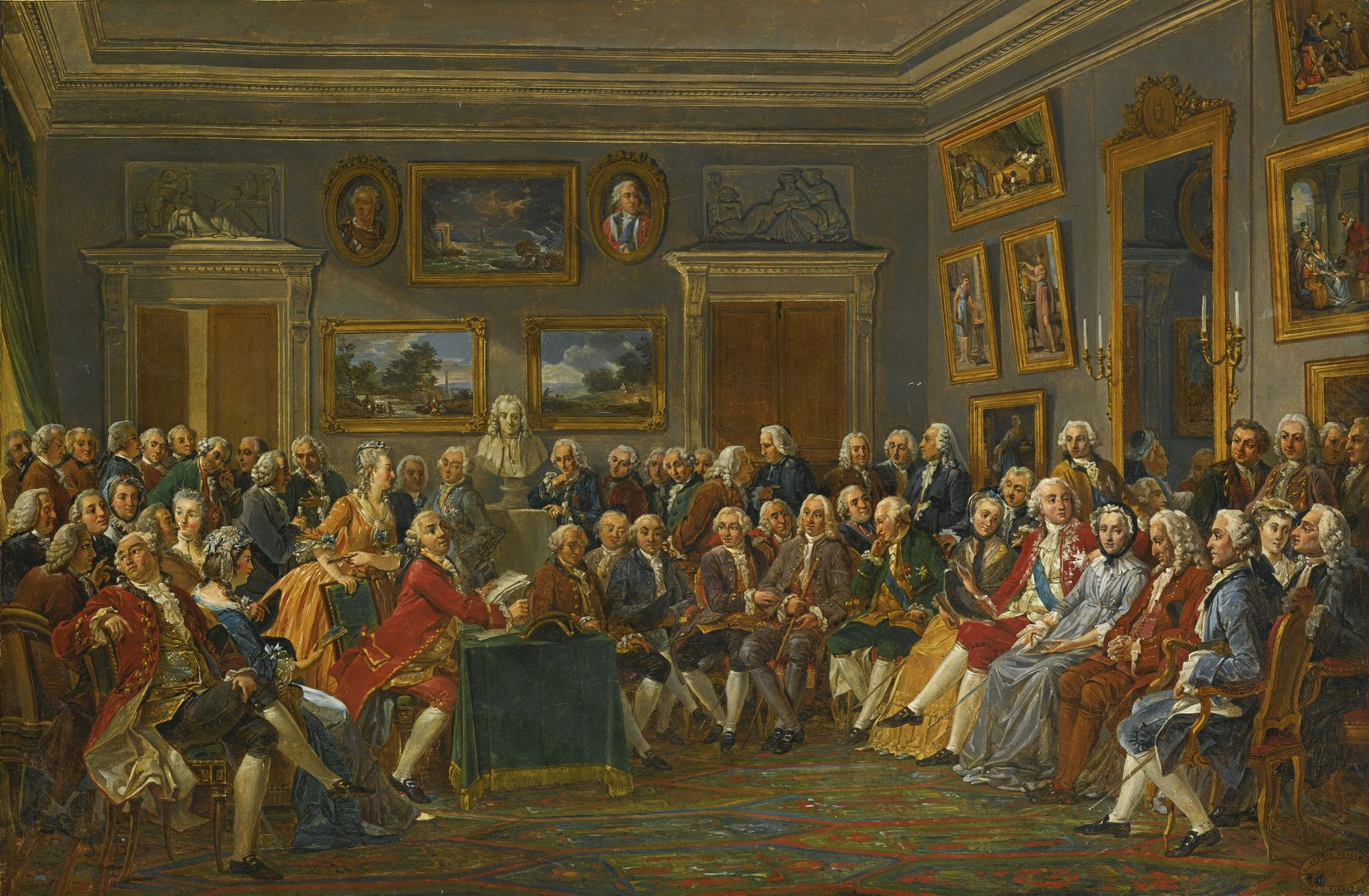
Who had time to attend such conversations? Who received an invitation, learned the necessary language or could afford the books being discussed? Public knowledge always has a practical question of access. A discussion can be wider than a court or university and still remain limited by social position.
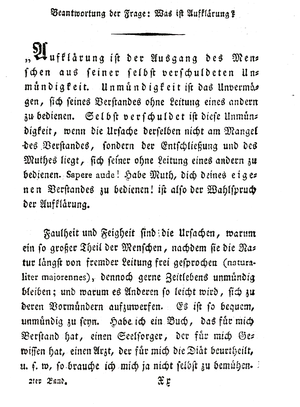
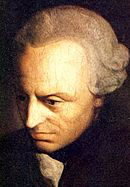
In his 1784 essay on Enlightenment, Kant emphasized the use of one’s own understanding and the importance of public reasoning. His distinction between public reasoning and duties performed in an official role is more complicated than a general permission to ignore all rules. The useful question for us is how a society can permit criticism while organizing its shared activities.
Our opening audience now has a larger setting. The issue is no longer only whether a person can see an experiment. It is whether people can learn enough to judge an argument, communicate disagreement and expect a response. Education and freedom of discussion affect the quality of the conversation.
Further reading: Stanford Encyclopedia: Kant’s reason.
16. Late 18th century–1801: an argument produces a new device
Galvani’s work with frog preparations connected muscular response with electrical phenomena. The striking movement invited an explanation, but observing a twitch did not automatically identify where the electricity came from. Different arrangements and different materials could change what an experiment seemed to show.
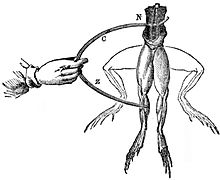
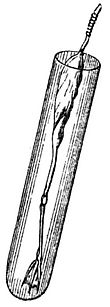
Volta investigated the role of contacts between materials and developed the pile announced in 1800. The device provided an electrical source without requiring an animal preparation. This was a powerful result, but we should not turn it into the claim that living bodies have no electrical activity. A successful explanation of one apparatus does not settle every related biological question.
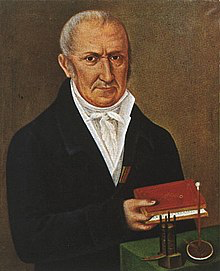
The representation of Volta demonstrating to Napoleon brings patronage back into view. The 1801 demonstration shows why an invention can matter to political leaders as well as investigators. Recognition and support can help work continue, while the desire for prestige may influence what receives attention.
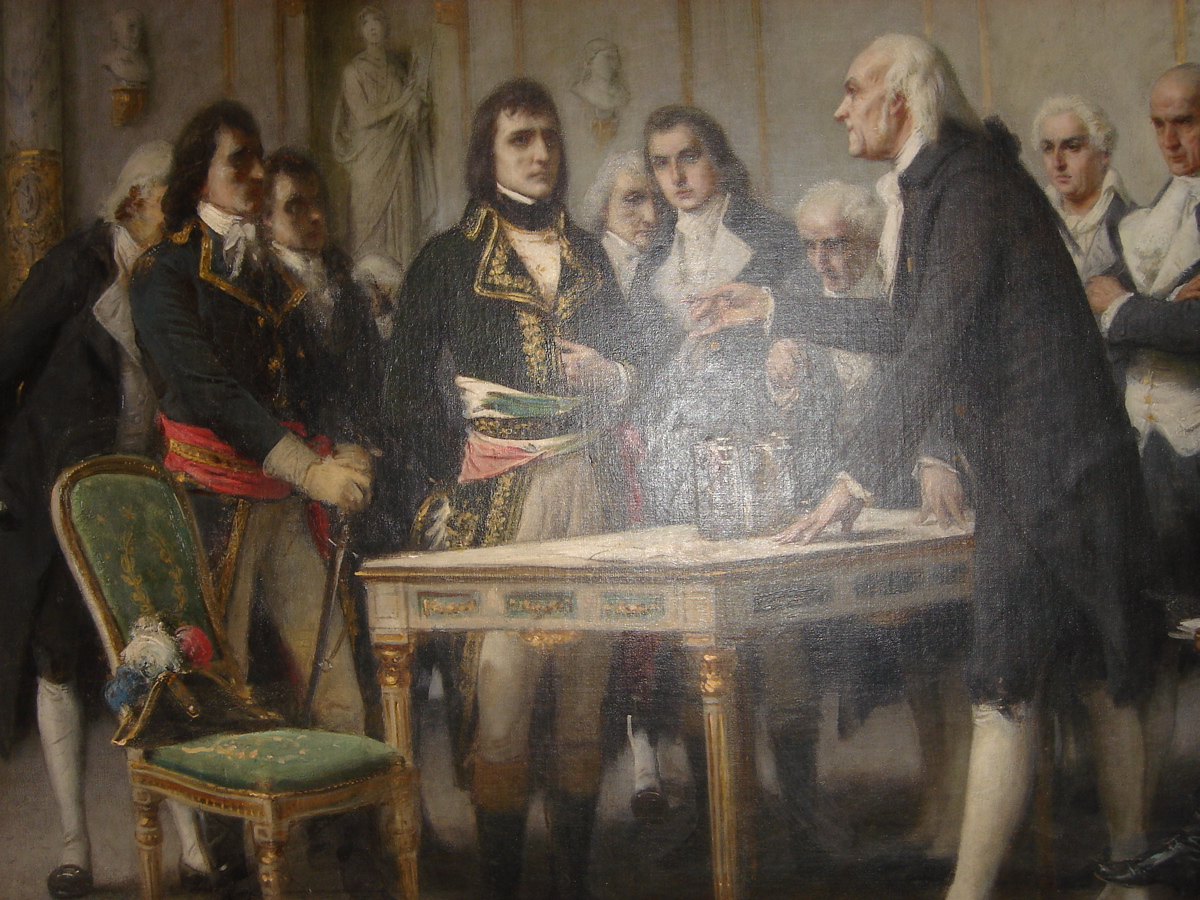
Compare this scene with the air-pump painting. Both make knowledge visible before an audience. In both, the audience may be impressed without understanding every detail of the apparatus. Our question remains the same: what opportunities exist to examine the claim after the performance is over?
Further reading: Museo Galileo: the battery.
17. What changed, and what should a patron support?
Across these cases, knowledge becomes easier to compare when claims are attached to diagrams, measurements, published arguments and procedures that others can examine. Instruments extend observation; mathematics relates quantities; institutions help people communicate. None of these works automatically or independently of the others.
Consider a patron who offers to pay for excellent instruments but insists that all results remain private and that researchers avoid questions the patron dislikes. Would that arrangement make science prosper? It could make particular investigations possible, so the benefit is real. Yet restricted communication would make independent checking and wider learning more difficult.
A strong answer distinguishes resources from the conditions under which resources are used. Support should include skilled people, maintenance, education and opportunities for criticism. Public access may require suitable explanations rather than simply placing difficult documents in a library. Different audiences need ways to understand what they are being asked to trust.
This is also an opportunity to connect with the course’s earlier discussion of top-down decisions. Leadership can establish institutions and create opportunities. Sustained inquiry additionally needs practices that allow errors to be found, disagreements to be considered and new contributors to learn. The quality of the institution matters alongside the size of the initial decision.
18. Review questions and model reasoning
Why did printing matter for science? A useful answer goes beyond saying that books became more common. Multiple copies allowed readers to compare the same passage, circulate criticism and preserve a response. Printing increased the reach of claims, including mistaken ones, so its contribution depends on practices of examination and correction.
What did Galileo’s observations establish? The moons of Jupiter challenged the claim that every celestial body revolved directly around the Earth. The phases of Venus challenged the traditional Ptolemaic arrangement. Neither observation, on its own, decided every question about all competing systems. Good reasoning specifies the conclusion supported by each result.
How does Harvey’s example connect quantity with explanation? An estimate of the amount of blood moved in a period of time makes continual production and consumption difficult to explain. Anatomy and experiments provide additional evidence. The calculation is useful because it constrains an explanation rather than simply decorating it with a number.
What connects the Royal Society, the Encyclopédie and our opening demonstration? Each concerns how knowledge reaches other people and how those people may respond. Communication, access and criticism are part of the conditions of inquiry. In the next lecture, we will examine Ottoman institutions and scientific encounters through similarly concrete questions, avoiding the assumption that every society followed an identical timetable.
19. Reference: upheaval and Copernicus’s wider setting
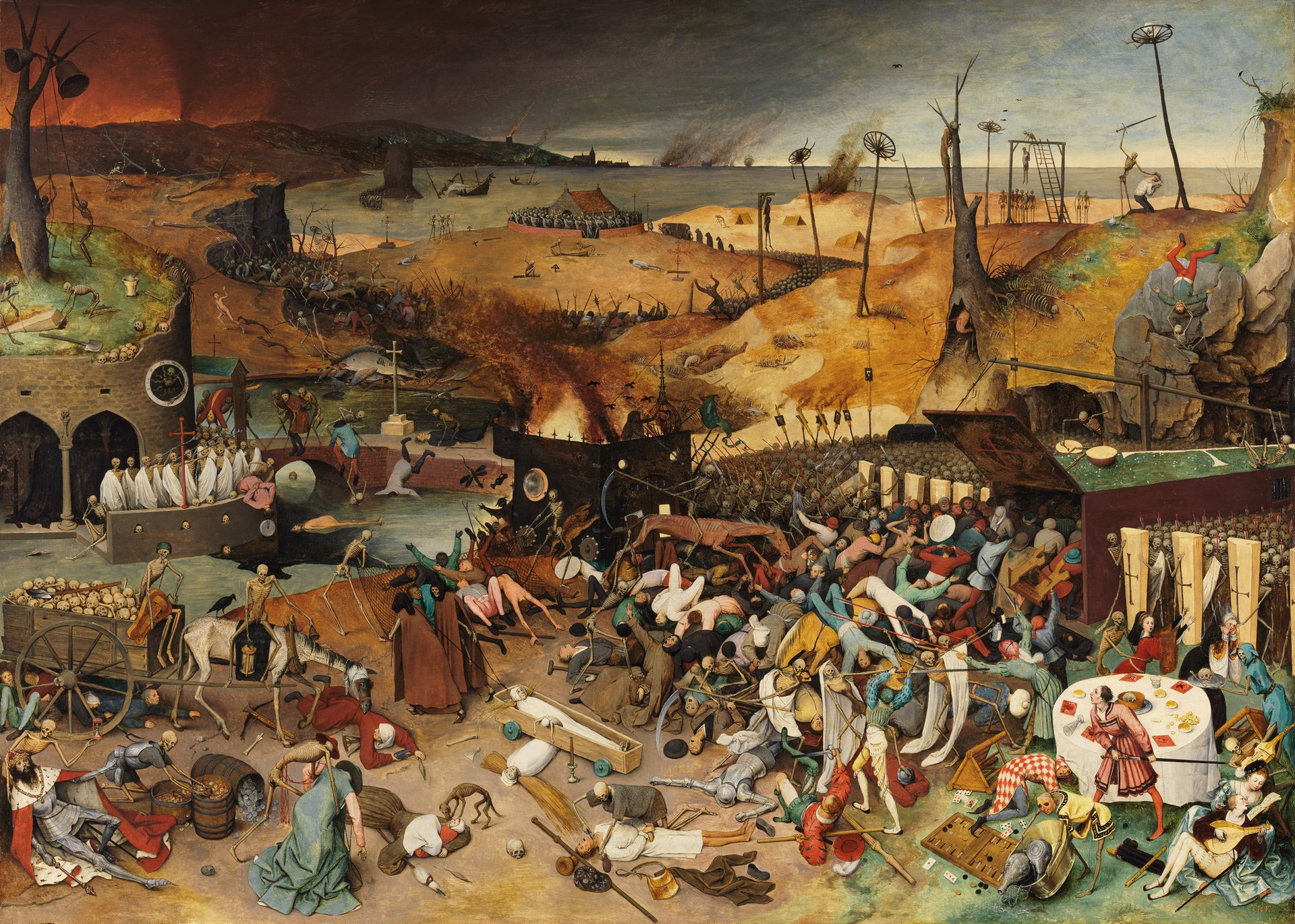
The Black Death image provides background to the long transformation of European society. It is a later artistic representation, not a contemporary record proving that scientific activity stopped in 1348. Epidemic disease can disrupt communities profoundly without supplying a complete explanation for every later intellectual development.
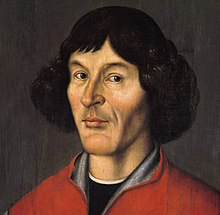
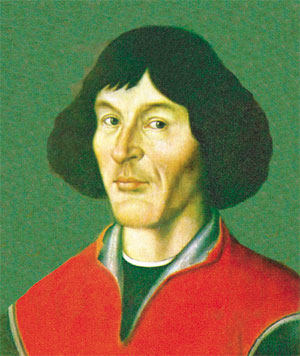
The additional Copernicus images preserve two useful kinds of context: a representation of the person and an arrangement of the planetary system. The education and interests lists remind us that historical scholars often worked across subjects that are now separated into departments. Those lists are context for discussion rather than a set of achievements to memorize without examining their evidence.
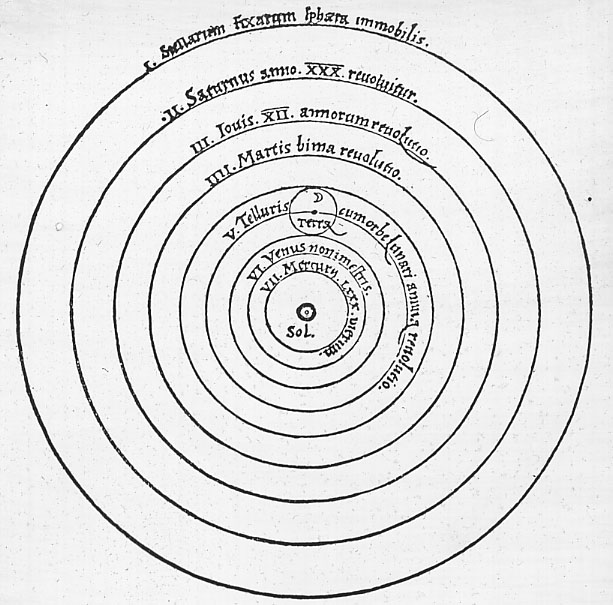
The Renaissance also involved political and religious conflict. The Reformation and Counter-Reformation affected educational institutions and access to texts. The geographical spread of humanist work involved writers such as Erasmus, Rabelais and Ronsard, and later English literary figures such as Shakespeare and Marlowe. These examples broaden the cultural setting without making literary achievement a test of an astronomical model.
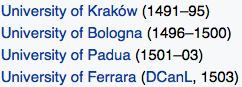
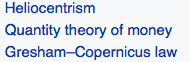
A portrait cannot tell us whether a mathematical model is correct. A model diagram cannot tell us everything about the circumstances in which it was developed. Read these forms of evidence together while keeping their different purposes clear.
20. Reference: diagrams, conflict and the study of motion
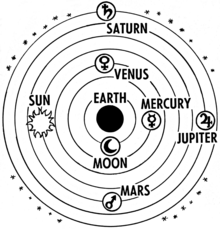
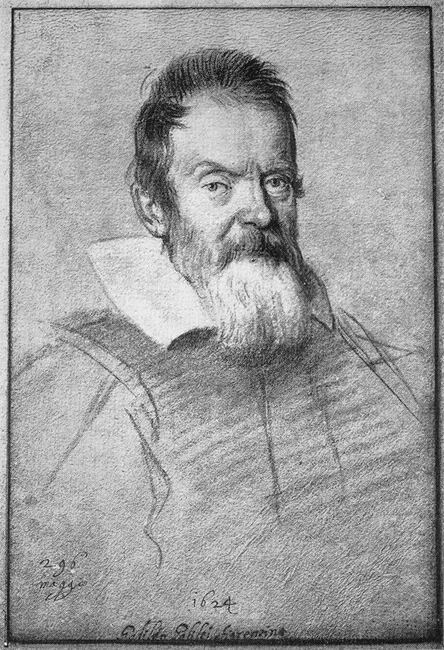
The additional astronomical schematic needs care: its planetary order is nonstandard, so it should not be used to learn the correct order of the planets. It remains here as an opportunity to ask what an illustration communicates and where it can mislead. The accompanying Galileo portrait identifies the person associated with the discussion; it provides no independent proof of a scientific claim.
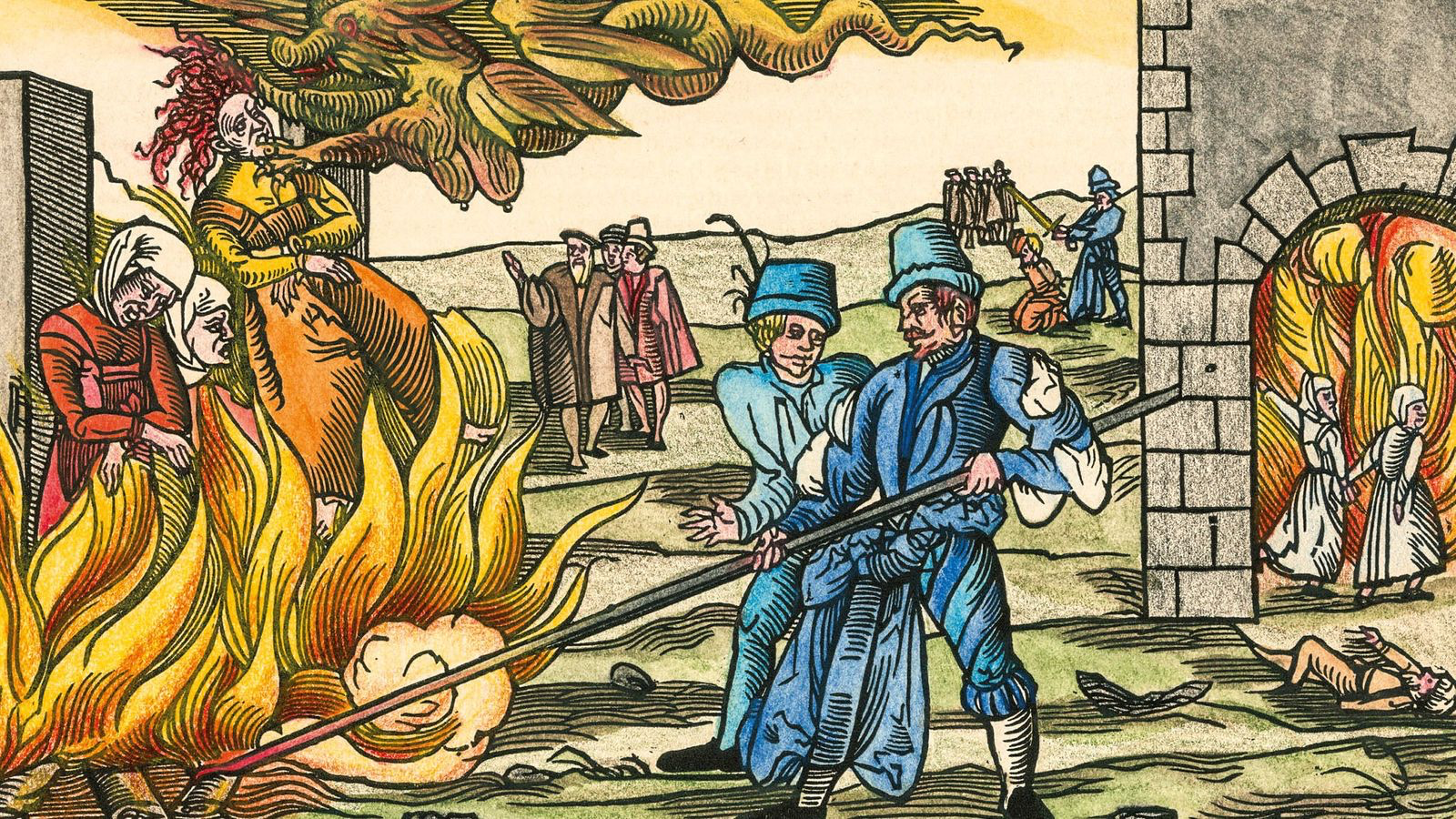
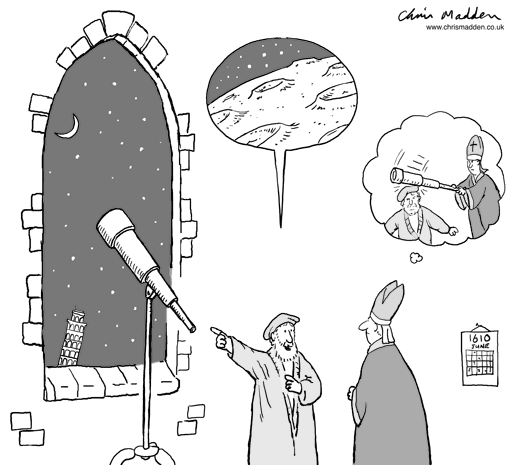
The execution woodcut and later cartoon raise the wider subject of authority and dissent. They do not depict Galileo’s execution, because he was not executed. Nor do they establish numerical totals for victims of the Inquisition. Such totals require clearly defined jurisdictions, periods and evidence; a dramatic image cannot supply that work.
The diagrams from Galileo’s work direct attention back to technical reasoning about strength and motion. A drawing can isolate a relationship so that we can ask a precise question about it. That is a different use of images from a historical painting or political cartoon. Learning to distinguish those purposes is part of learning to read the history of science.
21. Reference: chronology, natural history and pressure
James Ussher’s chronology placed creation in 4004 BCE through the interpretation of historical and biblical texts. It illustrates a particular attempt to organize time within a religious framework. The historical court scene alongside it is used as context for authority and social setting; its exact people and occasion are not asserted here.
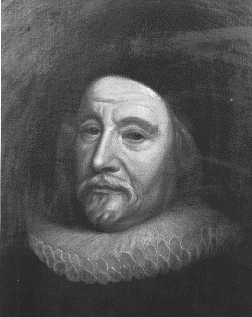
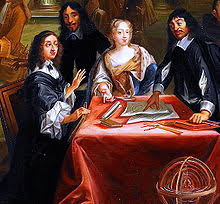
Some early modern accounts connected a young Earth with a largely fixed natural order and fixed species. Those assumptions mattered for later debates about geological time and evolution. They were not held in exactly the same way by every religious thinker, and selective breeding was familiar before evolutionary explanations. The detailed later history of geology and Darwin is outside this lecture.
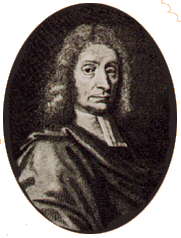
John Ray’s natural history offers another example of systematic attention to living things. Classification requires decisions about which similarities and differences matter. We can recognize the importance of that work without treating Ray’s categories as identical to later evolutionary or genetic explanations. Those later developments have their own historical setting.
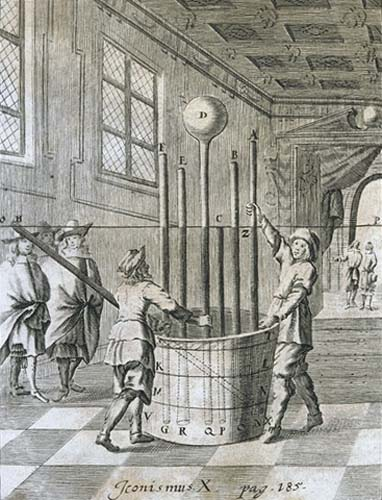
The additional Torricelli illustration returns us to pressure. Compare a representation of the experiment with the schematic in the main discussion. One helps us imagine an activity; the other makes the arrangement easier to analyse. In either case, the explanatory claim must rest on the procedure and its results, not on the authority of the picture alone.
Further reading: Trinity College Dublin: Ussher; Natural History Museum: taxonomy.
22. Reference: people, places and mechanisms
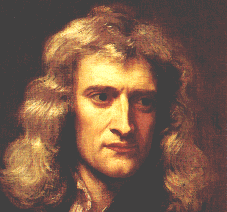
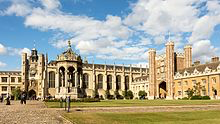
The Newton portrait and Trinity College image place a familiar name in an institutional setting. Universities provide time, colleagues, teaching and access to books, although an institutional address never explains an achievement completely. These images support the broader question of what environments make sustained intellectual work possible.
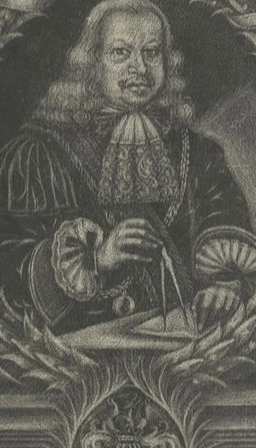
The modern winch photograph helps us recognize a mechanism whose underlying practical problem has a long history. It is a modern comparison, not evidence for the precise appearance of a Renaissance machine. The Böckler portrait accompanies the discussion of pumps and technical representation; a person’s image and a mechanism’s operation answer different questions.

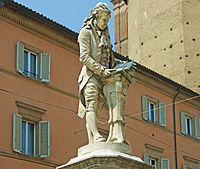
The Galvani monument shows how later communities commemorate scientific work. Monuments select people and achievements for public memory. Comparing such a monument with an experimental diagram lets us distinguish the history of a result from the history of its reputation. Both can interest us, provided we do not mistake one for the other.
23. Sources and further reading
The linked museum collections, university reference works and historical studies support the identifications and explanations in this reading. Dates identify publications or events where specified; later paintings and monuments are treated as representations, rather than eyewitness records.
For a closer look at the relationship between an instrument, its interpretation and its audience, return to the opening painting after reading about air pressure, Boyle and learned societies. Explain which part of a claim you could observe directly and which part would require additional evidence.