ENG 151 · LECTURE 06 · READING BOOKLET
Steam, factories and industrial society
How machinery changed production, working life and the world around the factory.
Read continuously or use the contents. Select any image to view it at full size.
1. A factory changes more than production
Look at the factory beside the canal. The building is only one part of the scene. People arrive to work, boats carry loads, fuel feeds the processes inside, and finished goods leave for customers elsewhere. A factory connects activities that can be far apart. To understand it, we need to follow both the movement of materials and the organization of people.
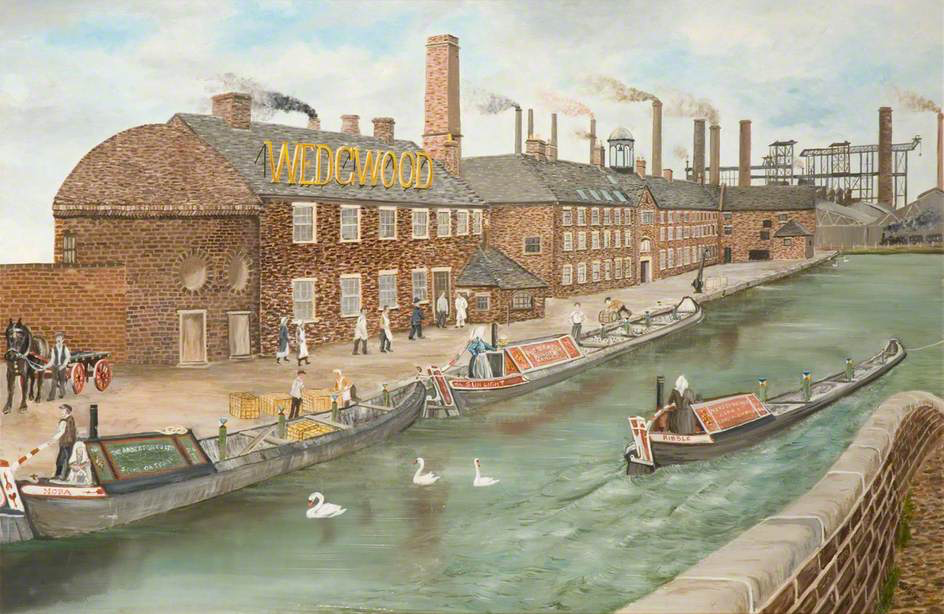
Now imagine that its machinery allows the same number of workers to produce much more. More output can bring cheaper or more readily available goods, and it can create employment. But that observation does not tell us how the working day feels, whether the job is safe, or how the additional income is divided. A worker may gain a wage while losing control over the pace and timing of work. These possibilities belong in the same account.
The central question is therefore larger than who invented a machine. What makes a new way of producing goods take hold, and how does it reorganize daily life? We will follow textiles, power and iron into the factory, then follow their consequences into homes, cities and the environment. The canal scene gives us a way to keep these connections in view.
2. Technology leading into the Industrial Revolution
The factory had a long technological history behind it. Mesopotamia, Egypt, China, India, the Greek and Roman worlds, and the Islamic world all developed ways of measuring, making, building and controlling natural forces. The Inca and Maya likewise belong to the wider history of practical knowledge, with distinct achievements and settings. These traditions should not be imagined as a single relay race ending inevitably in Britain. They establish a more useful starting point: skilled making and technical ingenuity long preceded industrialization.
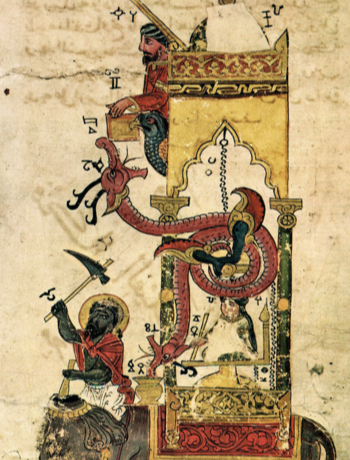
The manuscript illustration invites us to think about mechanisms as arrangements of interacting parts. The Banu Musa and al-Jazari described ingenious devices using controlled movement and water. Automata demonstrate the possibility of arranging a sequence of actions mechanically. They also depend on careful construction and adjustment. Such work helps us recognize a history of technical reasoning that cannot be reduced to the application of modern scientific theory.
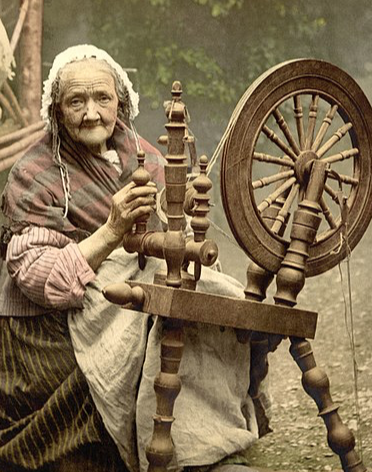
The spinning-wheel photograph makes the relationship between a mechanism and a skilled operator visible. Watermills and windmills could supply motion; spinning wheels changed a task still dependent on human hands. Paper manufacture, milling and textile work connected materials, power and repeated operations long before the steam-powered mill. The photograph is an illustration of the craft, not a dated record of medieval Islamic life.
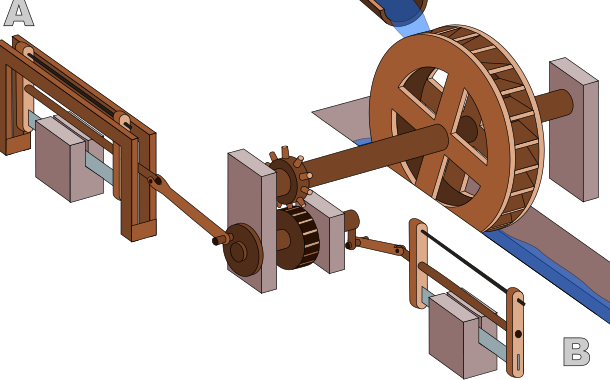
A crank and connecting rod can connect rotary motion with reciprocating motion. The reconstruction and drawing let us trace that conversion before meeting the steam engine. Earlier water-powered mechanisms and later Renaissance machine designs used related mechanical principles in different settings. A flywheel can help a mechanism continue through positions where a crank provides little turning effect. Practical performance still depends on joints, friction, alignment and the strength of materials.
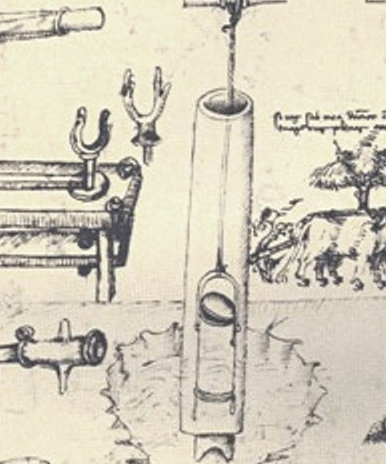

The water-raising design associated with Böckler, dated 1661, and the mine hoist dated 1556 address enduring problems: lifting water and heavy loads. These examples make the connection to industrial steam especially direct. A mine needed workable ways to move material and manage water before steam became available. Existing pumping and lifting practices gave later engine builders both problems to solve and mechanical arrangements to adapt. Georg Andreas Böckler was a German architect and engineer whose Theatrum Machinarum Novum (1661) described and illustrated mills, pumps and other mechanisms. Such books made construction ideas available beyond a single workshop. Museum für Kunst und Gewerbe Hamburg: Böckler’s machine book.
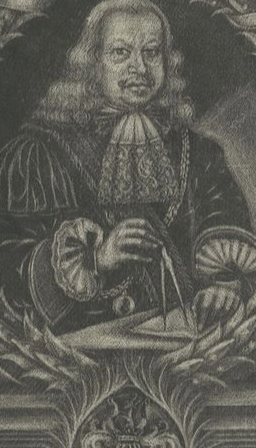
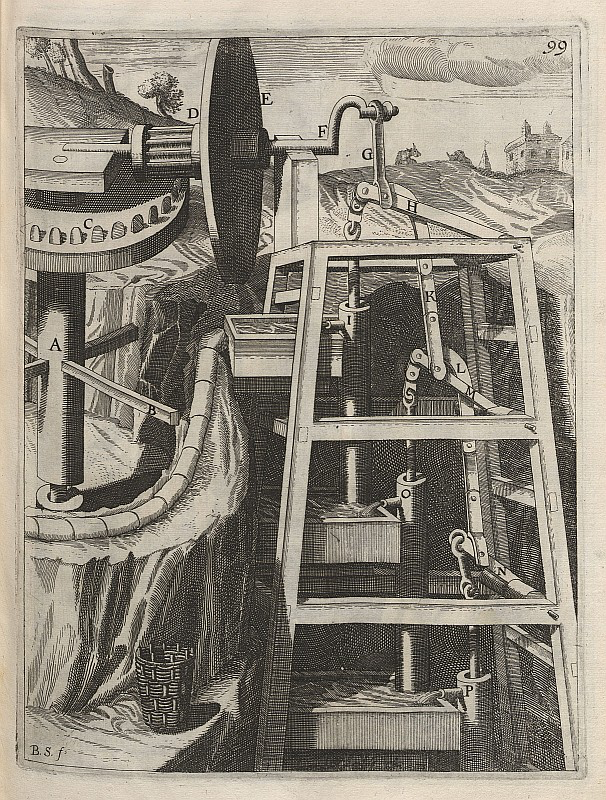
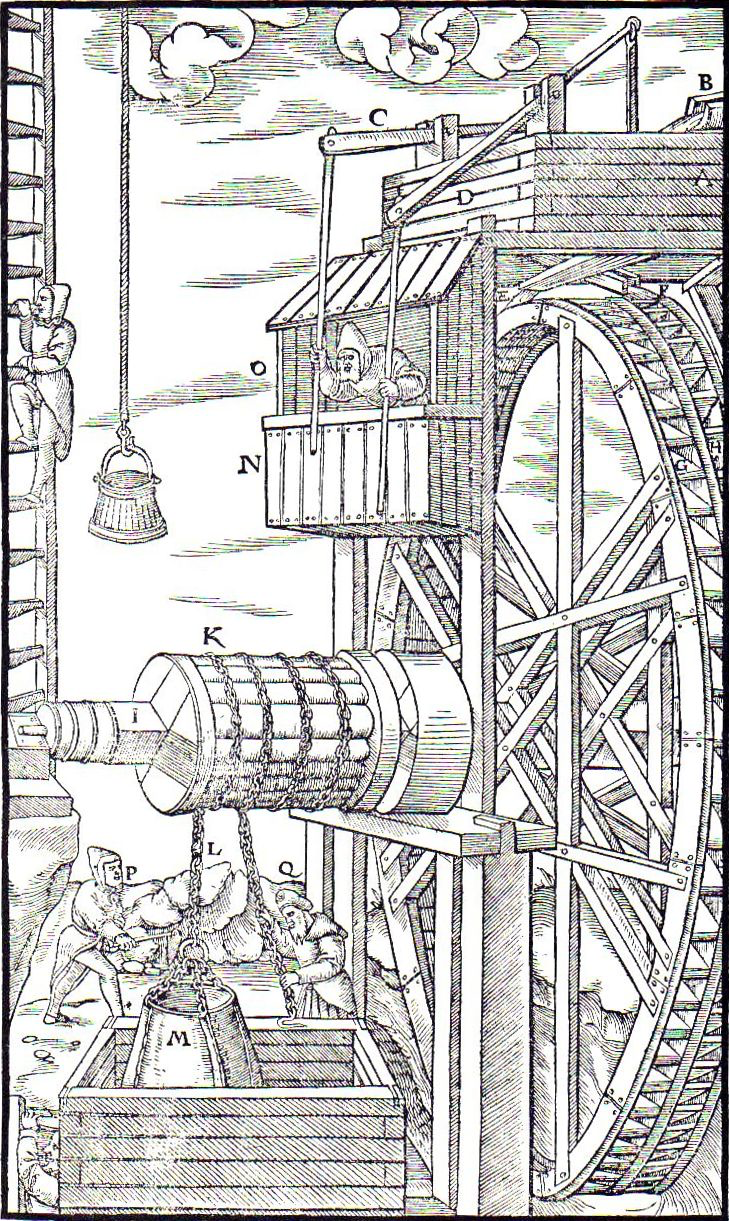
Renaissance notebooks and machine books made designs visible beyond a single demonstration. Taccola, Leonardo, Ramelli and Böckler belong to this culture of drawing and describing mechanisms. Their examples include pumps, lifting equipment and other applications of mechanical motion. A drawing can preserve or propose an arrangement, but it does not by itself prove that a machine was built or operated successfully. Perspective, measurement, architectural design and developing patent arrangements also formed part of this broader technical setting.
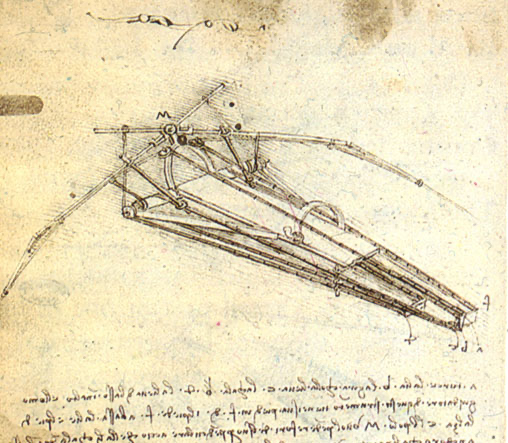
Paper and printing changed how such knowledge could circulate. Papermaking developed in China and spread through several connected regions into the Islamic world and Europe. Medieval European makers often used linen and cotton rags. The availability of fibers, water, skills and markets mattered alongside the movement of knowledge. Textile production and the supply of rags could support paper production, but a simple chain from the spinning wheel to cheap paper to printing is too narrow to explain the whole change.
The printing workshop brings many requirements together: paper, ink, type, a press, trained workers, capital and distribution. Movable-type printing in Europe increased opportunities for education, religious argument and the circulation of technical illustrations. Early printed books, often called incunabula when produced before 1501, also demonstrate the skill of printers. Wider circulation could challenge established authorities, although access, literacy and censorship continued to shape who could read and publish. See the British Library collection guide for the definition of incunabula.
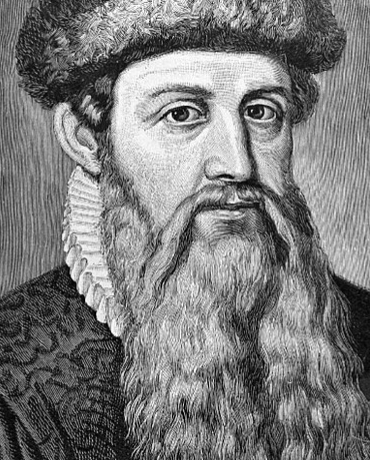
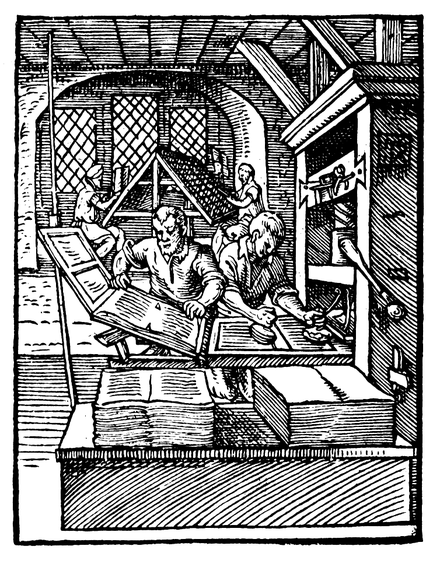
News became another use of this production system. Handwritten newsletters continued alongside printed publications. Johann Carolus’s Relation in Strasbourg, dating to 1605, is an important early printed newspaper; other publications and translated news followed. The value here is the growing ability to distribute relatively current information repeatedly. Exact circulation and readership totals are difficult to compare, because copies, readers and access through shared reading are different measures. The University of Pennsylvania serial catalogue records the Relation’s transition to print in 1605.
Navigation connected practical technologies with new routes and commercial ambitions. Steering systems, sails, the compass and astronomical instruments contributed in different ways; they did not all originate in one place or century. Carracks and other ships supported long ocean voyages. Columbus, Vasco da Gama, Cabral and Magellan appear in the European expansion of these routes, which also involved conquest, coercion and colonial extraction. Maps and charts accumulated experience, while determining longitude at sea remained difficult before sufficiently effective methods and instruments.
Other medieval and Renaissance examples show the breadth of this technical world: mechanical clocks, spectacles, watermarks, functional buttons, horseshoes, plate armor, crossbows, cannon, vaults and fortifications. Some altered everyday tasks; others required substantial material and organizational resources. Their histories span regions and periods, so these examples identify areas of ingenuity rather than assigning a single inventor or exact starting date to each.

We can now return to industrialization with a more precise question. What changed when established mechanical practices, textile skills, materials, trade and accumulated workshop experience combined with new machines, fossil-fuel power and concentrated production? The answer requires both continuity and change. Factories enlarged and reorganized capabilities whose histories had begun much earlier.
Vaulted architecture shows that the control of weight and structural forces demanded skilled material practice long before industrial factories. The photograph provides a visual example; it does not establish a particular invention date.
The modern winch is a useful comparison when tracing rotary motion and controlled lifting. Its modern appearance should be kept distinct from the historical mechanism drawings.
Böckler’s portrait accompanies the machine-book tradition discussed above. His illustrated designs make mechanical arrangements available for readers to inspect and adapt.
Gutenberg’s portrait returns us to printing as a production system. The practical importance of the press lies in the coordinated work of making type, preparing materials, printing and circulating copies.
3. Chronology, Britain and a wider world
The phrase First Industrial Revolution names a cluster of changes rather than an event that happened on a particular morning. A common introductory range begins around 1760 and ends somewhere between 1820 and 1840. For this lecture, approximately 1750–1850 gives us room to see the preparation, spread and consequences of those changes. Water-powered industry continued as steam developed, and older forms of work survived beside new ones.

The transformation included mechanized production, new chemical and iron processes, better machine tools, and the growing importance of factories. Population increased, but we should not turn that association into a one-way explanation. Food supply, employment, mortality, household decisions and migration interacted with industrial change. A growing population could provide labor and customers while also increasing pressure on housing and services.
Britain combined several conditions that made investment attractive and technically possible. Coal and transport mattered, but so did skilled people, access to finance, commercial experience and a market for goods. Farming and manufacturing were connected: towns needed food, rural households bought manufactured objects, and agricultural change could alter the opportunities available to workers. None of these connections means that every displaced rural worker immediately entered a factory.
Britain’s commercial position also depended on overseas trade, colonies and military power. North America and the Caribbean were part of this trading world, while the East India Company expanded its influence in the Indian subcontinent, including Bengal. Britain did not encounter an empty industrial landscape: Indian textiles were already significant products. The growth of British cotton manufacturing must be read alongside colonial changes in trade and production.
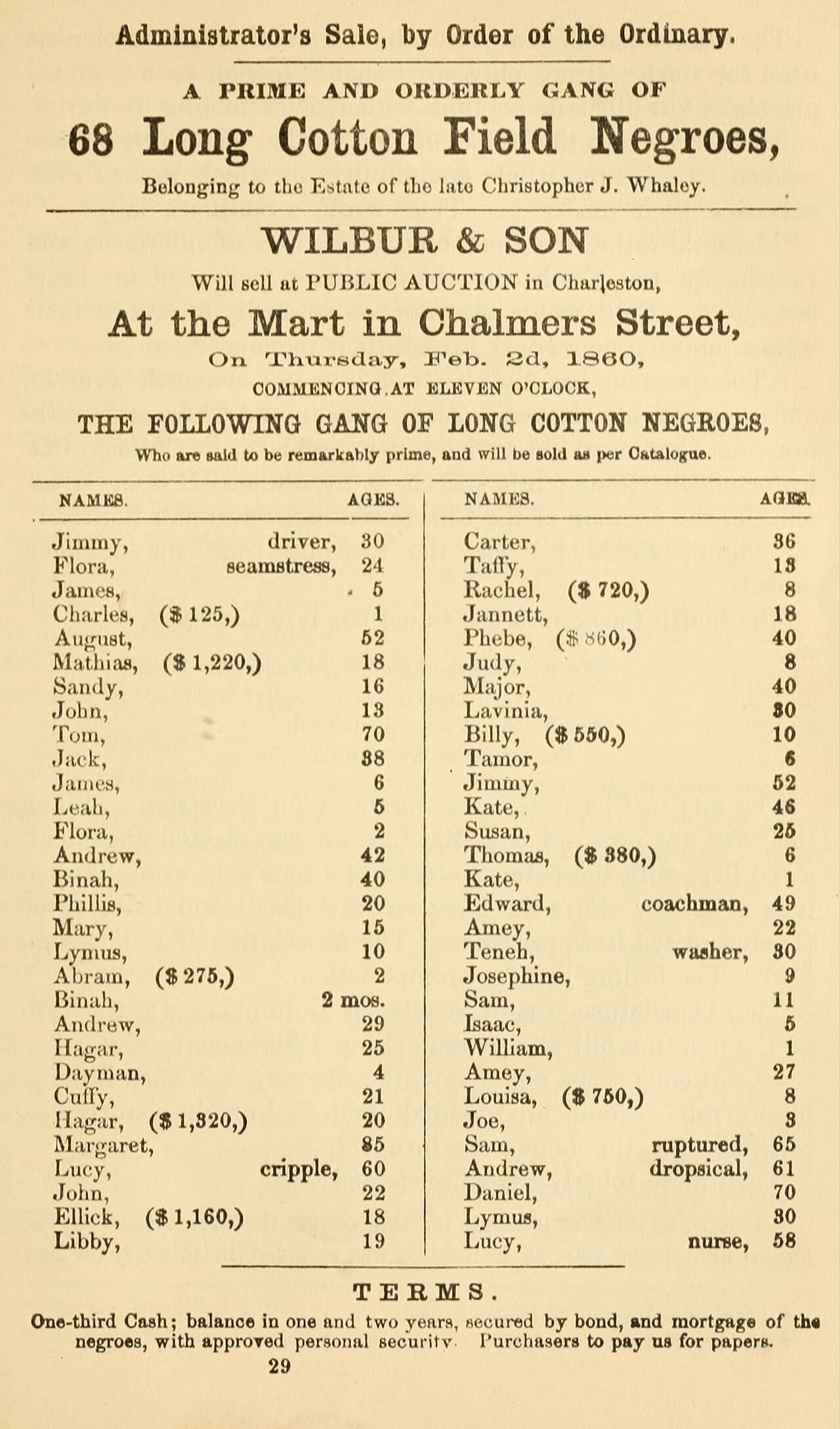
The raw material in a British mill might have been grown by enslaved people across the Atlantic. Machinery in one location could therefore depend on coercive labor elsewhere. Following cotton from field to port to mill prevents the factory from appearing as an isolated achievement. The benefits and costs were distributed across a much wider world than the industrial town.
The advertisement from Charleston, dated 2 February 1860, offered enslaved cotton workers for sale. Its listing of people, ages and prices exposes the coercion behind an economy often described only through commodities and trade. It belongs to the later continuation of Atlantic slavery, beyond the opening decades of British industrialization.
Further reading: Science and Industry Museum: cotton and slavery.
Image credits: Great Britain in northwestern Europe; modern geographic locator — DankJae; CC BY 4.0; Charleston auction advertisement for enslaved cotton workers, 1860 — Wilbur & Son; Public domain.


4. Textiles: changing a connected process
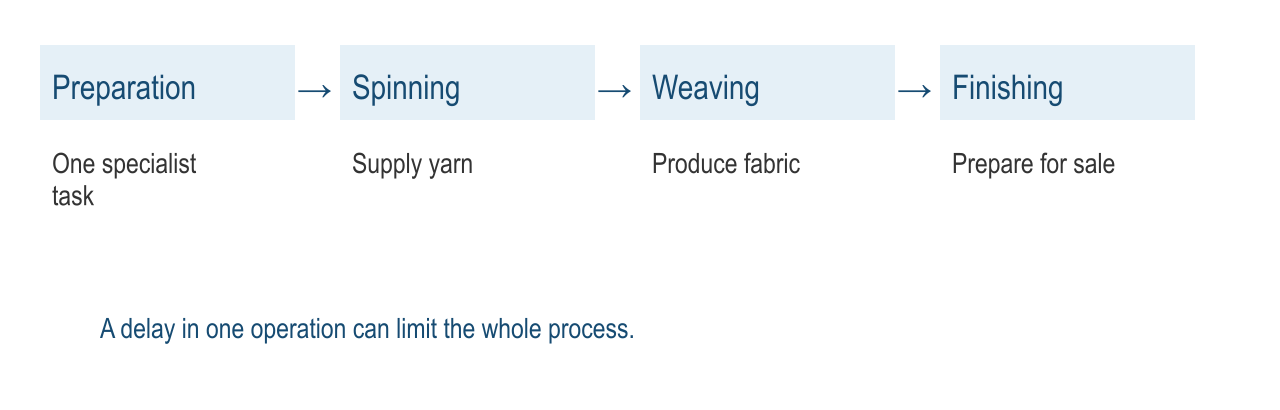
It helps to begin with the material itself. Cotton fibers must be cleaned and prepared, drawn out and twisted into yarn, and then woven into cloth. Spinning and weaving are different operations. A spinning machine can increase the supply of yarn without directly increasing the number of looms or the speed at which cloth is woven. A production system is limited by the stage that cannot keep up.

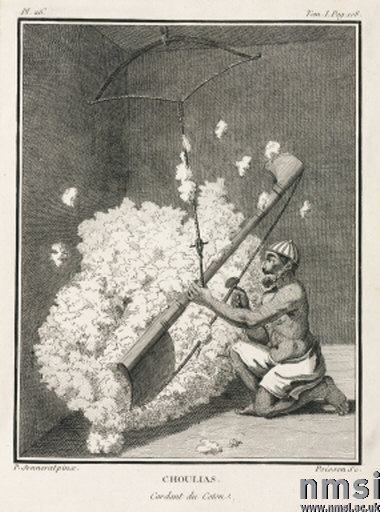
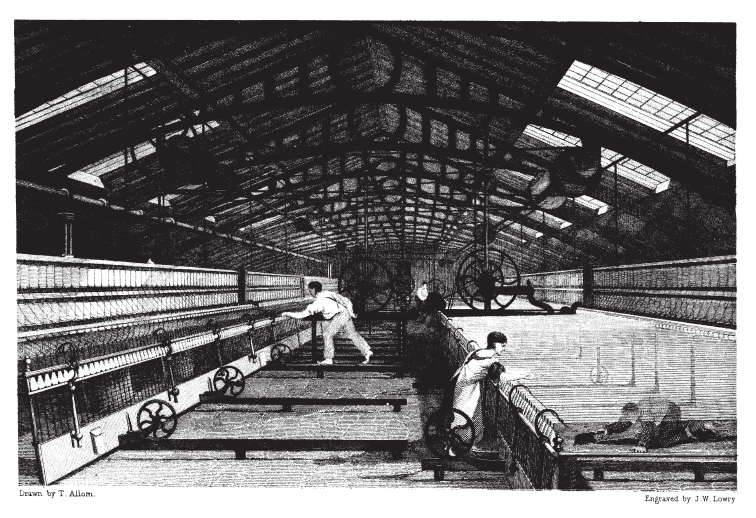
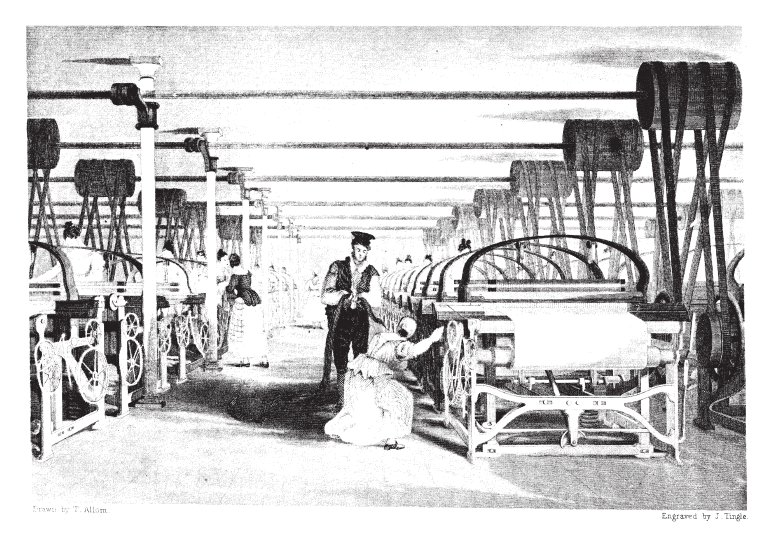
Textiles became a leading field of industrial change, important for employment, investment and the value of output. They also provide a clear example of how improvements stimulate further improvements. If weaving becomes faster, spinners face greater demand for yarn. If spinning then advances more quickly, weaving can become the limiting stage. The result is a sequence of changes rather than one invention completing the transformation.
In the 1760s and 1770s, machines associated with James Hargreaves, Richard Arkwright and Samuel Crompton increased spinning capacity in different ways. Multiple spindles allowed one operator to work several threads. Drawing rollers controlled the stretching of fibers. Crompton’s mule combined features of earlier systems and could produce finer yarn. These machines depended on the work of builders, mechanics and operators as well as the people whose names became attached to them.
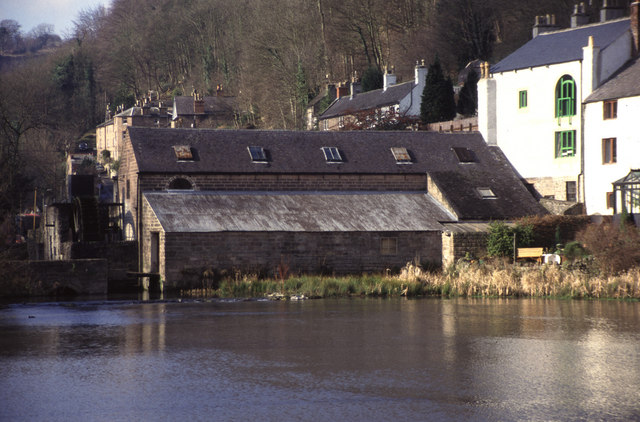
Water power is essential to this story. A wheel could supply rotating motion to several machines through a system of shafts and belts. Concentrating machinery around that source of power encouraged a mill building with coordinated work inside. A factory did not have to wait for steam: water-powered factories already brought workers together and reorganized production. The location of water, its seasonal flow and the ability to control it affected where a mill could operate.
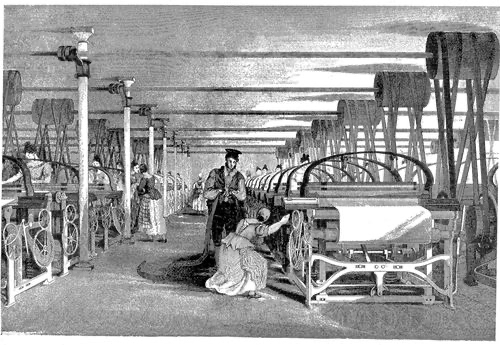
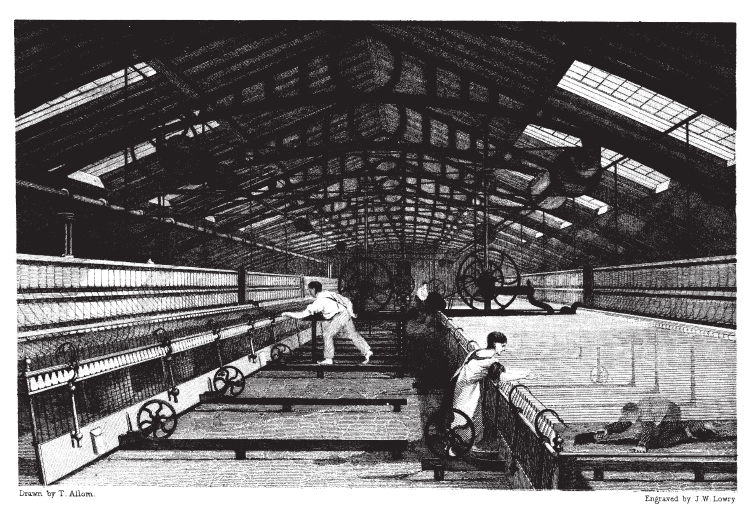
In the textile image, notice the repeated machines and the overhead transmission. Repetition makes an expanded scale of production possible, but it also creates maintenance needs and safety hazards. The picture invites us to follow the power as well as the cloth. Work has become part of a connected arrangement whose operation depends on many people arriving and performing their tasks together.
Further reading: Science Museum: Arkwright spinning machine; Science Museum: spinning mule.
Image credits: Preparing cotton fibers: Indian cotton carder, 1774–1781 — Engraver: Poisson, Painter: Sonnerat, Pierre, 1748-1814, uploader Dr.saptarshi; Public domain; Mule spinning — Baines, 1835 — Baines; Public domain; Power-loom weaving — Baines, 1835 — Baines; Public domain; Waterwheel and mill at Cromford — Chris Allen, CC BY-SA 2.0 — Chris Allen ; CC BY-SA 2.0.


5. Steam: from mine pumping to factory power
People had long obtained motion from muscles, wind and moving water. Steam added a different possibility: burn a fuel, transfer heat to water, and use pressure differences to move machinery. The importance of this change is easy to miss if we imagine that an engine simply replaces a stronger worker. It also changes where power can be supplied and how much machinery can share it.

Mining created a powerful incentive. Digging deeper could expose valuable coal while also allowing groundwater to collect. A mine that could not keep water out could not continue working its lower levels. Pumps existed, but they required a source of motion. Newcomen’s practical engine of 1712 addressed this problem by connecting a piston and beam to a pumping arrangement.
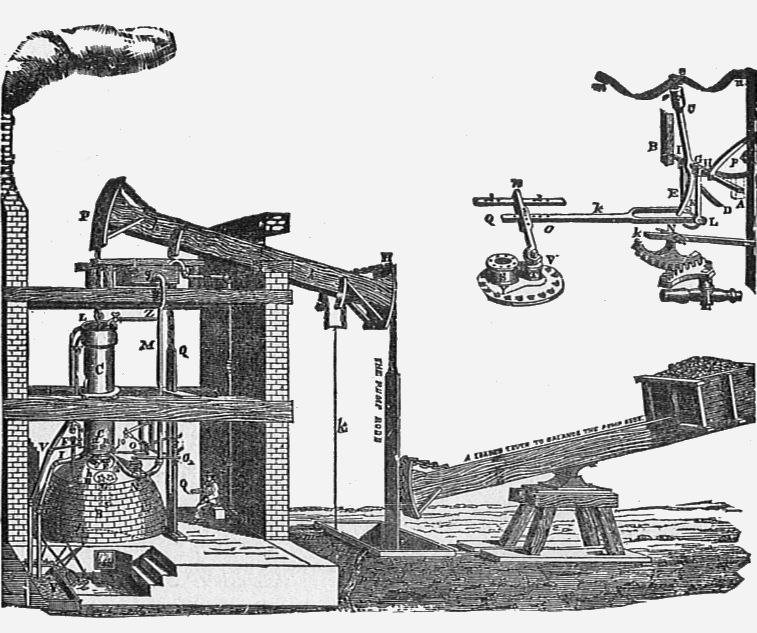
The atmospheric engine is worth understanding carefully. Steam enters the cylinder beneath the piston. When that steam is cooled and condenses to liquid water, the pressure in the cylinder falls. The atmosphere above the piston now pushes it downward. The beam transfers motion to the pump. The return movement and valve sequence allow the process to repeat. This is a simplified explanation of the working principle, not a drawing of every pipe and valve.
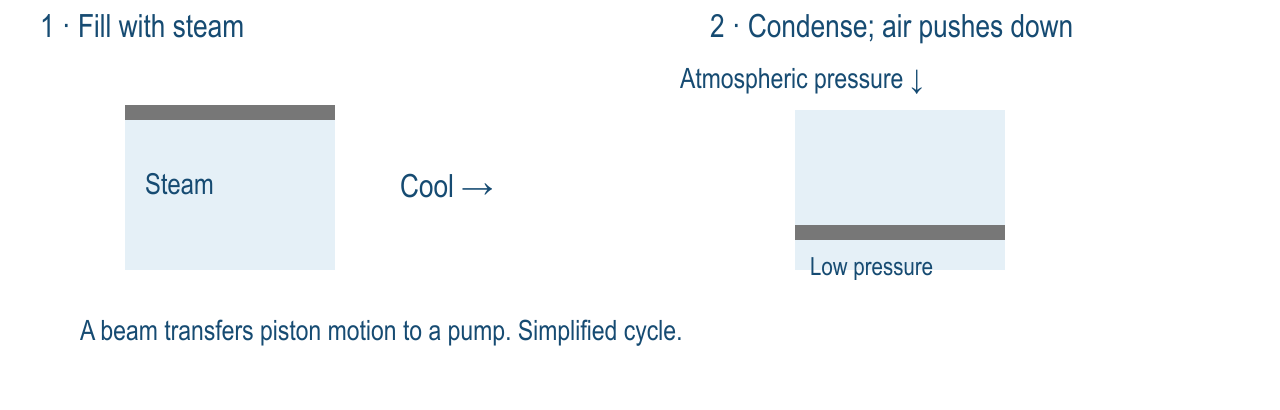
Calling it an atmospheric engine matters because the working stroke is not simply a blast of high-pressure steam pushing the piston outward. Condensation creates the pressure difference. The arrangement works, but repeatedly cooling and reheating the same cylinder uses fuel that does not become useful mechanical work. An engine could nevertheless be worthwhile near a coal mine, where its fuel was readily available.
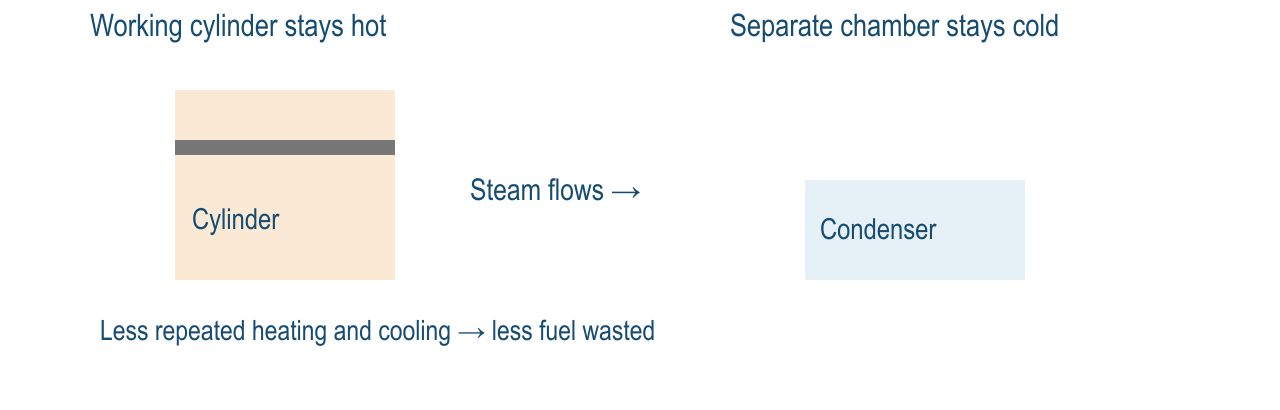
Watt’s separate condenser addressed that loss. Steam could be condensed in another chamber while the working cylinder stayed hot. His 1765 development and 1769 patent belong to an improvement of existing steam technology, not the invention of steam power from nothing. The partnership with Matthew Boulton helped turn an engineering improvement into machines that could be produced, installed and maintained.
The photographs and engraving show further parts of the factory-power story. A piston moves back and forth, while many machines require rotation. Linkages and a crank can connect reciprocating motion with a rotating shaft, and a flywheel helps smooth variation through the cycle. The pictured rotating governor illustrates feedback: as speed changes, the mechanism changes the engine’s admission of steam. Regulation matters because the load on an engine is not always constant.
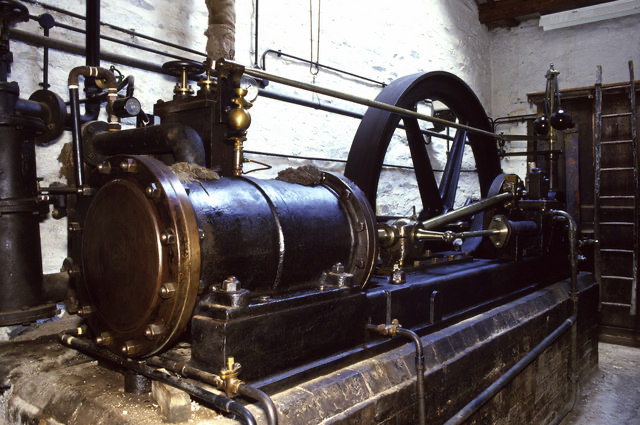
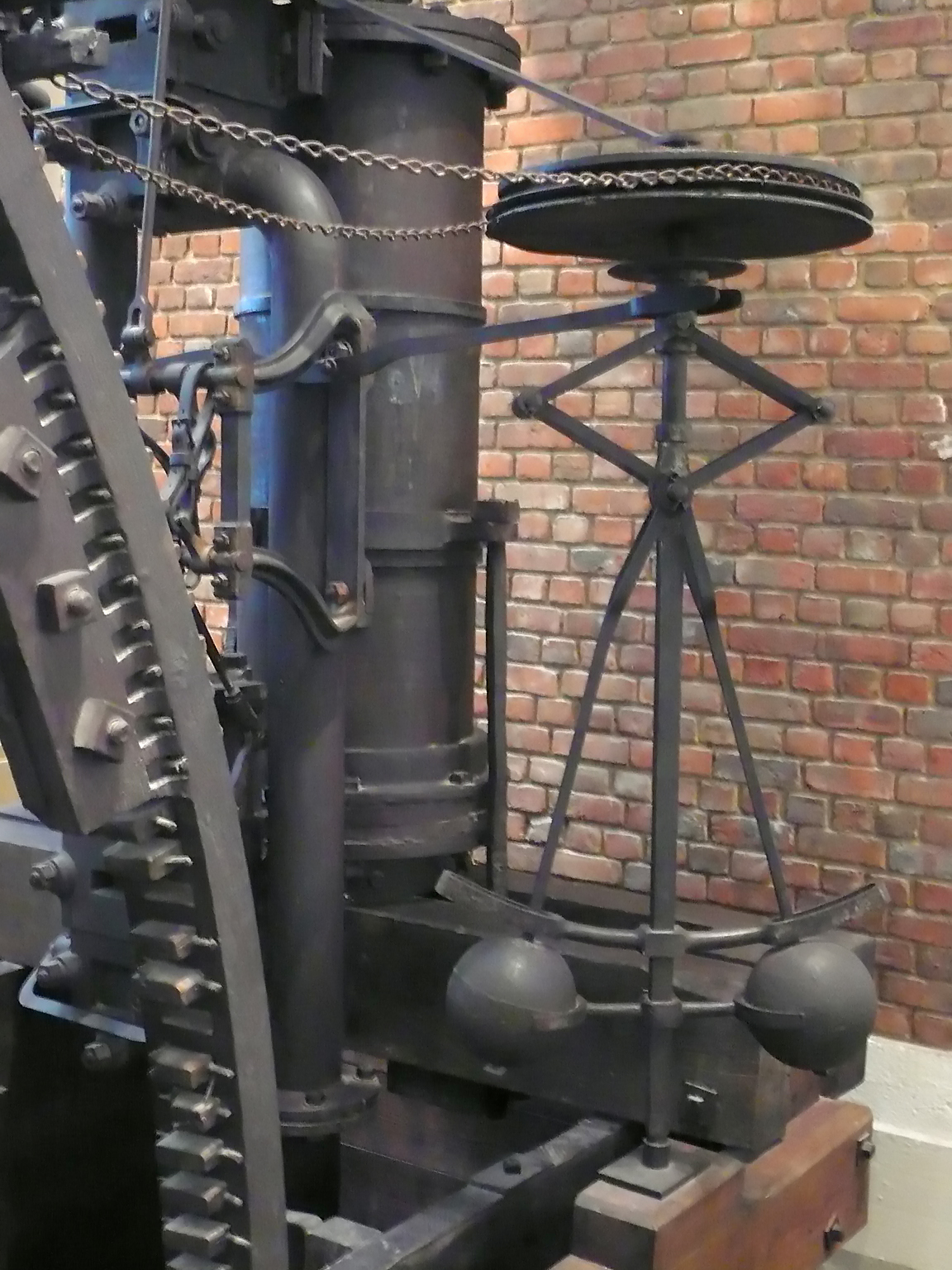
Power could then travel through shafts, pulleys and belts to several machines. Trace that path in the workshop engraving. This shared arrangement made a factory more than a collection of separate tools, but a fault in a central part could interrupt many operations. Exposed moving belts also created danger. Power, coordination and working conditions belong to the same technical system.
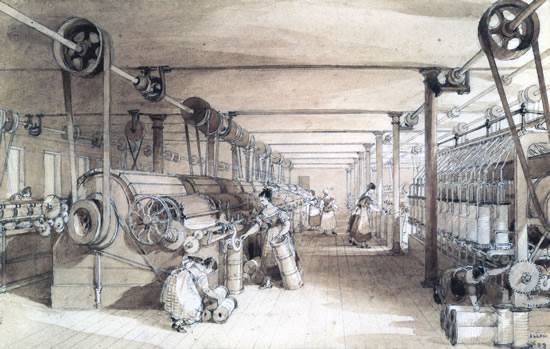
A steam engine still needed water, fuel deliveries, repair skills and money. It widened the range of possible sites compared with direct water power, but it did not make location irrelevant. Access to coal, transport and customers remained important. That is why the engine must be understood together with the factory and its surroundings.
The surviving asbads at Nashtifan in Iran show a traditional wind-powered arrangement: sails above turn a vertical shaft connected to the milling equipment below. The photographed structures represent a long-lived technical tradition; they are not assigned an ancient construction date here. UNESCO: Asbads of Iran. The Newcomen illustration comes from a book published in 1904 and depicts the earlier engine principle.
Further reading: Science Museum: Newcomen; Science Museum: Watt’s condenser; Science Museum: condenser object.
Image credits: Traditional vertical-axis windmills, Nashtifan, Iran — Ali Vaseghnia, CC BY-SA 4.0 — Ali Vaseghnia; CC BY-SA 4.0; Newcomen atmospheric engine — illustration published in 1904 — Andy Dingley (scanner); Public domain.


6. Iron, precision and the manufacture of machines
The historical lathe illustrations direct attention to a less spectacular part of industrial change: making parts accurately. A screw-cutting lathe coordinates motion so that threads can be repeated. Cylinder-boring machinery helps create a surface against which a piston can work. Milling machines remove material in controlled ways. An engine design becomes more useful when a workshop can actually manufacture, fit and repair its components.
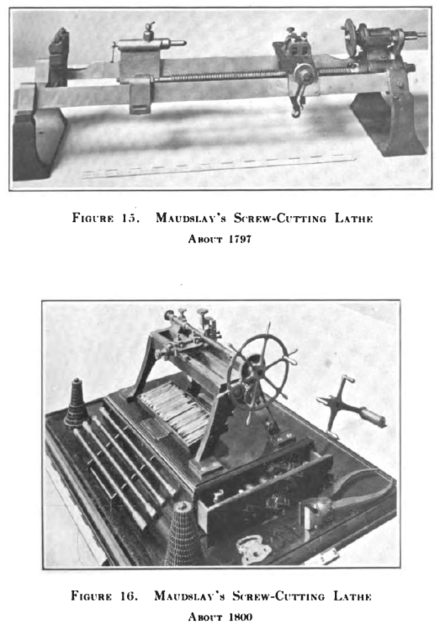
Precision did not appear fully formed with one machine tool. Reliable production required methods of measuring, cutting and checking work, and it took time to develop effective practices. The ability to make economical, repeatable metal parts helped industry expand. It also required skilled toolmakers and mechanics even where some production tasks became more repetitive.
Iron is not one uniform material. Cast iron was used for pots, stoves and machine components where its ability to be cast into shape was useful and its brittleness could be accommodated. Bar iron supplied nails, wire, hinges, horseshoes, wagon tires, chains and structural pieces. Some bar iron was converted into steel. The choice depended on what a part had to withstand and how it would be made.
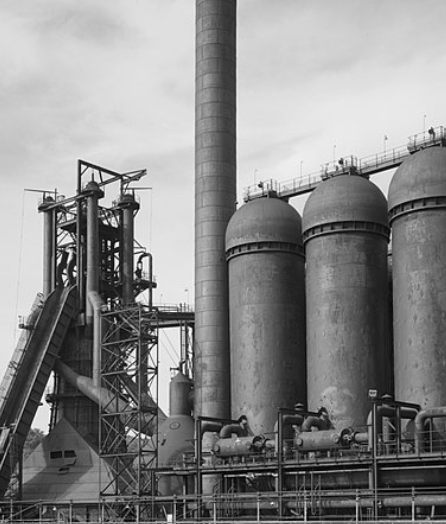
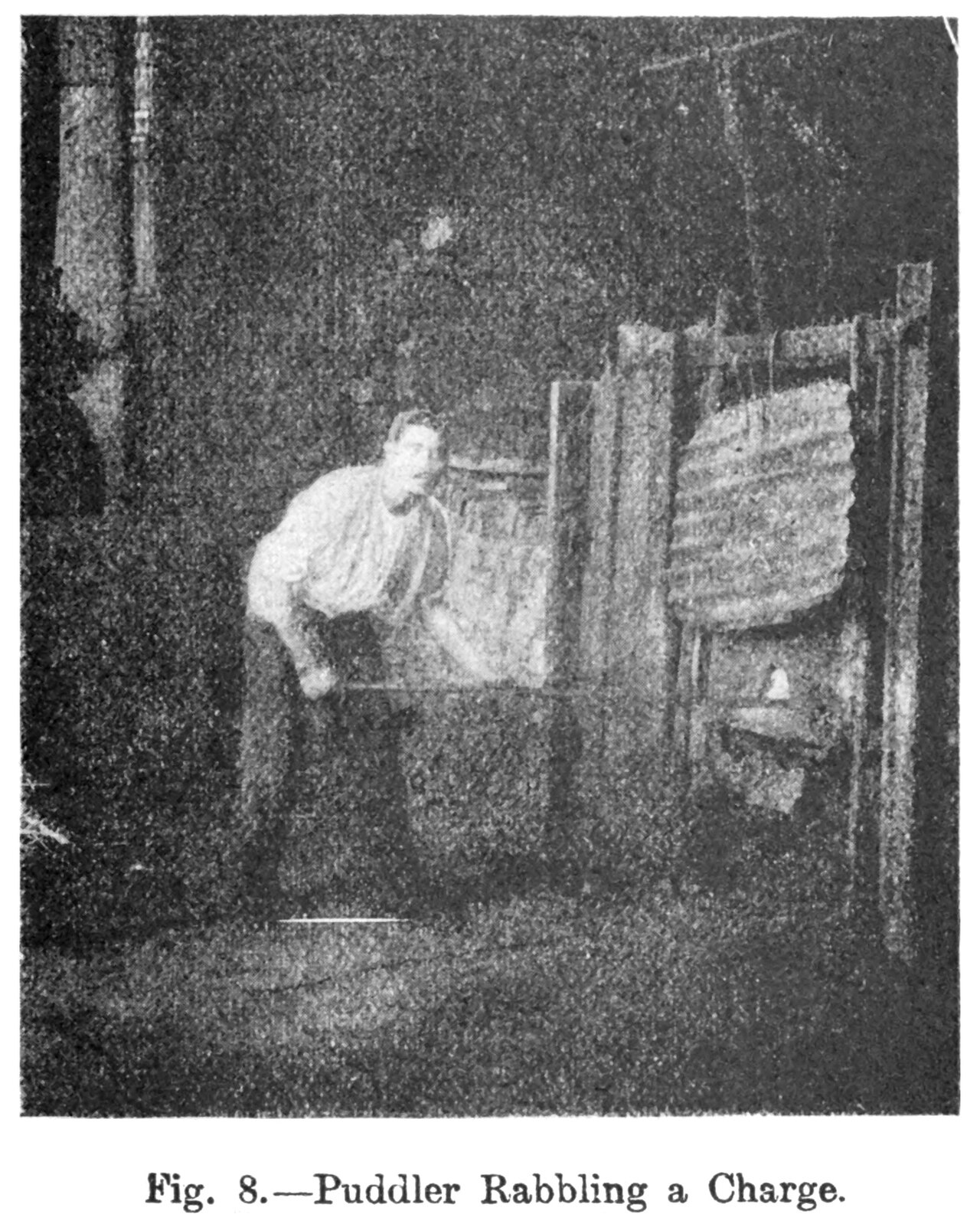
Historically, iron could be obtained through bloomery processes or by producing cast iron and refining it. Conversion involved losses of material, fuel and labor. In the eighteenth-century British story, the substitution of coke for charcoal in blast-furnace smelting was a major change. Abraham Darby’s work at Coalbrookdale in 1709 marks an important early case, although widespread adoption and growth took much longer. Henry Cort’s later puddling and rolling improvements concerned the processing of iron; smelting ore and refining iron must not be confused.
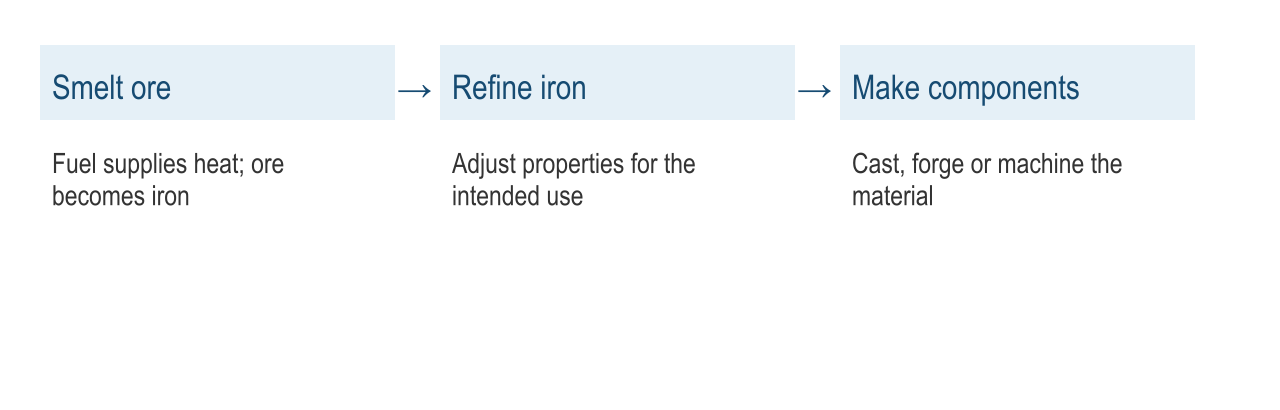
These developments reinforced one another. A mine supplied fuel to an ironworks; the ironworks supplied material for engines and machinery; engines helped remove water from mines. A larger market for machines encouraged workshops to improve their tools. None of those links operated automatically. They required investment, transport, suitable materials and people who knew how to make equipment work.
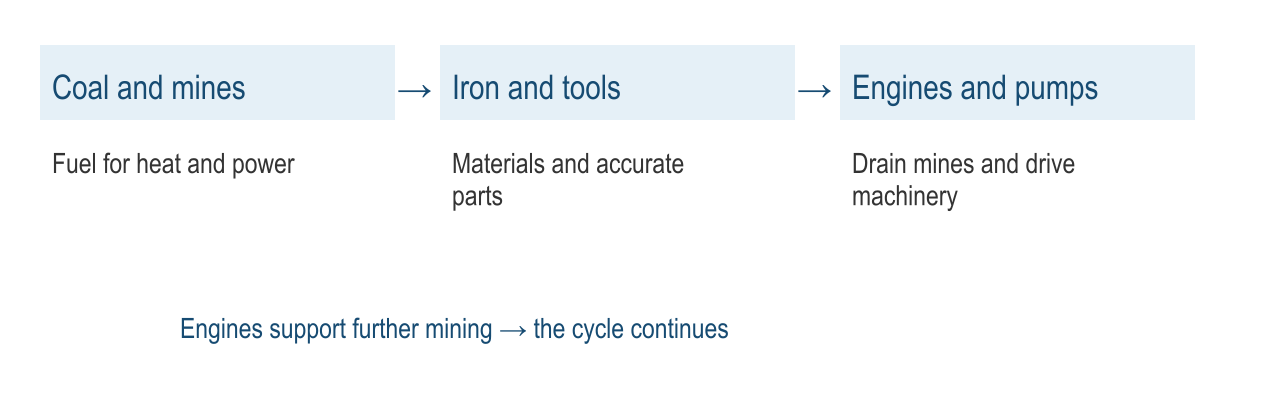
A numerical series for British cast-iron output appears in the reference section below. Its broad pattern is the shift from charcoal toward coke, alongside expansion of production. The exact boundaries and units of historical series matter: a list of numbers can look more precise than the records from which it was reconstructed.
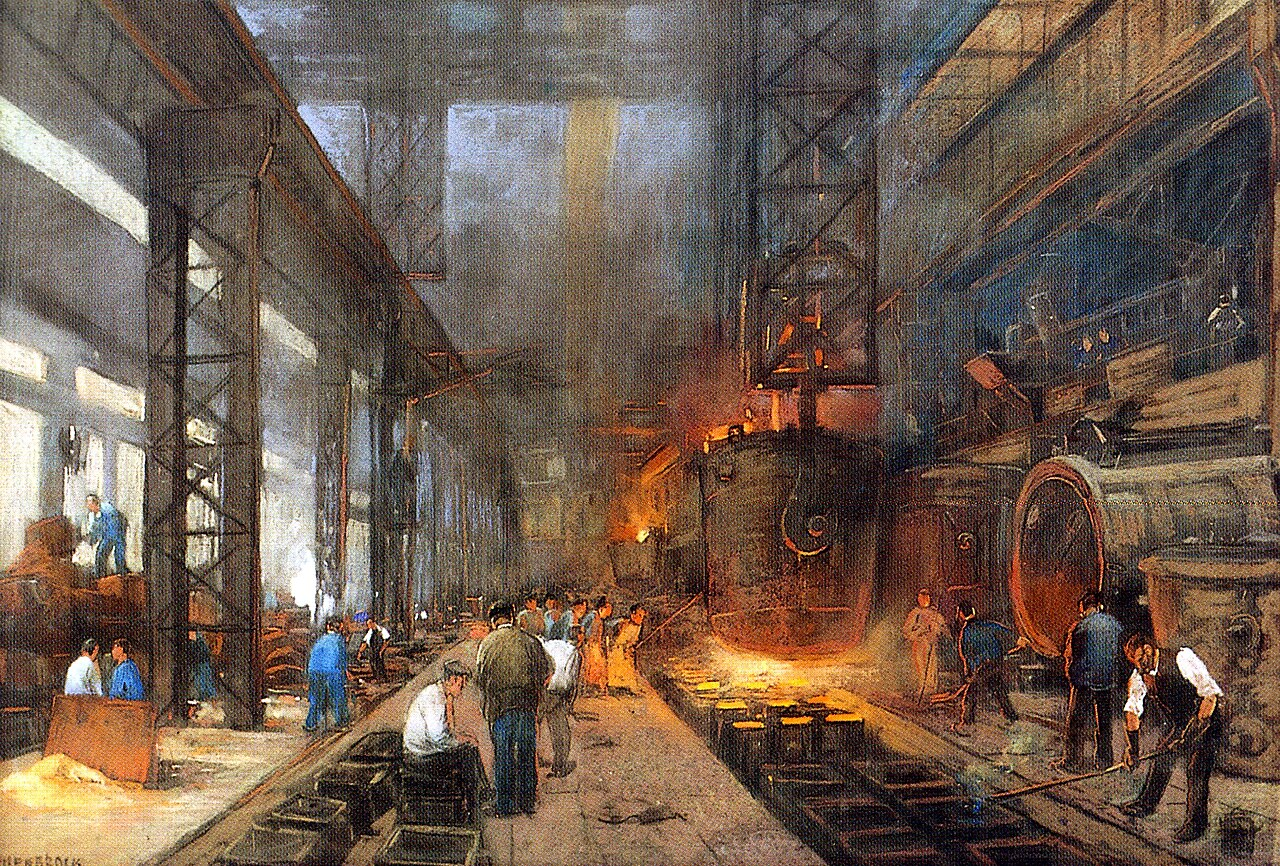
The three process images separate smelting, refining and casting. Their dates differ: the foundry painting by Herman Heijenbrock dates to around 1890. They illustrate distinct operations rather than a single factory at one moment.
Further reading: Ironbridge: iron and industry.
Image credits: Refining iron by puddling — historical illustration — Walter Macfarlane; Public domain; Casting iron — Herman Heijenbrock, c. 1890 — Herman Heijenbrock; Public domain.


7. The factory reorganizes work
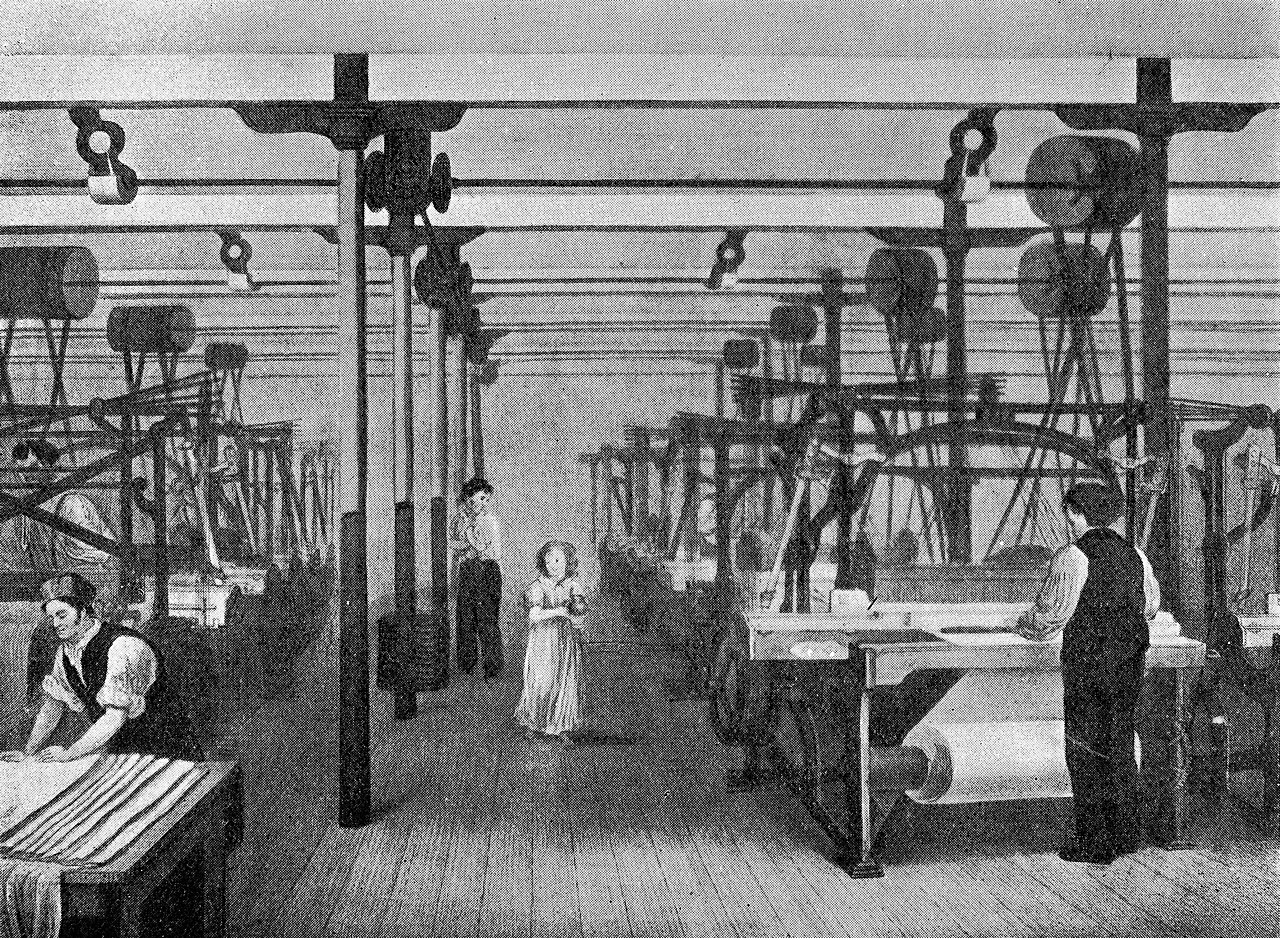
The centralized workplace joined expensive equipment with a shared source of power and a coordinated supply of labor. Compared with a household workshop, it could bring more of the production process under one roof and under a common schedule. Materials arrived in larger quantities, and owners had to arrange both production and the sale of output. The factory was an organizational change as well as a building.
Division of labor means that different people specialize in different tasks. A worker may become very quick at one operation without learning how to make the whole product. This can lower the time needed for training in that particular task. It can also make the worker dependent on the coordination of the wider process. If preparation stops, spinning waits; if weaving cannot keep up, yarn accumulates.
The description “unskilled” can hide what workers actually do. Repetitive tasks still require attention, judgment and physical effort. At the same time, machinery creates a need for people able to build, adjust and repair it. Industrial change can simplify some jobs and increase the technical demands of others. The social result depends partly on who has access to training and who can bargain over the conditions of employment.
Standardization adds another kind of coordination. Parts made to a common specification are more consistent, but that does not necessarily mean every one will fit every machine without adjustment. Interchangeability is a stronger requirement. Its development helped maintenance and production, yet it spread unevenly across products and industries. The later assembly line should not be treated as if it already defined every early factory.
Finally, shared power imposes a shared rhythm. An owner may want machinery running for long periods to recover its cost. Workers must arrive at specified times and remain available while the process operates. A change that raises output can therefore alter time, authority and independence. This returns us to the opening question: what can production figures tell us, and what must we ask workers and households to understand?
The centralized workplace changed the relationship between equipment and labor. A large or costly machine was difficult for an individual household to acquire, and several machines could share one source of power. Gathering workers at the same site made the equipment easier to supply, supervise and coordinate. Domestic work and small workshops continued, but the factory made a different arrangement increasingly important: workers came to the machinery and followed its timetable.
Division of labor meant that a worker no longer needed to know how to make the whole product. Repeating a narrower task could reduce the training needed for that particular job and raise output. Calling such work unskilled can be misleading: experience, attention and dexterity still mattered, while machinery also created demands for mechanics, toolmakers and supervisors. Specialization could improve productivity while limiting a worker’s control over the complete process.
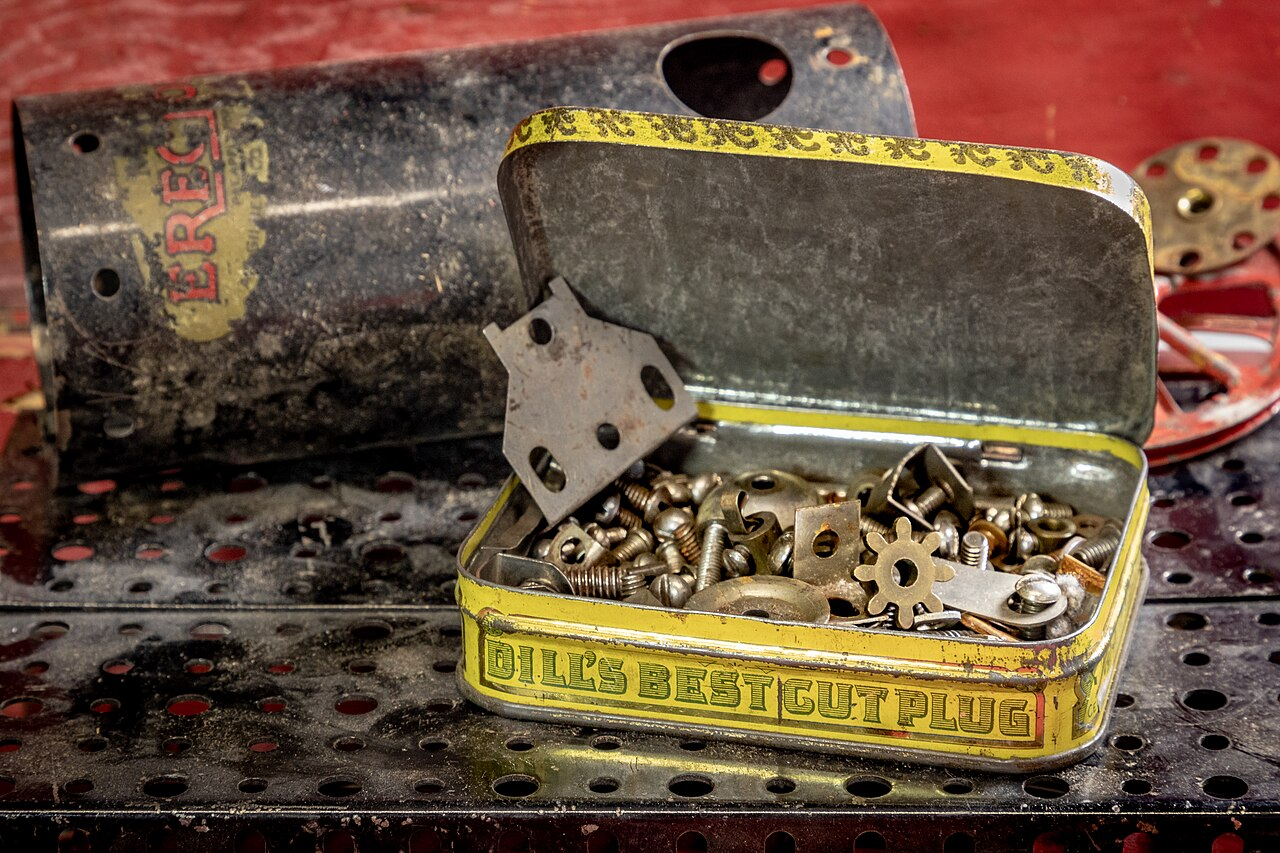


Standardized parts were made to agreed measurements so that products became more consistent. Interchangeability took the idea further: a replacement part could fit and work without extensive custom adjustment. Repair became easier when a broken component could be replaced instead of remade for one particular machine. Achieving this required accurate tools, measurement and control of manufacturing variation; it emerged gradually rather than arriving automatically with the first factories.
The fastener photographs connect standardization to an everyday problem. Vintage nuts and bolts show the practical need to find a matching part. The modern comparison includes metric coarse and fine threads, inch-based UNC and UNF, and British Whitworth forms. The pipe plug illustrates a tapered thread. Diameter, pitch, profile and taper all matter; a fine pitch is not simply a tighter fit. These are comparisons across different periods and standards, rather than a collection dated to the first factories. Swagelok: identifying thread size, pitch and form.
Image credits: Cotton-factory interior — Wellcome Collection, CC BY 4.0 — Wellcome Collection; CC BY 4.0; Vintage Erector-set nuts and bolts — Cindy Shebley, CC BY 2.0 — Cindy Shebley; CC BY 2.0; Metric, fine-pitch, UNC/UNF and Whitworth bolts — Christoph Roser at AllAboutLean.com, CC BY-SA 4.0 — Christoph Roser at AllAboutLean.com; CC BY-SA 4.0; Tapered NPT pipe plug — Wikimedia Commons, CC BY-SA 3.0 — BenFrantzDale at English Wikipedia; CC BY-SA 3.0; Workers and machinery in a spinning mill — Baines, 1835 — Baines; Public domain.


8. Transport, cities and living standards
The canal in the opening picture is part of production. Heavy inputs such as coal and clay or iron had to reach a works, while finished goods needed buyers beyond its gate. Transport costs could determine whether a technically possible enterprise was commercially workable. A larger factory without a dependable supply route might produce less reliably than a smaller one with good connections.
Canals, roads, railways and shipping solved different problems. The Liverpool and Manchester Railway opened in 1830 and is a useful dated example of a connection between a port and a manufacturing center. It required more than a locomotive: track, stations, maintenance, timetables and finance had to work together. Steamships extended some of the possibilities of powered transport, while older modes continued to carry goods.

Growing industrial towns offered employment and markets, but rapid population growth could exceed the capacity of housing and public services. Crowding, contaminated water and inadequate drainage made everyday life difficult and unhealthy. The same concentration that brought employers and workers together also concentrated risks. A town could become richer in output while particular neighborhoods remained extremely poor.
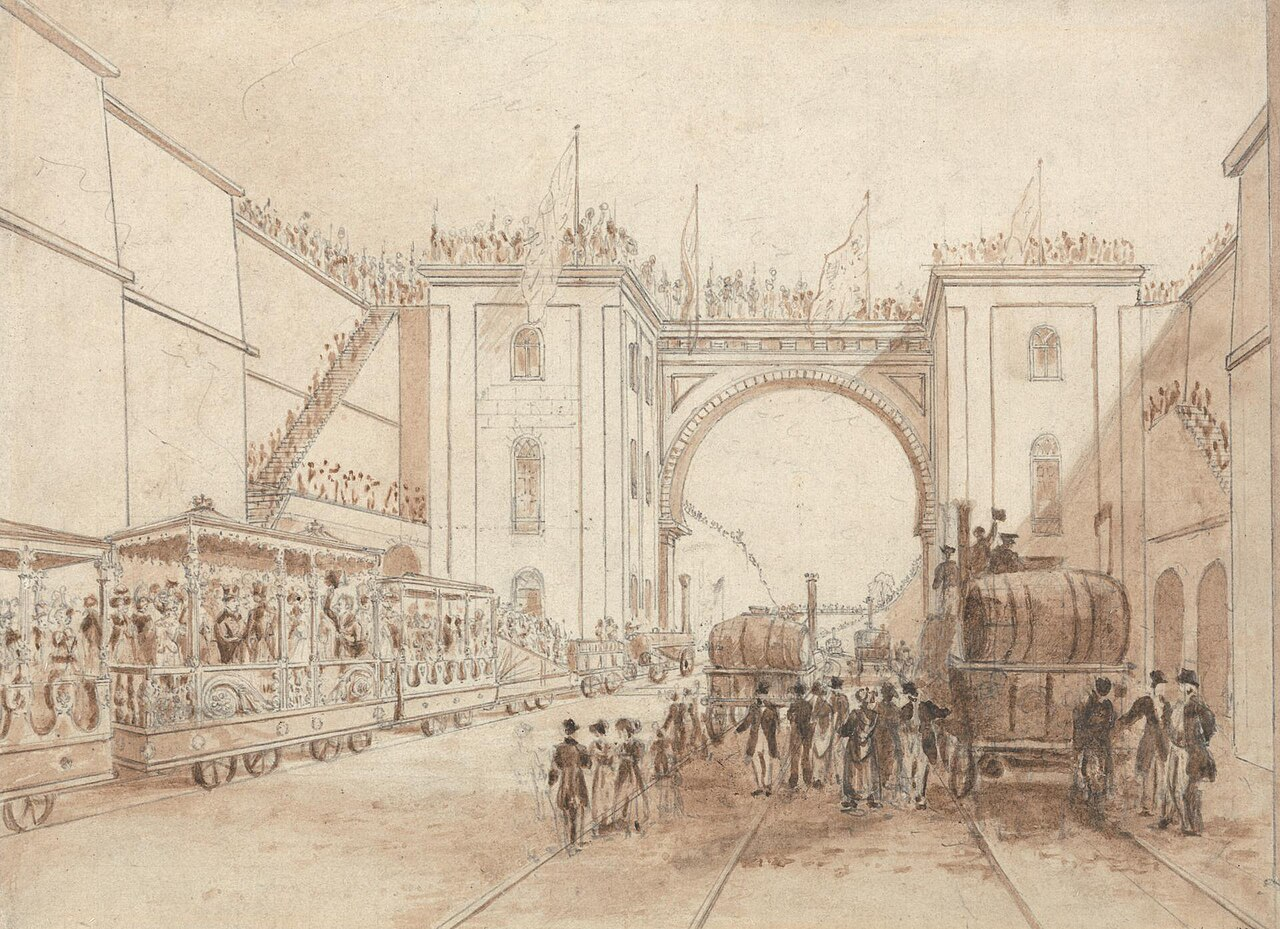
The living-standards question is therefore central. Over the long run, industrialization supported sustained growth in production and incomes. Historians disagree about when, and for whom, those gains translated into better living conditions. Early workers did not all experience rising wages, shorter hours or better health together. We should compare a household’s income with its costs, risks and access to services.
Imagine two households receiving the same weekly income. One has safer housing, shorter working hours and reliable access to food; the other faces high rent, illness and irregular work. Their incomes alone conceal the difference. This is why the history of industrialization combines economic estimates with evidence about labor, family life and the city.
The rise in living standards deserves emphasis because the long-run change was far-reaching. Industrialization accompanied sustained increases in population, output and average incomes, changing the material possibilities of daily life. Yet an average cannot tell us when a particular worker or family benefited. The historical debate concerns the timing and distribution of improvement as well as its size. Some accounts stress earlier income gains; others emphasize that broad improvements in health, housing, security and leisure became clearer much later, including the late nineteenth and twentieth centuries. Both the scale of the eventual transformation and the difficulties of early industrial life belong in the story.
Further reading: National Railway Museum: railway heritage.
Image credits: Opening of the Liverpool and Manchester Railway — Isaac Shaw, 1830; Yale Center for British Art — Isaac Shaw; CC0.

9. Child labor, evidence and reform
The underground illustration asks us to consider the physical work hidden behind a supply of coal. Hauling a load through a confined space is not a minor version of an adult job. It exposes a child’s body to strain and danger. Yet families could depend on the income, and employers could have strong incentives to use low-paid labor. Understanding those pressures does not make the conditions acceptable; it explains why change required more than inventing a better machine.
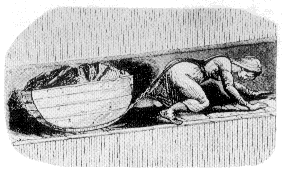
Children worked before the Industrial Revolution, including in farming and household production. Factories and mines placed them in new settings with machinery, supervisors and long coordinated hours. Work could interfere with schooling and expose children to accidents, exhaustion and dust. The question is not simply whether a child was “employed,” but what work was done, at what age, for how long, and under whose control.
The two photographs carry us beyond this lecture’s main chronological frame. Lewis Hine photographed children at Bibb Mill No. 1 in Macon, Georgia, in 1909, and the group of breaker boys at Pittston, Pennsylvania, dates to 1911. Their later dates matter: industrial child labor continued well after the first generation of steam-powered factories. They give evidence of that persistence, not a photographic record of eighteenth-century Britain.
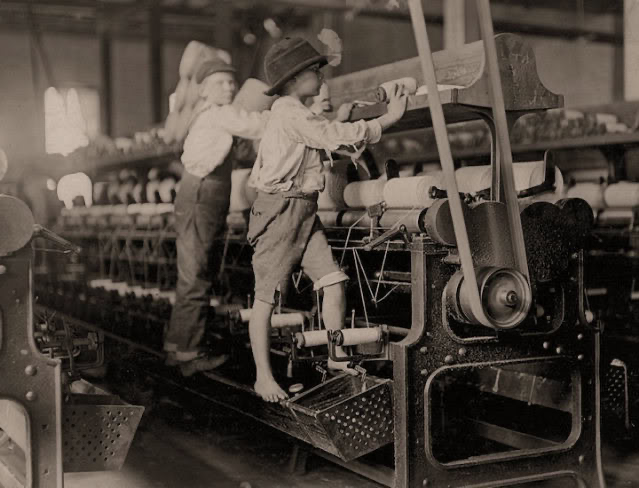
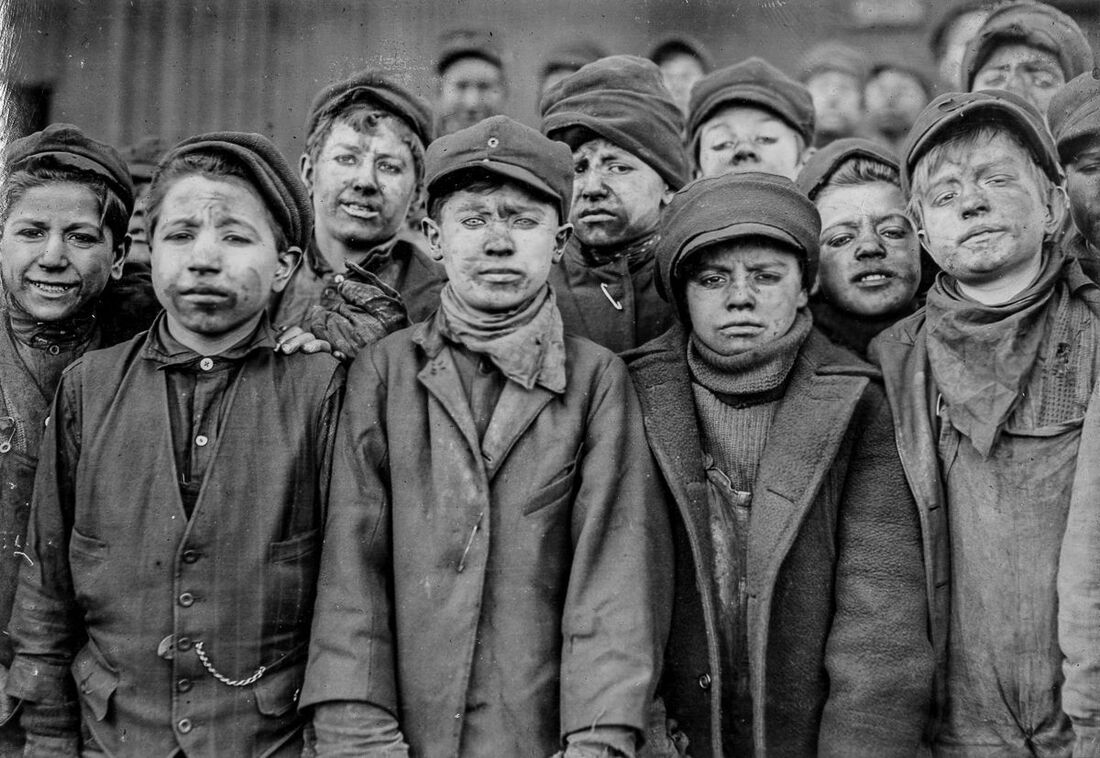
A photograph can show the relationship between bodies, tools and workplace space. It cannot, by itself, establish the proportion of children in an entire industry or country. Hine’s catalogue descriptions add locations and circumstances that make the images more useful as historical evidence. Statistical claims require a different kind of source, with defined ages, occupations and coverage.
The cartoon of an owner and working children makes an argument about responsibility and power. Its visual contrast directs our attention to the gap between those receiving the benefits and those doing difficult work. Cartoons, photographs, testimony and inspection records do different kinds of historical work. Reading them together can tell us more than asking any one image to prove everything.
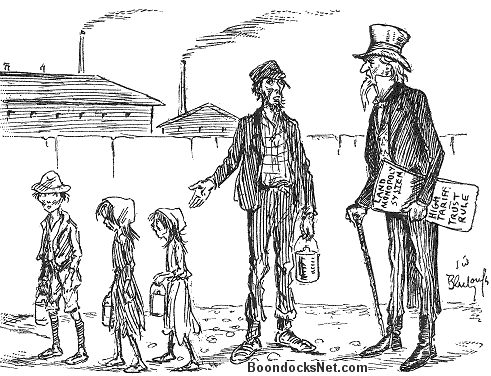
In Britain, the 1833 Factory Act addressed child labor in covered textile factories, restricted hours and provided for schooling. Inspectors were important because a legal rule needed a way to reach the workplace. The reform was limited in scope, and practical enforcement remained a problem. Workers’ organization, public campaigning and political decisions helped change conditions over time; improvements were not an automatic result of rising output.
Further reading: Library of Congress: Bibb Mill, 1909; Library of Congress: breaker boys, 1911; UK Parliament: the 1833 Factory Act.
10. Reading industrial workplaces
The workplace photographs make different aspects of factory organization visible. A worker surrounded by machines has to reach, attend and respond within a space shaped by the equipment. Sorting material may involve repeated movements, dust and constant attention. Overhead belts reveal how power could travel through a shared workplace, with the danger of exposed moving parts.
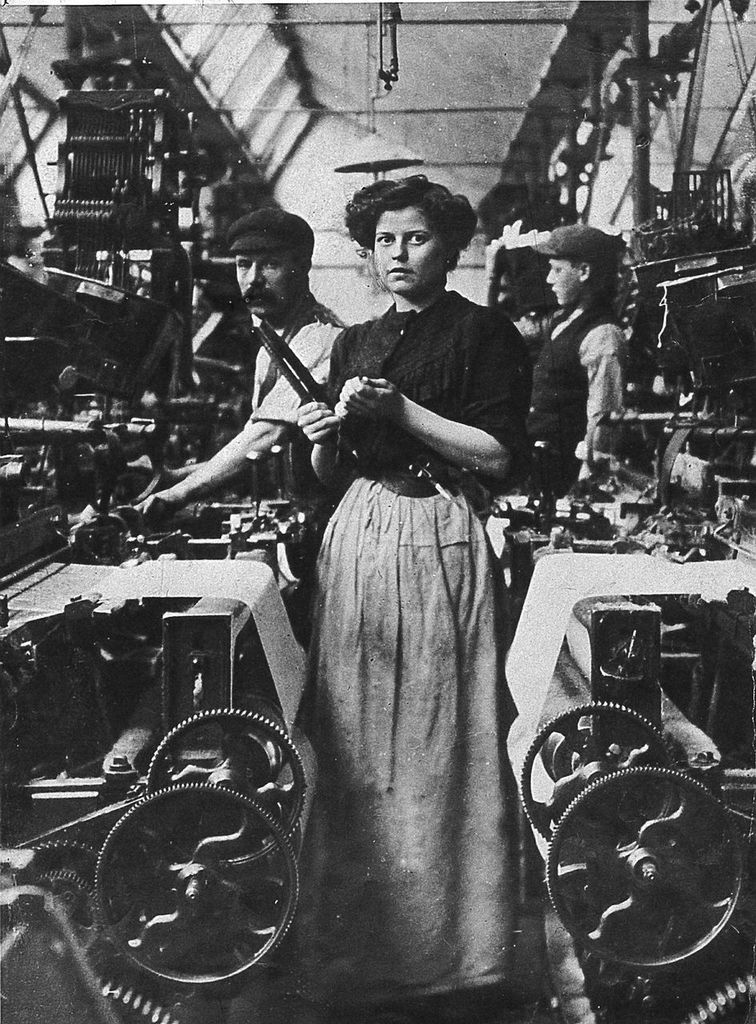
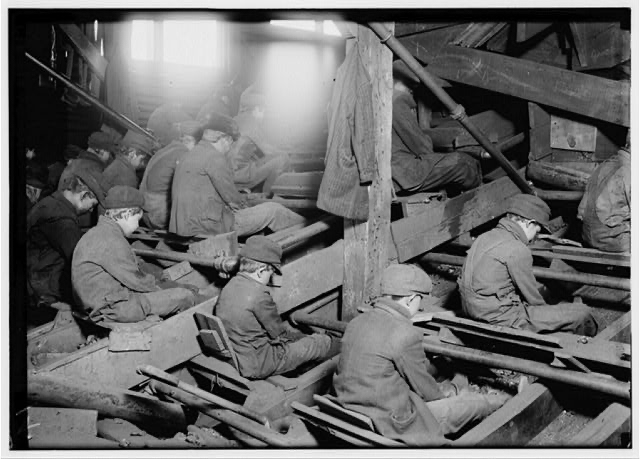
The machine-shop view associated here with Holland extends the geographical comparison. Look first at what is visible: tools, benches, workers and power transmission. The exact site and date are not established, so the image cannot support a precise comparison of national labor conditions. It can still help us ask useful questions about coordination, skill and the physical arrangement of work.
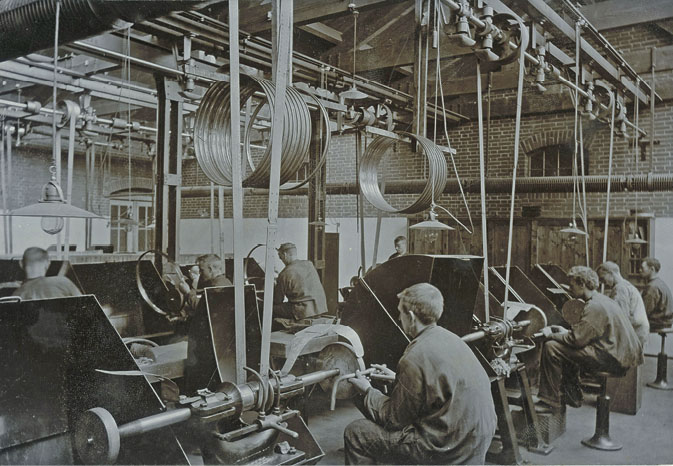
Workplaces also had features that a picture cannot easily reveal. We need other evidence to establish pay, employment security, working hours, injury rates or the possibility of negotiation. Women and men could be concentrated in different tasks and paid differently; family responsibilities affected the consequences of employment. A serious account follows those relationships instead of treating workers as interchangeable inputs.
The point of comparing these views is to connect machinery with experience. A machine can raise output and reduce some forms of effort while introducing other hazards or pressures. Whether a change improves working life depends on design, organization and the power to set conditions. These are historical questions about institutions and people as well as tools.
11. A changing world and its environmental costs
The manufacturing table follows Europe, the United States, Japan and the rest of the world from 1750 to 1900. It is a historical reconstruction rather than a modern annual statistical release. The image reports Europe’s share rising from 23.2 to 62.0 percent and the United States’ from 0.1 to 23.6 percent, while Japan moves from 3.8 to 2.4 percent and the rest of the world from 73.0 to 11.0 percent. The intermediate columns are 1800, 1860 and 1880. Values are rounded, so totals need not add exactly to 100.
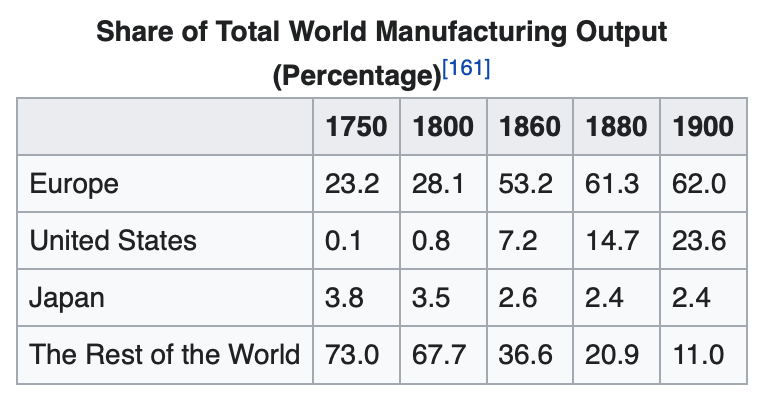
The pattern is a major redistribution of manufacturing activity across regions. But a share is a fraction of a changing total. If worldwide production grows quickly, a region can lose share while still producing more in absolute terms. The table alone cannot tell us the income of an individual worker, explain every cause of the change, or establish that all countries within a region had the same experience. Its dates also extend well beyond the first industrial period.
The two pollution pictures return attention to the physical consequences of industrial concentration. Smoke crosses the factory boundary. Waste can enter a river used by people downstream. A production process can create benefits for sellers and buyers while imposing costs on others. Those costs may be absent from the price paid for a manufactured object.
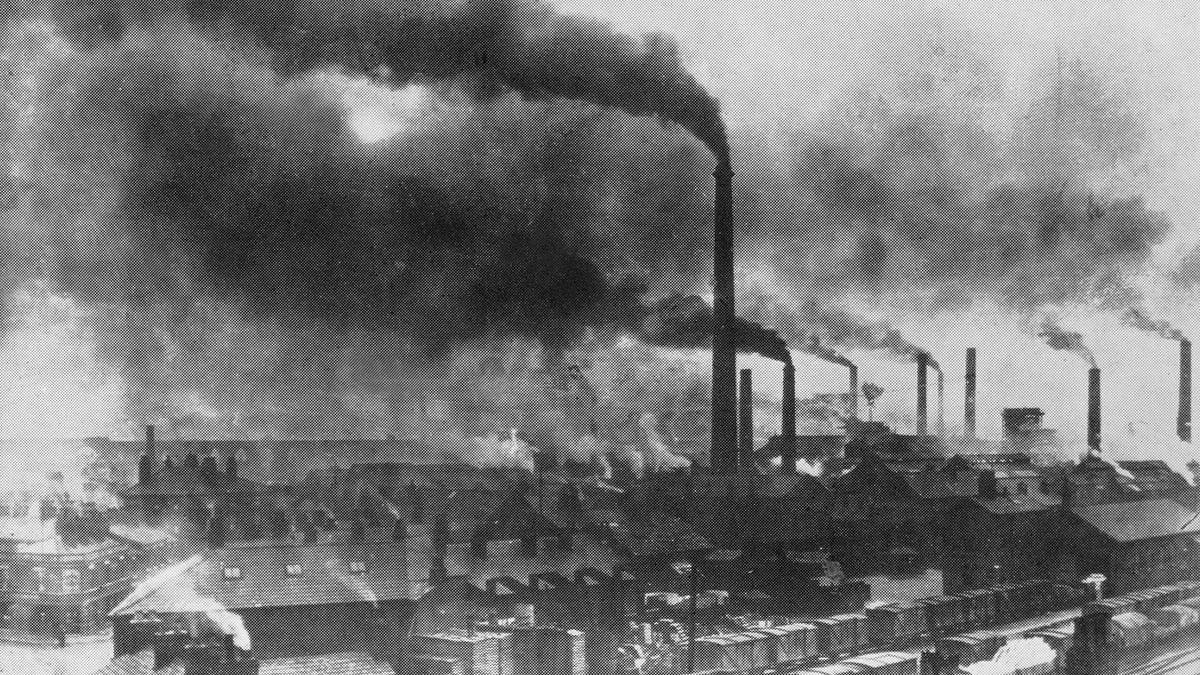
Coal made large supplies of heat available, but its use also changed the air and landscape. Homes, factories, transport and public services shared the same urban environment. A worker could face exposure inside the workplace and at home. The relationship between industry and health therefore cannot be understood by inspecting the factory gate alone.
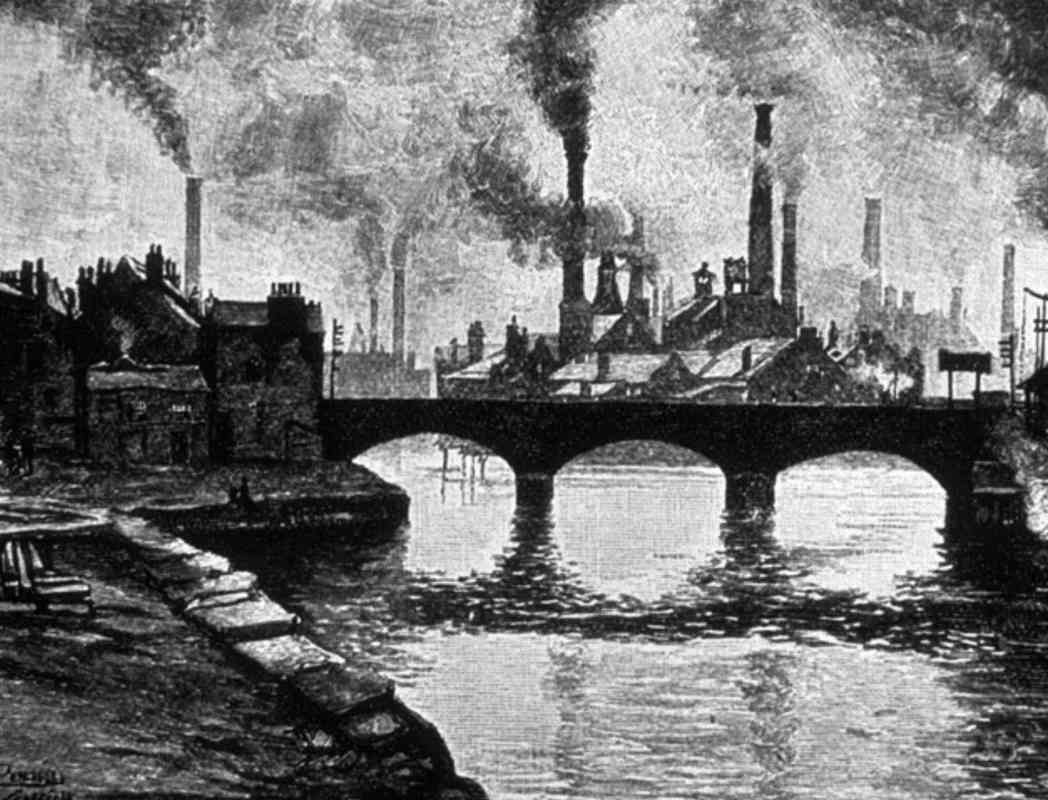
Cleaner processes, public infrastructure and regulation are different ways of changing that distribution of costs. Each requires collective decisions and resources. The history does not reduce to celebrating greater output or rejecting machinery. It asks how societies organize production, who receives the benefits, and how they respond to harms that extend beyond the person making a purchase.
Further reading: Simon Johnson: historical manufacturing estimates (FRBSF-hosted presentation).
12. Uneven growth and the next industrial era
The industrial plant photograph emphasizes scale and interconnected equipment. It should not suggest that every town moved through the same stages at the same speed. Some industries expanded while others faced intense competition, and local prosperity could coexist with unemployment elsewhere. Investment, demand, credit and transport all influenced whether a new technique became a successful enterprise.
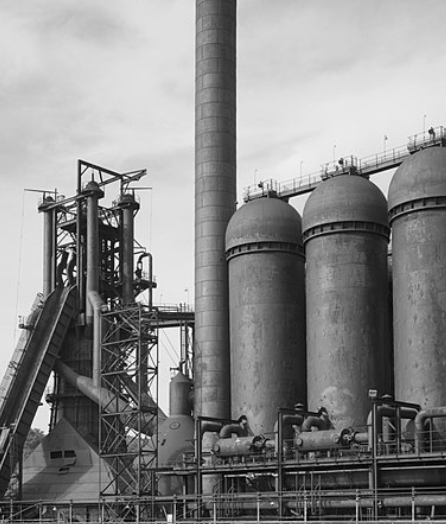
The late 1830s and early 1840s included economic distress, but a general claim that growth slowed simply because early inventions had been exhausted is too narrow. The pace of major inventions is not the same thing as the pace of productivity improvement. Existing machines can become cheaper, more reliable or more widely used through many smaller changes. Mokyr’s discussion of the transition to the second industrial era is useful for distinguishing these processes.
From the later nineteenth century, steel, industrial chemistry and electrical systems became increasingly prominent. Large-scale machine manufacture and new transport and communications systems changed the possibilities again. Mass production and the moving assembly line belong in that longer sequence, with important developments continuing into the twentieth century. The labels “first” and “second” are useful organizing devices, but their boundaries overlap.
Finally, how did this relate to science? Early industrial machinery drew heavily on craft knowledge, practical testing and the ability to build reliable parts. It would be misleading to imagine that a complete theory of heat first appeared and engineers merely applied it. Working engines helped make efficiency a problem for systematic inquiry. As scientific explanation and technical practice developed, each could influence the other.
This connects back to the Ottoman lecture. Acquiring a machine is not the same as sustaining the people, training, finance and institutions that allow it to be improved. Industrial capacity requires ongoing work. A machine that cannot be repaired, supplied or adapted is a fragile achievement, however impressive its first demonstration may be.
13. Questions and model reasoning
First, suppose spinning becomes twice as fast while weaving is unchanged. Will cloth output necessarily double? No. Yarn may accumulate ahead of the looms, and preparation or sales can impose further limits. To explain the result, identify the slow stage and ask how materials, machines and workers connect. The example uses an imagined doubling to test reasoning, not a historical measurement.
Second, why does moving condensation out of the working cylinder matter? In an early engine, the cylinder is repeatedly cooled and heated. Keeping it hot while condensing steam elsewhere reduces that waste of heat and fuel. The improvement concerns the operating cycle; it is not simply a larger engine applying more force.
Third, how can greater production coexist with difficult lives? More output does not specify who receives income, how many hours people work or what risks they face. A household may depend on wages while struggling with rent, illness or insecure employment. Compare the distribution of gains and costs rather than treating the factory’s output as a complete measure of welfare.
For a final discussion, return mentally to the canal-side factory. Name one improvement that raises output and one change that improves working life. They might be connected, but they need not be identical. Reliable machinery, safer equipment, education, shorter hours or better drainage address different parts of the system. Explain whose situation changes and what resources or decisions make that possible.
The machinery hall at the Great Exhibition of 1851 brings production systems into one view: engines, mechanisms, skilled work and large buildings. It provides a visual setting for connecting the review answers.
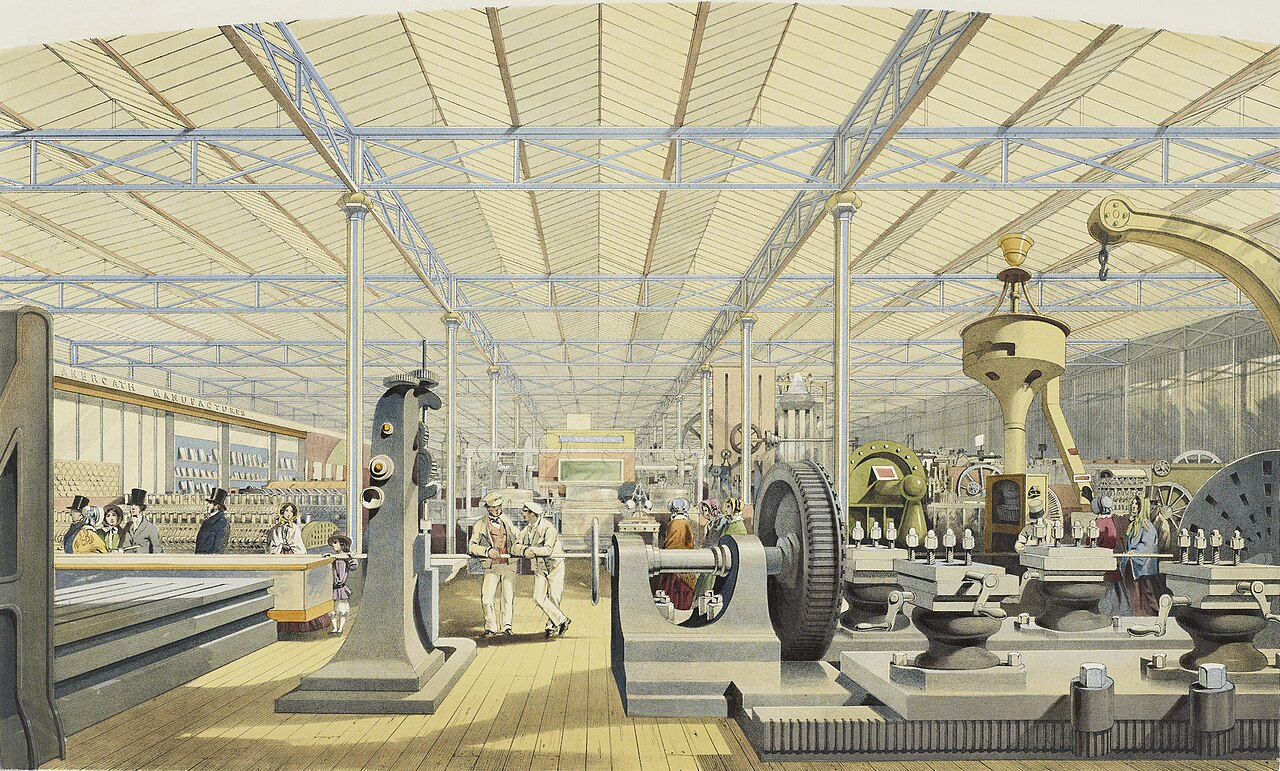
Image credits: Moving machinery at the Great Exhibition of 1851 — published 1854 — Louis Haghe; Public domain.

14. Further detail and sources
The iron series gives the following pairs for charcoal and coke production, in tons as reported: 20,500 and 400 in 1720; 24,500 and 2,500 in 1750; 14,000 and 54,000 in 1788; and 7,800 and 250,000 in 1806. The original statistical source, precise geographic coverage and definition of the ton have not been established. These figures should therefore be treated as an unverified historical series, rather than used for precise comparisons with modern data. The qualitative move toward coke-fueled production is independently documented.
Two widely repeated child-labor estimates describe more than half the workers in some early-nineteenth-century British factories as under fourteen, and more than 750,000 children under fifteen as working in the United States in 1870. Their exact populations and age definitions have not been verified here. Neither claim should be generalized across all factories or presented as a validated national total. The dated Hine photographs and the Factory Act evidence provide firmer grounds for discussing the existence, persistence and regulation of child labor.
For a connected account of technical change, consult the industrialization chapter in Science and Technology in World History. The Oxford chapter offers accessible examples and questions, while Joel Mokyr’s The Second Industrial Revolution, 1870–1914 develops the later transition and the relationship between knowledge and practical techniques. Compare sources critically: period boundaries, statistical estimates and causal explanations need not be identical.
The online sources below provide institutional histories and catalogue records for particular claims and objects. The steam diagrams explain principles in simplified form; they are not scale drawings or instructions for constructing machinery. Several workplace images lack complete catalogue identification, so their captions describe visible features without assigning an unsupported exact date.
Further reading: Science Museum: Newcomen; Science Museum: Watt’s condenser; Science Museum: condenser object; Science Museum: Arkwright spinning machine; Science Museum: spinning mule; Ironbridge: iron and industry; UK Parliament: the 1833 Factory Act; Science and Industry Museum: cotton and slavery; Library of Congress: Bibb Mill, 1909; Library of Congress: breaker boys, 1911; National Railway Museum: railway heritage; Simon Johnson: historical manufacturing estimates (FRBSF-hosted presentation).