ENG 151 · LECTURE 01 · READING BOOKLET
Knowledge and evidence
How we learn about the world, preserve what we learn, and turn knowledge into things we can use.
Read continuously or use the contents below. Select any image to view it at its full size.
1. Why begin with knowledge?
Let us begin with something we often take for granted. We use knowledge every day, usually without stopping to ask where it came from. We trust a timetable, follow an instruction, switch on a light, or accept an explanation of why something happened. Behind each of these ordinary actions lies a history of people observing, trying, recording, and passing things on.
In this course, I want us to pay attention to that history. When we encounter an invention or a scientific idea, we will ask what problem people were trying to solve and what they could know at the time. We will also ask who could participate, who benefited, and what changed for everyone else. Knowing a name and a date helps us locate an event. Understanding the event requires us to look at the people and circumstances around it.
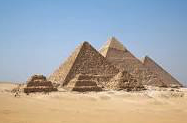
The pyramids offer a useful opening image. We can admire what survives, but the finished structure leaves many questions to investigate. How did people organize the work? How did they communicate instructions? Which skills did workers learn through experience? Questions like these connect an object with the knowledge and social organization that made it possible.
Our story will move through Mesopotamia and Egypt, India and China, the Greek and Roman worlds, and later Islamic and European societies. These histories overlap. Ideas move with people, texts, instruments, and trade, and people adapt them to local purposes. We should be careful whenever a simple timeline makes this movement look like a single, uninterrupted path.
ENG 151 is a two-credit course, with our classroom work in the Tuesday meeting from 10:30 to 12:30. We will work through twelve lectures. The midterm week has no lecture, and the final semester meeting leaves room for recap, a guest, or another course activity. Today we establish the questions we will take into the historical lectures.
2. Science and technology
When we speak of science, we mean systematic inquiry into the natural and social world. We observe, develop explanations, and compare what those explanations lead us to expect with the evidence we can obtain. A theory connects findings and helps us make predictions. Scientific knowledge also belongs to communities: people share methods, question results, and investigate problems that others have left unresolved.
Technology includes the tools, techniques, and organized systems through which people accomplish practical purposes. A stone tool is technology. So is a computer network. The materials and complexity differ, but in each case people have arranged something to do useful work. Craft skill, experience, and repeated improvement belong in this history alongside scientific explanation.
Consider electricity. We might ask how electric current behaves under particular conditions. We might instead ask how to provide dependable lighting in a building at an acceptable cost. The first question seeks an explanation. The second asks for a workable design with constraints. A person answering the design question may need scientific knowledge, but must also make choices about materials, safety, repair, and the needs of users.
The relationship runs in both directions. Scientific understanding can suggest a better instrument, while a better instrument can reveal something that scientists could not previously observe. As we study history, we will keep looking for this exchange between making things and understanding things.
3. What do we mean by progress?
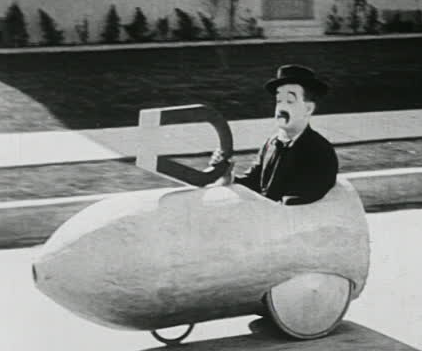
A new tool can remove one difficulty and introduce another. Faster transport changes where people can live and work. It also changes the questions a society must answer about safety, energy use, and the environment. The fact that we can build something does not settle how we should use it, or whether its benefits reach the people who need them.
This is why “quality of life” needs careful explanation. Technology can improve housing, nutrition, education, and enjoyment, but its value depends on the setting. Can people afford it? Does it work reliably? Can somebody maintain it? What consequences fall on people who do not use it themselves? A useful judgment makes these conditions visible.
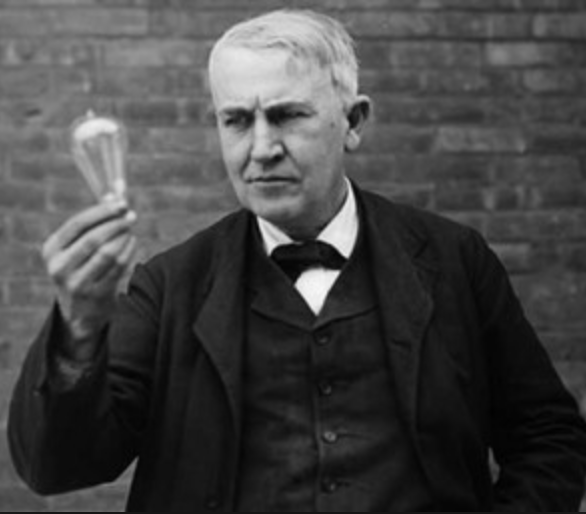
Take the electric lamp. We naturally notice the object that gives us light, and a photograph of an inventor encourages us to focus on the individual. Yet a lamp needs power, distribution, maintenance, and users who can pay for the service. Later in the course, this wider system will become central to our discussion of the industrial revolutions. For now, remember to look beyond the object in the photograph.
4. How knowledge survives
Imagine learning a craft from someone who has practiced it for many years. You watch the movement, try it yourself, and receive a correction. The teacher may recognize the right sound, feel, or temperature before finding words to explain it. Some knowledge depends on this repeated contact between people and materials.
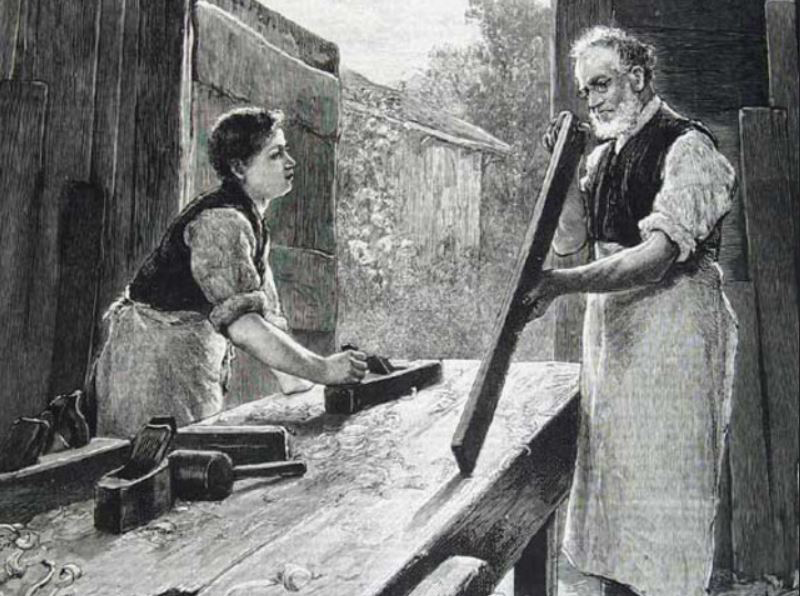
This helps us understand both the strength and the vulnerability of apprenticeship. It can transmit subtle skills that a short written instruction cannot capture. But if nobody has the opportunity to learn the practice, that knowledge may disappear. A tool can survive in a collection even when the ability to use it well has become difficult to recover.
Writing gives knowledge another way to survive. An observation or instruction can reach somebody who never met its author. Readers can return to the same wording, compare it with a later account, or ask whether new evidence supports it. A written record extends memory beyond a single lifetime.
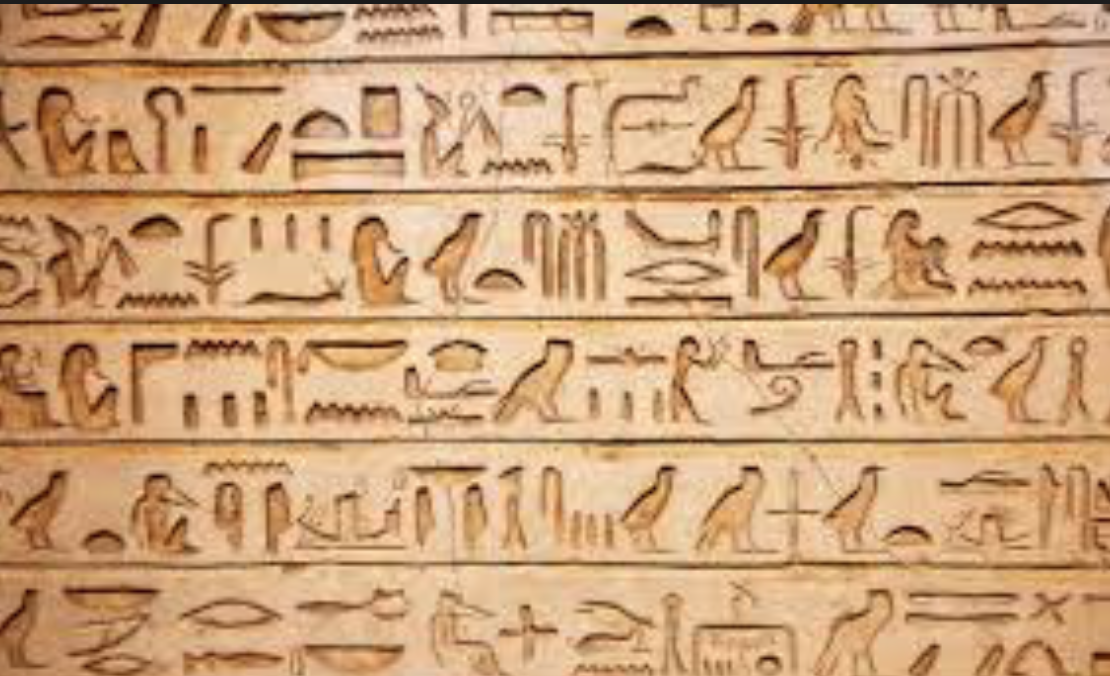
There is an important distinction here. A surviving record tells us that somebody made a claim. Its survival does not establish that the claim is accurate. We still need to ask what the author knew, how the information was obtained, and which parts are observation or interpretation. A confidently written mistake can travel just as readily as a careful explanation.
Printing increases the number of people who can encounter the same text. That gives readers a shared object to compare and criticize. It also allows an error to circulate widely. Access still depends on language and literacy, the price of books, and the institutions that distribute them.
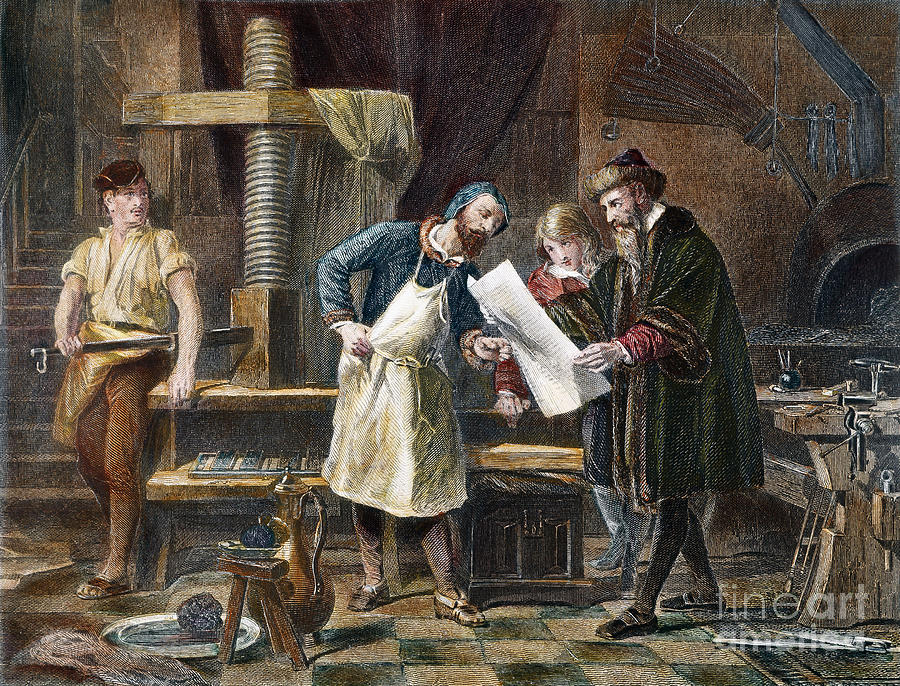
Try writing down a claim that you think is obvious. The act of writing often exposes something you have left unspecified. Does the claim apply in every situation? What counts as evidence for it? What remains uncertain? A clear record makes these questions easier for other people to examine. Written accounts and practical teaching complement each other, because each preserves aspects of experience that the other may miss.
5. Knowledge enters a shared conversation
A journal gives observations and reports a regular place to appear. Philosophical Transactions began in 1665. Its history helps us see how scientific communication developed over time. We should avoid imagining that the procedures used at its beginning were identical to modern peer review. The Royal Society’s account describes a changing publication, rather than a system that arrived fully formed. [1]
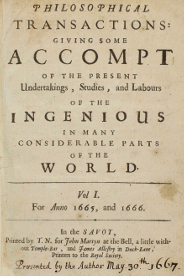
Once a report is in circulation, readers can compare it with their own experience, ask a question about it, or communicate another finding. This is one reason records matter to the development of knowledge. A claim becomes something that people separated by distance or time can return to.
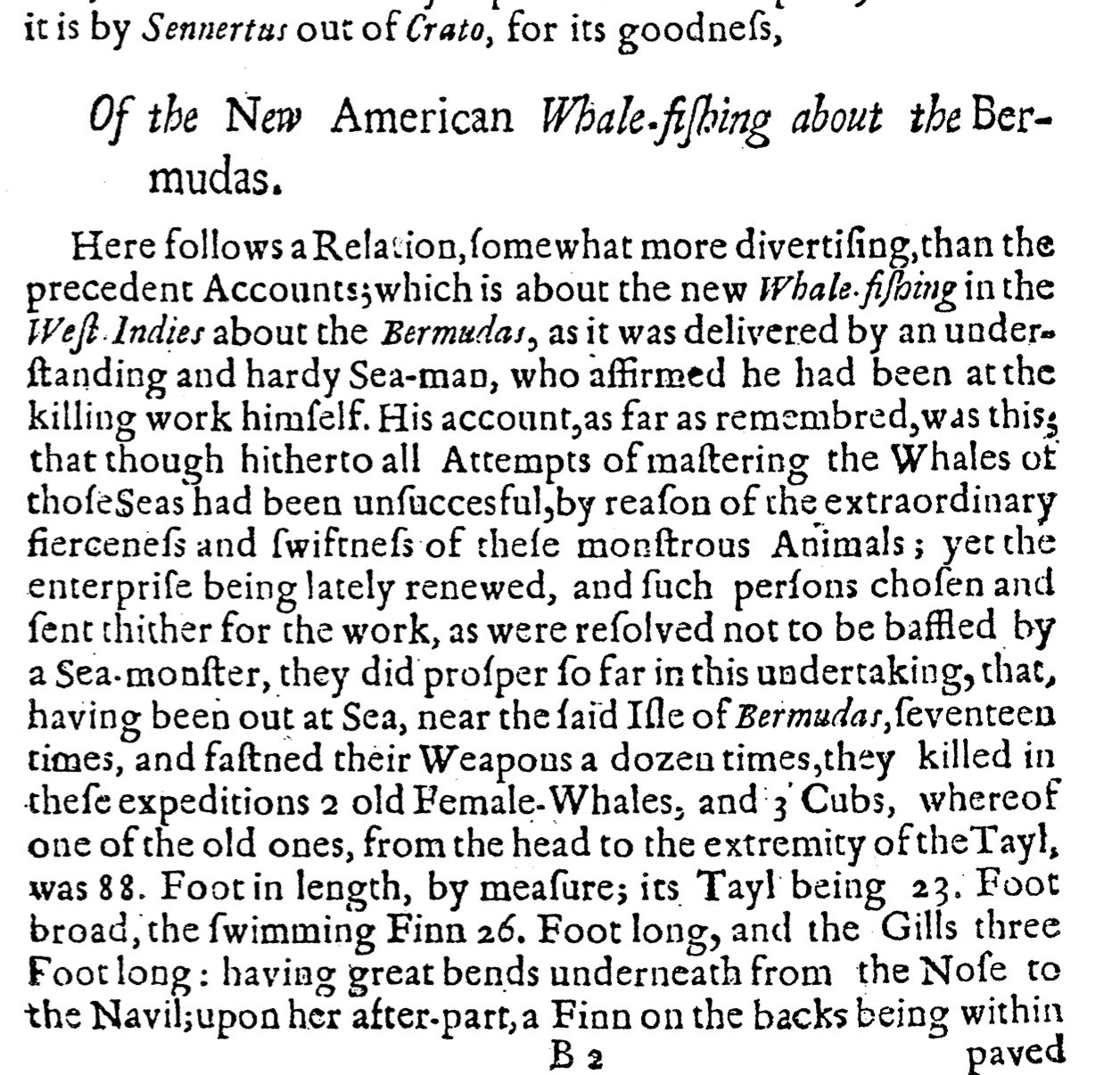
The whale-catching report is a useful example of the range of subjects that could enter learned exchange. Look at it as a document and ask how its information reached the writer. Which parts might describe direct observation? Which might repeat what somebody else reported? We cannot answer those questions from the age of the paper or the appearance of the type alone. They require reading and investigation. The article’s DOI provides a stable way to identify the report.
In the Ottoman context, Mecmûa-i Fünûn began publication in July 1862 through the Cemiyet-i İlmiye-i Osmaniye. It introduced scientific and cultural subjects to readers, including physics, geology, history, and education. Its place in our discussion reminds us that communication involves language: translating an idea also means developing a vocabulary that readers can use. [2]
A scientific idea does not become available to a community simply because it exists somewhere in print. People need ways to find it, understand it, and relate it to questions that matter to them. We will return to these connections when we study Ottoman institutions and educational change.
6. From a plausible explanation to a test
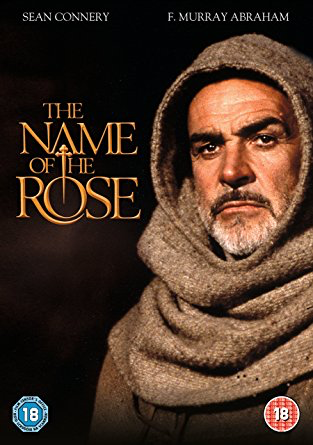
Authority can help us find expertise. We cannot personally repeat every investigation on which our knowledge depends. Still, a claim becomes stronger when we can examine the reasons behind it. Logical reasoning asks whether a conclusion follows from its premises. Evidence helps us investigate whether those premises describe the world adequately.
The fictional setting of The Name of the Rose offers a prompt for this discussion. When people confront an unfamiliar event, several interpretations may be possible. We can ask which observations support each interpretation, what assumptions it requires, and what further evidence could distinguish it from its competitors. The film serves as a discussion example, rather than a historical record of a scientific investigation.
A useful outline of inquiry begins with a question. We propose an explanation, work out a prediction, collect relevant evidence, and compare what we found with what we expected. This outline helps us identify the role of testing. Actual research is more flexible: researchers revisit questions, improve methods, and respond to criticism. Berkeley’s Understanding Science presents this continuing movement explicitly. [3]
A plant near the window
Suppose you notice that a plant near a window seems to grow faster than another plant elsewhere in the room. You suggest that the difference in light affects growth. That is a plausible hypothesis. But perhaps one plant receives more water, has different soil, or was healthier at the beginning. Your observation gives you a question to investigate.
Now turn the explanation into a prediction: comparable plants receiving different amounts of light should show a difference in growth when other important conditions remain similar. Notice that we have moved from a general impression toward a comparison we could actually organize.
Before collecting results, decide how to measure growth. Are you measuring height, leaf number, or something else? Keep the choice consistent. Use comparable plants, attend to water and soil, and consider the pots and starting conditions. Repeating the comparison matters because one pair may differ for reasons unrelated to light. This is an illustrative design, not a report of an experiment we have performed.
What happens if the expected difference does not appear? We should examine both the explanation and the method. Perhaps the hypothesis needs revision, or perhaps the comparison failed to vary light in a useful way. Skepticism means being willing to ask these questions, including questions about the explanation we initially preferred.
7. An invisible property becomes testable
Let us connect that reasoning with a historical example. In 1644, Torricelli investigated a mercury-filled tube inverted into a dish of mercury. The mercury column fell only part of the way. He connected the supported column with the pressure exerted by the surrounding air. An instrument made a property that people could not see directly available for investigation. [4]
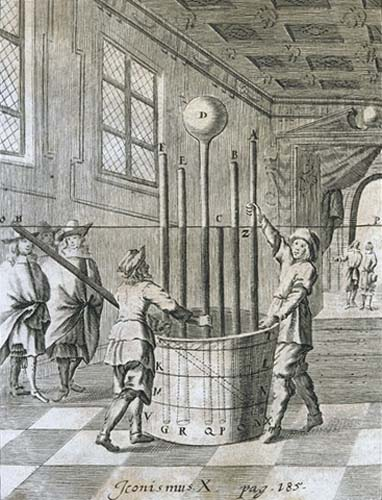
The explanation suggested a further test. If air pressure supports the column, changing the pressure should change the column’s height. Pascal proposed a comparison at different elevations, and Florin Périer carried out the mountain experiment in 1648. The column was lower at higher elevation. The observation connected the pressure explanation with a predicted consequence. [5]
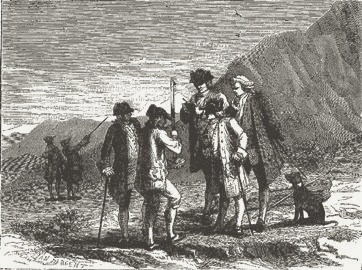
For our purposes, the important reasoning is the movement from explanation to prediction and comparison. Someone else can ask how the apparatus worked, whether the comparison was fair, and whether the interpretation follows. That makes the evidence open to examination.
New evidence and instruments can change what a scientific community accepts. Sometimes the changes are gradual. Sometimes concepts and methods undergo a major reorganization, which we discuss as a scientific revolution. We will examine the early-modern setting more carefully in Lecture 4, including Copernicus, Galileo, and Newton. Today, this short case gives us a way to recognize the role of evidence when we meet those histories.
8. Evidence about people
Many questions concern what people do and what their actions mean to them. To investigate those questions, we need evidence suited to human experience and behavior. Quantitative research examines measurements and numerical patterns. Qualitative research examines meanings, practices, and context. A study can combine both approaches.
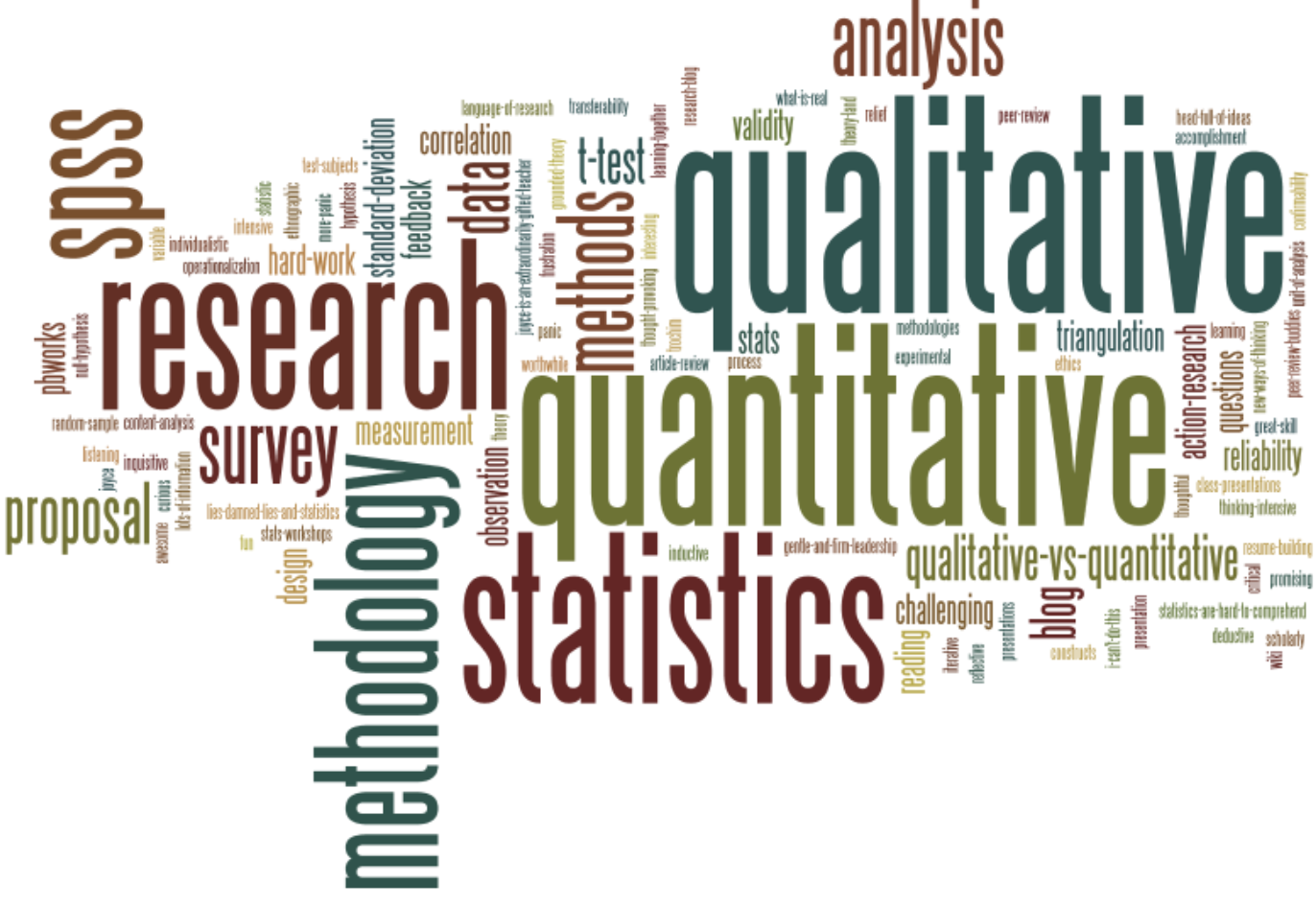
Imagine that we want to understand why students choose one route to campus rather than another. Travel-time records might reveal differences between routes or variation at different times. Interviews might reveal concerns about cost, safety, or convenience. A route that looks attractive by one numerical measure may be unattractive for reasons that measure does not capture.
Bringing the evidence together may give us a better explanation. We should still ask how the records were collected, whom the interviews represent, and whether a relationship between two measurements supports a causal claim. This is a teaching example, not a finding about GTU students.
The broader lesson is that a method should serve the question. We do not improve a study merely by adding numbers, nor by adding a few quotations. We improve it by explaining how the evidence supports the conclusion and where that support is limited.
9. Who makes inquiry possible?
A person needs time, training, resources, and somewhere to work in order to investigate a problem. Instruments have to be made and maintained. Records need to be stored and made accessible. The history of knowledge therefore includes the institutions that support it.
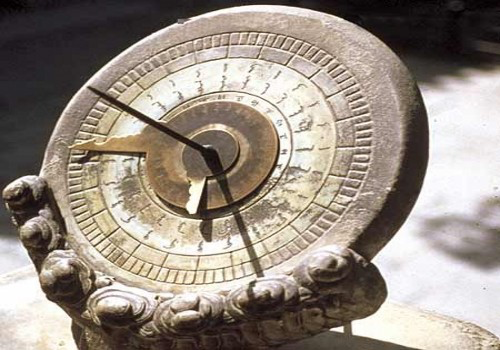
Rulers, religious institutions, armies, firms, and public bodies have supported different kinds of scientific and technical work. Their support can make an investigation possible while also influencing which questions receive attention. When we ask why a field developed in a particular place or period, we should include these conditions in the explanation.
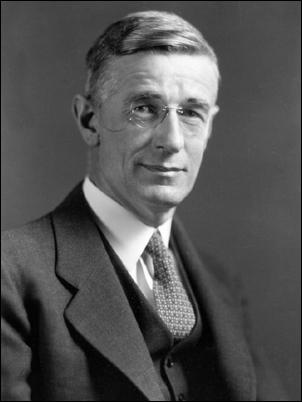
In Science, the Endless Frontier, published in 1945, Vannevar Bush argued for continued support of scientific research and connected it with public welfare and national needs. His argument brings us to a question that remains useful for discussion: how should public support be allocated when the practical value of an investigation is uncertain? [6]
One possible concern is that pressing needs deserve attention now. Another is that restricting support to immediately predictable results may leave valuable questions unexplored. Naming these concerns does not produce a single automatic answer, but it makes the choice clearer. Decisions about research involve judgments about evidence, uncertainty, and priorities.
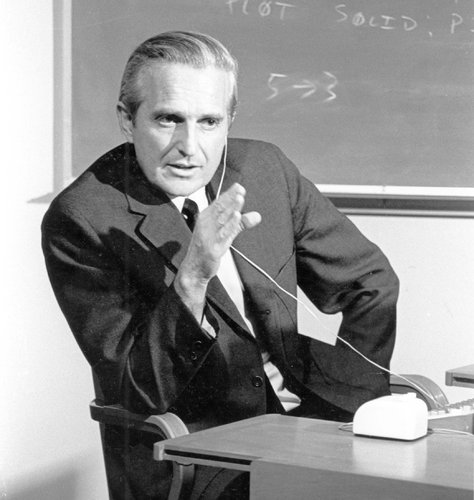
Douglas Engelbart approached collective knowledge through the way people work together. Shared records and communication tools can help a group remember earlier work, compare ideas, and coordinate its efforts. The usefulness of those tools depends on the practices around them. A group needs ways to keep records understandable and to make contributions available to others. [7]
This brings us back to writing and journals. Across very different technologies, we repeatedly encounter the problem of making one person’s work usable by someone else.
10. From a need to a working technology
A design begins with a need and some description of the result we want. We gather information, consider possible solutions, choose an approach, implement it, and evaluate what happens. Evaluation can send us back to an earlier decision. The cycle in the diagram is a useful reminder that the first solution may need revision.
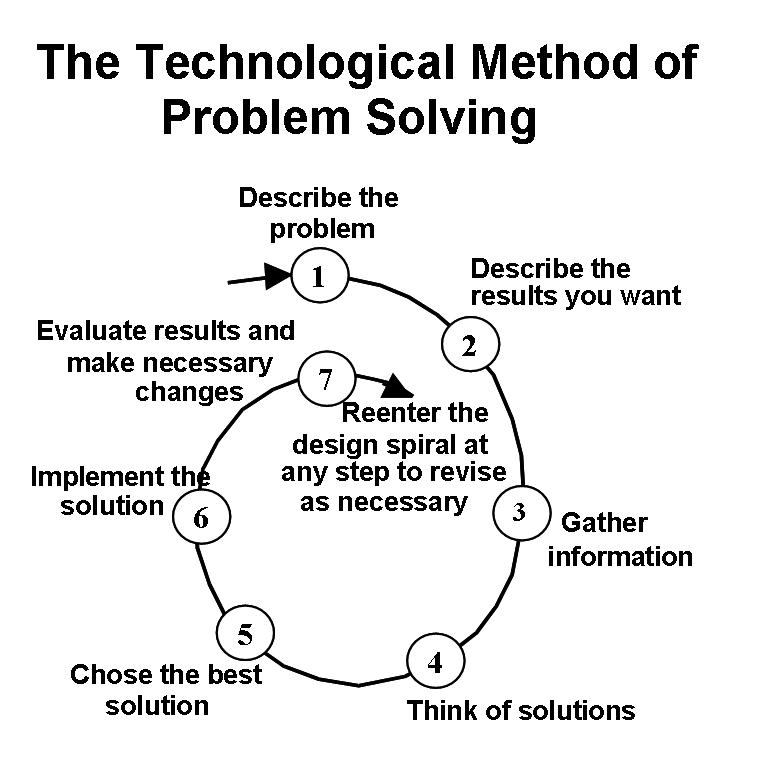
Return to the reading lamp. “Make a lamp” is an incomplete description of the problem. Who will read under it? What kind of light is useful? What cost is acceptable? A brighter lamp may create glare or require more energy. A repairable construction may affect material or assembly choices. A good evaluation makes the desired outcome and the constraints explicit.
We can also disagree about which outcome deserves priority. One user may care most about purchase price, while another may value repairability or the quality of the light. Evidence can help us compare performance, but we still have to explain whose needs our design is intended to serve.
Leadership and national priorities
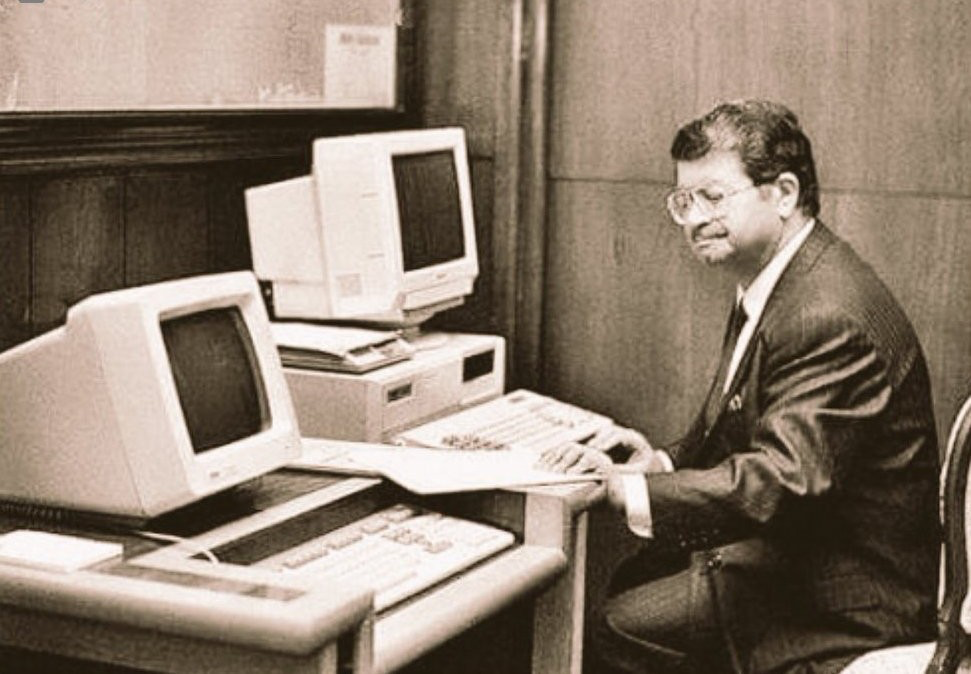
The person in this photograph is Turgut Özal, who served as Turkey’s prime minister and later president. I use his interest in science and computers to emphasize the importance of decisions made at the top. Political leaders can make scientific and technological development a national priority and help create the conditions in which it can prosper.
Think about what that support means in practice. Decisions about research funding, education, and access to equipment can give people the opportunity to learn, investigate, and build. A national ambition becomes meaningful when institutions turn it into sustained support. Scientists, teachers, engineers, and technicians then need the resources and continuity to carry the work forward.
This brings a second level of decision-making into our discussion. We have considered the choices involved in designing a useful device. We must also consider the choices through which a country develops its scientific and technical capabilities. Özal’s photograph is here to prompt that discussion about leadership, public priorities, and the conditions for science to prosper. Presidency of the Republic of Türkiye: Turgut Özal.
11. Universities, sources, and careful reading
What should a university help us become able to do? It can prepare people for professional work, create new knowledge, and help students learn to question and extend what they encounter. Personal development and interaction with society also belong in that discussion.
Consider how we might evaluate these purposes. An examination can provide evidence of some kinds of understanding. It will not necessarily tell us everything about a person’s ability to work with others, investigate an unfamiliar question, or contribute to society. The appropriate evidence depends on what we are trying to judge.
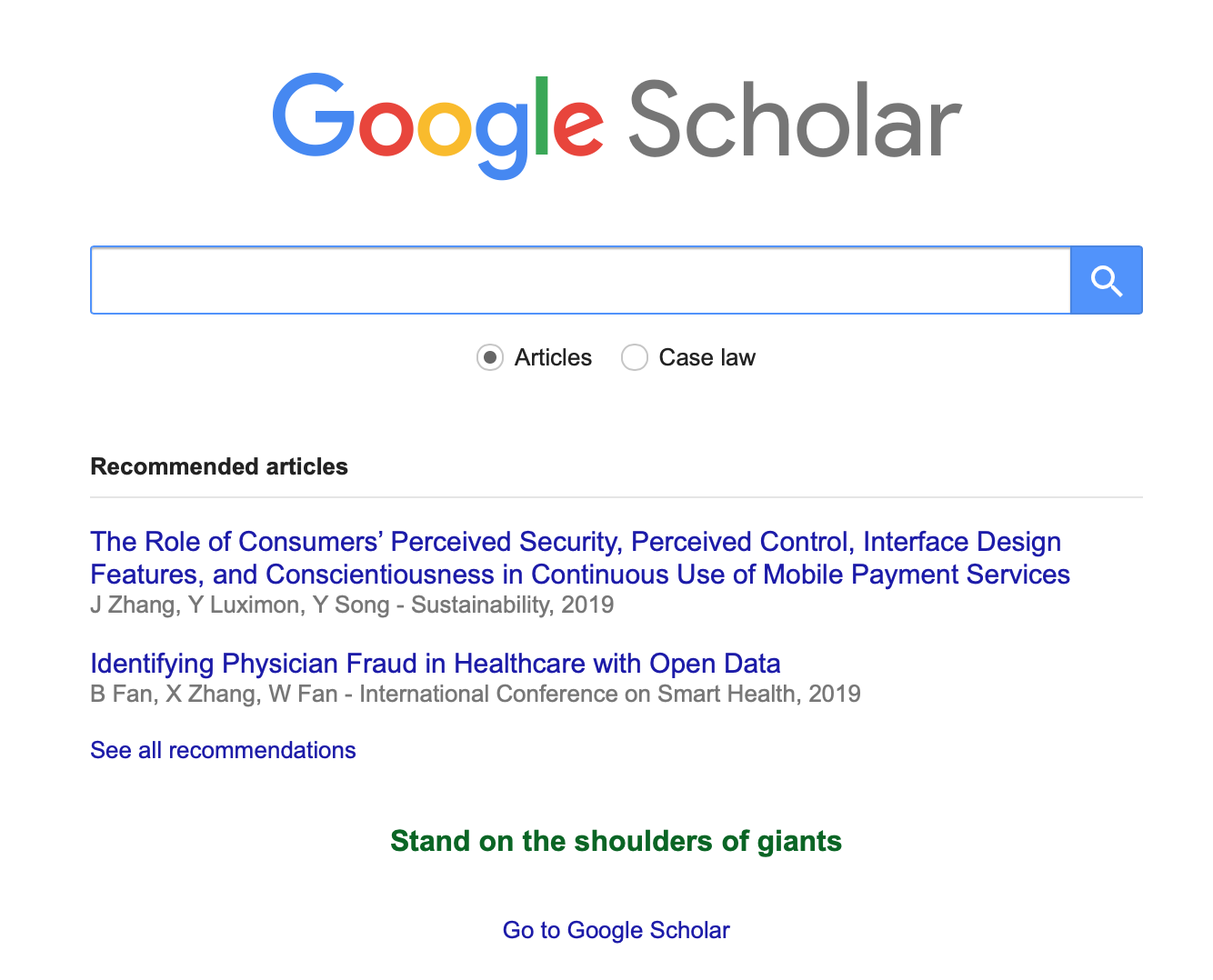
One useful university habit is learning to find a source and read it closely. Google Scholar searches across scholarly literature, including articles, books, and theses. It can help you locate material, but you still need to examine the document itself before deciding what it establishes. Begin with the author, title, year, and publication, then follow references when an earlier study or argument matters. [8]
ACM and IEEE provide additional routes into computing and engineering literature. The images below identify these organizations and services. The IEEE banner is historical, so its document count should not be read as a current total.


Once you have a source, ask what question the author addresses and what evidence supports the answer. Look for assumptions, limitations, and the distinction between an observation and an interpretation. If a claim has been repeated in several places, try to locate the document behind it. Record enough information for another reader to find what you used.
Mecmûa-i Fünûn
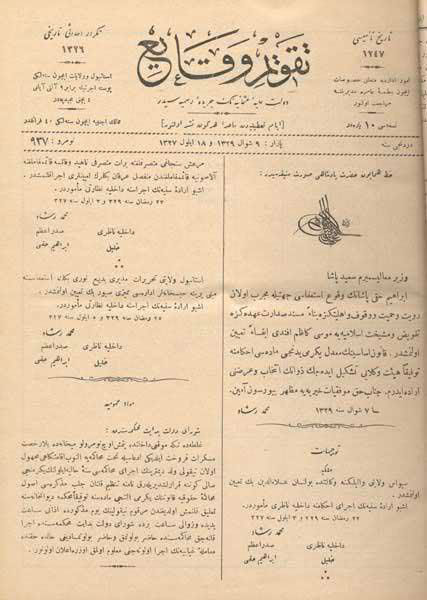
This page from Mecmûa-i Fünûn brings us back to the journal discussed earlier. Scientific communication needs publications through which readers can encounter ideas, explanations, and a shared vocabulary. The journal provides a concrete example of that work in the Ottoman context. [2]
When citing a particular page, we should also record its issue, date, and page number when those details are available. Identifying the publication and identifying a specific issue are separate steps.
12. A claim worth questioning
Let us return to a broad claim: More technology always improves quality of life.
Before agreeing or disagreeing, choose a particular technology and describe an outcome. Then ask who experiences that outcome, under what conditions, and over what period.
Electric lighting gives us one possible line of reasoning. It can extend the hours available for reading and work. The benefit depends on access, price, reliability, and how people use those additional hours. Energy production also has consequences. These considerations make the word “always” difficult to defend.
A more useful judgment specifies the technology, users, conditions, and outcome. This does not prevent us from recognizing a benefit. It helps us explain the benefit accurately and examine the costs that a broad statement might hide. Different answers can be reasonable if they make their assumptions clear and support their judgments with evidence.
Several connections now run through our lecture. Evidence lets us examine a claim. Records and institutions help that examination continue across time and distance. Technology changes what people can do, while social choices influence the purposes it serves and the effects it has. These connections will help us read the historical cases that follow.
13. Review and the route ahead
Try answering the following questions in your own words before reading the model reasoning. You do not need to reproduce a definition exactly. Aim to make the distinction clear and support it with an example.
How does a scientific question differ from a design question?
A scientific question seeks an explanation of how or why something happens. A design question seeks a workable result under stated constraints. Investigating electric current and designing a useful reading lamp illustrate the difference, while also showing how the two activities can support each other.
Why does a plausible explanation still need testing?
Several explanations may fit the same observation. The plant near the window might differ in light, water, or starting condition. A test helps us distinguish these possibilities by comparing evidence with a prediction under conditions we can explain.
How do writing and publication change the use of knowledge?
They preserve claims and make them available to people beyond the original exchange. Other readers can compare, challenge, and build on them. Records also preserve errors, which is why circulation needs to be accompanied by critical reading.
Why can a useful technology create new problems?
A new capability changes behavior, resource use, and relationships. Benefits and costs may fall on different people. Faster transport, for example, can expand access while raising questions about safety and energy. A judgment needs to account for both the useful capability and the consequences of its use.
Our next lectures follow ancient knowledge, medieval exchange, early-modern science, and Ottoman institutions. We then study steam and factories, electricity and chemistry, mass production, and organized science. Computers and networks lead us toward Industry 4.0, AI, and questions about science and society.
For Lecture 2, keep a practical question in mind: how did people measure land, record transactions, and make calendars? We will examine how such needs interacted with mathematical reasoning and explanations of nature. The questions we have developed today will help us look beyond the surviving object to the knowledge that made it useful.
Further reading: ways of thinking about knowledge
Understanding, acting, and making
Aristotle distinguished theoretical inquiry, practical reasoning, and productive activity. Theoretical inquiry seeks understanding, practical reasoning concerns action, and productive activity concerns making something. These historical categories give us another way to discuss the purposes of knowledge. Their meanings do not map exactly onto the departments of a modern university. [9]
Claims about methods
Suppose someone says that a particular software-development method improves quality. We need to know what “quality” means, what work was studied, and what comparison supports the claim. A result may depend on the team or task. Personal experience can suggest an investigation, but it cannot establish a result for every setting. The same questions apply to claims about teaching methods or organizational change.
Research perspectives
Researchers also differ in the questions they emphasize. Positivist approaches emphasize systematic observation and explanation of patterns. Interpretive approaches examine how people understand their experiences and social setting. Critical approaches examine power and question the conditions shaping social life. These brief descriptions introduce broad perspectives, each with variations. A perspective influences the framing and interpretation of a study without prescribing one fixed technique for collecting data.
Sources and further exploration
The following sources support the named historical cases and provide routes for further reading.
- Royal Society: History of Philosophical Transactions.
- Abdullah Uçman: Mecmûa-i Fünûn, TDV İslâm Ansiklopedisi.
- UC Berkeley, Understanding Science: Science flowchart.
- Museo Galileo: Torricelli’s barometric experiment.
- Museo Galileo: Pascal’s barometric experiment.
- National Science Foundation: 75 years on the endless frontier.
- Doug Engelbart Institute: About Collective IQ.
- Google Scholar: About Google Scholar.
- Christopher Shields: Aristotle, Stanford Encyclopedia of Philosophy.